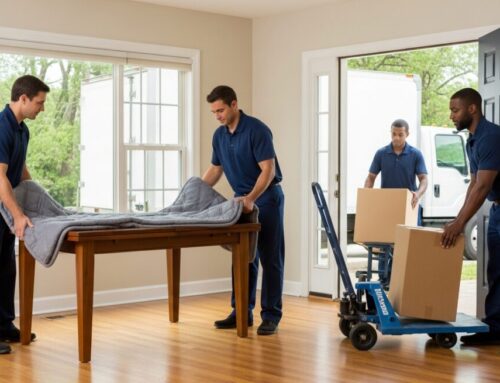
Best Interstate Moving Companies and Storage Options Guide

Planning a move across state lines often feels like solving a complex puzzle. You need to coordinate timing, protect your belongings, and manage a budget that can quickly spiral out of control. One of the most critical decisions you will make involves selecting a reliable moving partner and deciding whether to use interim storage. This guide simplifies that process by breaking down what you need to look for, how to compare costs, and how to secure the best interstate moving and storage solution for your situation.
What Defines the Best Interstate Moving Companies
Not all moving companies operate with the same level of professionalism or service. The best interstate moving companies share a few core characteristics that set them apart from budget operators. First, they maintain proper licensing and insurance. The Federal Motor Carrier Safety Administration (FMCSA) requires all interstate movers to have a USDOT number. You can verify this number online to ensure the company is legally authorized to cross state lines. Second, top-tier movers offer transparent pricing through binding estimates. A binding estimate guarantees the final price based on the weight of your shipment and the services you select. This practice eliminates surprise charges on moving day.
Third, the best companies provide robust customer support. Moving is stressful, and having a dedicated representative who answers your calls or responds to emails within 24 hours makes a significant difference. Finally, look for companies that offer comprehensive services beyond just loading a truck. The best interstate moving and storage providers also offer packing, unpacking, and climate-controlled storage options. This full-service approach allows you to consolidate your logistics with one trusted partner rather than juggling multiple vendors.
Understanding Interstate Moving Company Quotes
When you request interstate moving company quotes, you will typically receive one of three types of estimates: non-binding, binding, or binding not-to-exceed. A non-binding estimate is essentially a rough guess. The final cost can increase significantly if your items weigh more than the mover initially estimated. A binding estimate locks in the price based on the inventory list you provide. If you add items later, the price will change. A binding not-to-exceed estimate is the most consumer-friendly option. You pay the lower of either the estimated price or the actual weight-based price. This protects you if your shipment ends up being lighter than expected.
To get accurate quotes, you should prepare a detailed inventory of everything you plan to move. Include large furniture, boxes, appliances, and specialty items like pianos or artwork. Most reputable movers will conduct a virtual or in-home survey to see your belongings before providing a binding quote. Be wary of companies that give you a firm price over the phone without seeing your items. This practice often leads to lowball quotes that escalate dramatically on moving day. When comparing interstate moving rates, ask about additional fees for stairs, long carries, shuttle services, or storage. These add-ons can increase your total cost by 20 to 30 percent if not disclosed upfront.
Storage Options During an Interstate Move
Many interstate moves involve a gap between your move-out and move-in dates. You might need to vacate your current home before your new place is ready. In this scenario, storage becomes essential. There are two primary types of storage offered by moving companies: short-term and long-term. Short-term storage typically covers a few days to a few weeks. Long-term storage can extend for months. Both options usually come with a monthly fee based on the volume of your belongings.
Climate-Controlled vs. Standard Storage
The choice between climate-controlled and standard storage depends on what you are storing. Climate-controlled units maintain a consistent temperature and humidity level. They are ideal for sensitive items such as wooden furniture, electronics, musical instruments, artwork, and important documents. Extreme temperatures can warp wood, crack leather, and damage electronics. If your move crosses regions with different climates, climate-controlled storage is a wise investment. Standard storage units are cheaper and suitable for items like outdoor furniture, tools, and non-perishable household goods that can withstand temperature fluctuations.
Most full-service interstate moving companies offer storage as an add-on service. They will pick up your belongings, transport them to a secure facility, and store them until you are ready for delivery. This integrated service simplifies your logistics because you only manage one contract. When evaluating storage options, ask about access hours, security measures (such as cameras and gated access), and insurance coverage for stored items. Some movers include a basic level of storage insurance, but you may need to purchase additional coverage for high-value possessions.
How to Compare Interstate Moving Rates
Comparing interstate moving rates requires more than just looking at the bottom line. You must understand what each quote includes. A low rate might exclude packing materials, fuel surcharges, or stairs fees. A higher rate might include full packing service, furniture disassembly and reassembly, and a guaranteed delivery window. The cheapest option is rarely the best value when you factor in hidden costs and potential delays.
Here are the key factors to compare across multiple quotes:
- Weight-based vs. volume-based pricing: Most interstate movers charge by weight. Volume-based pricing is less common and can be less predictable.
- Included services: Check if packing, wrapping, and furniture protection are included or offered at an additional cost.
- Fuel and transportation fees: Some companies add a fuel surcharge or a long-distance fee that is separate from the base rate.
- Insurance coverage: Basic Released Value Protection is usually free but offers minimal coverage (60 cents per pound per item). Full Value Protection costs more but covers repair or replacement of damaged items.
- Storage fees: If you anticipate needing storage, ask for the monthly rate and any administrative fees for moving items in and out of the facility.
Request quotes from at least three companies. Provide each with the same inventory list to ensure an apples-to-apples comparison. Once you have the quotes, create a simple spreadsheet to compare line items. This exercise will reveal which company offers the most transparent and comprehensive package for your specific needs.
Red Flags to Avoid When Hiring Movers
The moving industry has a reputation for scams and bad actors, especially in the interstate segment. Knowing the warning signs can save you from financial loss and stress. One major red flag is a company that demands a large cash deposit upfront. Legitimate movers typically require payment upon delivery, not before. Another warning sign is a company that provides a quote over the phone without seeing your belongings. This often leads to a final bill that is significantly higher than the estimate.
Additionally, avoid movers that do not provide a USDOT number or refuse to do an in-home survey. You should also be cautious if a company has numerous unresolved complaints on the Better Business Bureau (BBB) website or the FMCSA’s complaint database. Check online reviews but focus on patterns rather than isolated negative comments. A few bad reviews are normal, but consistent complaints about damaged items, late deliveries, or hidden fees indicate systemic problems. Trust your instincts. If a deal seems too good to be true, it probably is. Investing time in vetting companies upfront will protect your belongings and your budget.
Preparing for Moving Day
Once you select a moving company and finalize your storage plan, preparation becomes your priority. Start by creating a detailed inventory of every box and piece of furniture. Label each box with its contents and the room it belongs to. This practice helps the movers load efficiently and makes unpacking easier. If you are using storage, clearly mark items that should go directly into storage versus those that should be delivered to your new home. Communicate these instructions clearly to the moving crew on the day of the move.
You should also prepare a separate bag or box of essentials that you will keep with you. This includes medications, important documents, chargers, a change of clothes, and basic toiletries. Your household goods may not arrive for several days or weeks if you are using storage. Having your essentials on hand will make the transition smoother. Finally, take photos of your electronics and furniture before the movers arrive. These photos serve as evidence in case you need to file a claim for damage. For additional step-by-step guidance on preparing your household, refer to our Interstate Moving Companies and Storage Options Guide for a comprehensive checklist.
Insurance and Valuation Coverage
Understanding insurance is crucial when moving interstate. Federal law requires interstate movers to offer two types of valuation coverage. The first is Released Value Protection. This coverage is provided at no additional cost, but it offers minimal protection. The mover is liable for only 60 cents per pound per item. For a 50-pound television, that equals just 30 dollars in coverage. This is clearly inadequate for most household goods. The second option is Full Value Protection. Under this plan, the mover is liable for the replacement value of any lost or damaged items. If a piece of furniture is damaged beyond repair, the mover must either repair it, replace it with a similar item, or pay you the current market value.
Full Value Protection costs more, typically 1 to 2 percent of the total estimated value of your shipment. However, it provides peace of mind, especially for high-value items like antiques, electronics, and fine art. You can also purchase third-party moving insurance for additional coverage. Check with your homeowner’s or renter’s insurance provider to see if your policy covers items in transit. Some credit cards also offer purchase protection for items bought with the card. Combining these coverages ensures you are fully protected against unexpected loss or damage.
Frequently Asked Questions
How far in advance should I book an interstate moving company?
For peak season (May through September), book at least 8 to 12 weeks in advance. For off-peak months, 4 to 6 weeks is usually sufficient. Last-minute bookings may limit your options and result in higher rates.
Can I pack my own items for an interstate move?
Yes, you can pack your own items. However, the moving company may not accept liability for damage to items they did not pack. If you choose to pack yourself, use sturdy boxes and proper packing materials. Avoid overloading boxes, as heavy boxes can break and damage contents.
What happens if my moving company is late with delivery?
Interstate movers provide a delivery window, not an exact date. If the mover misses the delivery window, you may be entitled to compensation. Check your contract for specific guarantees. Some companies offer a per-day credit if they deliver after the agreed-upon window.
Do I need to be present during loading and unloading?
Yes, it is highly recommended that you be present. You should walk through your home with the foreman before loading begins and again after unloading is complete. This allows you to note any pre-existing damage and confirm that all items have been accounted for.
Are there items that moving companies will not transport?
Yes, interstate movers cannot transport hazardous materials such as paint, propane tanks, bleach, and ammunition. They also typically refuse to move perishable food, plants, and pets. Check your mover’s prohibited items list before packing.
Choosing the right interstate moving company and storage option requires careful research and planning. Start by verifying credentials, requesting binding quotes, and understanding the fine print of your contract. Compare interstate moving rates from multiple providers and prioritize transparency over the lowest price. If you need storage, decide between climate-controlled and standard based on the sensitivity of your belongings. Protect your investment with adequate insurance coverage. By following this guide, you can navigate your interstate move with confidence and reduce the stress that often accompanies a long-distance relocation. For personalized assistance and a free quote, call us at (833) 762-3578. Our team is ready to help you plan every step of your move. For more resources on managing your relocation budget and timeline, explore our other consumer guides on moving.homes. Learn more