
A Stress-Free Packing Up a House Step by Step Moving Guide
This step-by-step moving guide provides a clear timeline and room-by-room strategy to pack your entire house efficiently, reducing moving day chaos and protecting your belongings.

By Lisa Anderson
Moving homes is often cited as one of life’s most stressful events, but it doesn’t have to be. The chaos and anxiety typically stem from a lack of a clear, actionable plan. Transforming the monumental task of packing up a house into a manageable, step-by-step process is the key to regaining control and ensuring a smooth transition to your new home. This comprehensive guide breaks down the entire packing journey into logical phases, providing you with a proven framework to tackle each room, each box, and each decision with confidence. By following a structured approach, you can minimize last-minute panic, protect your belongings, and even discover forgotten treasures along the way.
Laying the Groundwork: The Pre-Packing Phase
Success in packing up a house begins long before the first box is sealed. This critical preparation stage sets the tone for the entire move. Start by creating a dedicated moving binder or digital folder. This will be your command center for inventories, quotes, checklists, and important documents. Next, conduct a thorough inventory of your entire home. Walk through each room and make a list of everything you own. This serves two vital purposes: it helps you get accurate quotes from moving companies, and it forces you to confront the volume of your possessions, sparking the essential next step, decluttering.
Decluttering is the single most effective way to reduce moving costs, effort, and stress. Be ruthless and systematic. Use the popular three-pile method: Keep, Donate/Sell, and Discard. Ask yourself hard questions about each item. Have you used it in the last year? Does it hold genuine sentimental value, or is it just taking up space? Selling items online, hosting a garage sale, or donating to charity not only lightens your load but can also provide a small financial boost or tax deduction. Remember, you are paying to move every single item, either in dollars to movers or in sweat equity to yourself. For a deeper dive into creating a strategic plan for your entire relocation, our resource on Your Complete Guide to Moving a House offers valuable complementary strategies.
Gathering the Right Supplies and Creating a System
Attempting to pack a house with a haphazard collection of old grocery bags and random boxes is a recipe for disaster and damaged goods. Investing in proper supplies is a non-negotiable part of any serious house packing guide. Your essential packing toolkit should include a variety of sturdy cardboard boxes in different sizes, high-quality packing tape and a durable dispenser, bubble wrap, packing paper (newspaper can bleed ink), permanent markers for labeling, and a box cutter for unpacking. Specialty items like dish packs, wardrobe boxes, and mattress bags are worth their weight in gold for protecting specific belongings.
Equally important is establishing a labeling and tracking system. Every single box must be labeled with at least two key pieces of information: the room it belongs in at the new house (e.g., “KITCHEN”) and a brief description of its contents (e.g., “Pots, Pans, Baking Sheets”). For an even more efficient system, consider numbering your boxes and keeping a master list in your moving binder that details the contents of each numbered box. This turns the frustrating hunt for the coffee maker on your first morning into a simple lookup. Designate a “Load Last, Unload First” box for each family member and for essential household items. These boxes should contain critical items like toiletries, a change of clothes, medications, phone chargers, basic tools, pet food, and a kettle with coffee supplies.
The Strategic Packing Timeline and Room-by-Room Execution
A common mistake is trying to pack everything in the final week. A step-by-step moving guide advocates for a phased approach starting 6-8 weeks before moving day. Begin with areas you use least: seasonal decor, guest room items, bookshelves, and collections. About 4 weeks out, start packing non-essential kitchenware, DVDs, games, and off-season clothing. The 2-week mark is for linens, most kitchen items, and electronics. The final week is reserved for absolute essentials, following your “Load Last” box plan.
Each room requires specific packing techniques. For the kitchen, use plenty of padding for glassware and plates, packing them vertically like records. Wrap each piece of stemware individually. For the living room, take photos of electronic wire setups before disconnecting them, and use small bags with labels to keep screws and brackets from furniture disassembly organized. When packing clothing, wardrobe boxes allow you to move hanging items directly from closet to box to new closet. For other clothes, vacuum-seal bags can dramatically reduce volume. Throughout this process, consistently applying smart house packing tips, like placing heavier items at the bottom of boxes and filling empty spaces with soft items, will ensure your belongings travel safely.
Specialty Items and Fragile Goods
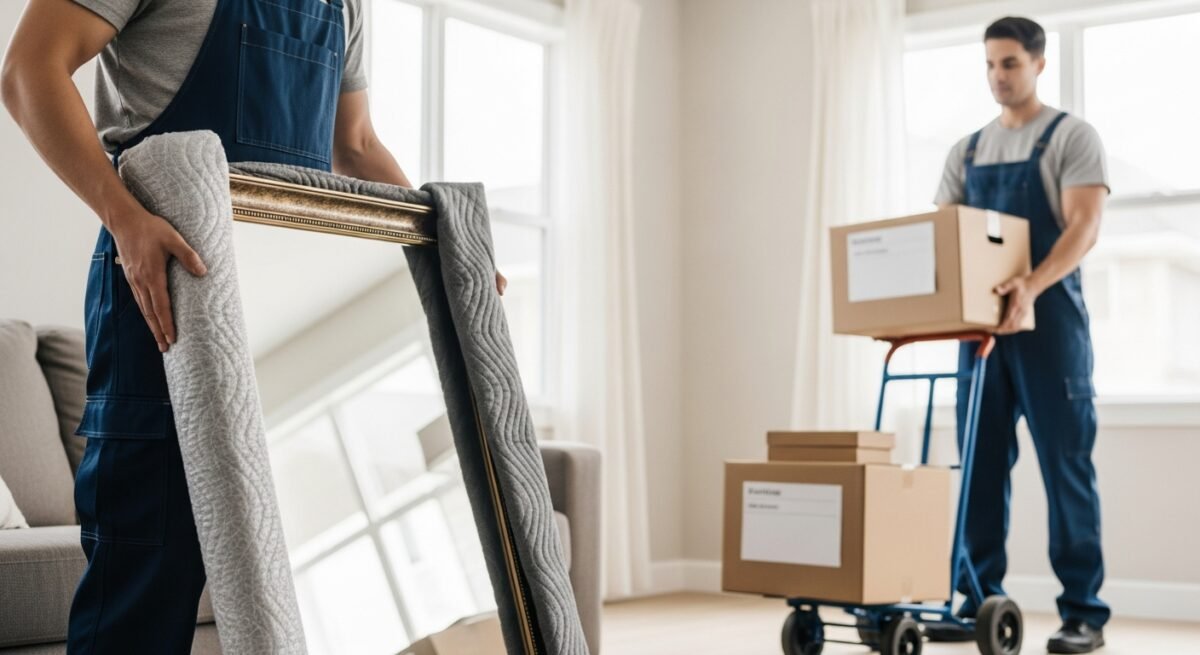
Some possessions demand extra attention. Artwork, mirrors, and televisions should be wrapped in bubble wrap, padded with cardboard corners, and placed in specialty picture boxes. Use original packaging for electronics if possible. For important documents, jewelry, and medications, create a “Personal Essentials” box that stays with you in your car, never in the moving truck. Plants require careful planning, as many moving companies will not transport them. Research how to prepare your specific plants for a move, which may involve proper watering, pruning, and secure transportation in your vehicle.
Fragile items are the heart of many moving anxieties. The golden rule is: pack tight, pack right. Cushion the bottom of boxes with crumpled paper. Wrap each fragile item individually. Use dividers for glasses and stemware. Fill any voids in the box with packing paper or soft items like towels to prevent shifting. Clearly mark these boxes with “FRAGILE” on multiple sides and ensure they are loaded on top of heavier, sturdier boxes in the truck. Taking these meticulous steps transforms the risk of breakage into a managed, controlled process.
Final Week Checklist and Moving Day
The final countdown is about execution and detail. Confirm all arrangements with your movers or rental truck company. Defrost, clean, and dry your refrigerator and freezer at least 24 hours before moving. Complete a final clean of each room as it is emptied. Prepare a folder with all necessary documents for the moving company and for settling into your new home. Have cash on hand for tips and last-minute needs. On moving day, your role shifts from packer to director. Have your inventory list and floor plan of the new home ready. Point out boxes marked “FRAGILE” and “LOAD LAST” to the movers. Do a final walkthrough of the empty old house, checking every closet, cabinet, and storage area. Once at the new home, supervise the placement of boxes according to your room labels, starting with directing the “LOAD LAST” boxes to a readily accessible area. This structured final push is how you plan a smooth home relocation from start to finish.
Frequently Asked Questions
How far in advance should I start packing my house?
For an average-sized home, begin the decluttering and pre-packing process 8 weeks before your move. Start packing non-essential items 6 weeks out, ramping up to full-time packing in the final 2-3 weeks. This staggered approach prevents burnout.
What is the most important house packing tip?
Beyond labeling, the most crucial tip is to declutter aggressively. Moving items you no longer need or love wastes time, money, and energy. Be decisive during the inventory stage to save immense effort later.
How can I pack efficiently room by room?
Complete one room at a time before moving to the next. This provides a sense of accomplishment and prevents items from getting mixed up. Keep all packing supplies for that room in one place, pack, label, and then move your supplies to the next room.
What should I do with items I’m not taking?
Schedule donation pickups or drop-offs for usable goods. List valuable items for sale online with plenty of lead time. For true junk, arrange for a junk removal service or a trip to the dump. Do not leave items for the next homeowner unless previously agreed upon.
How do I protect my furniture during the move?
Disassemble what you can (beds, tables) and keep all hardware in labeled bags taped to the furniture. Use moving blankets, pads, or even old blankets and shrink wrap to protect surfaces from scratches and dings. Lift, never drag, furniture to avoid damage to both the item and your floors.
Mastering the art of packing up a house is less about brute force and more about intelligent strategy. By embracing a phased timeline, decluttering with purpose, using the right materials, and labeling with military precision, you transform a potentially overwhelming ordeal into a series of manageable, completed tasks. This step-by-step moving guide provides the blueprint. Your focus, patience, and execution will determine the outcome. When you finally unlock the door to your new home, you will be greeted not by chaos, but by organized stacks of boxes, each one a known quantity, ready to be unpacked to build your new life on a foundation of order and calm.