How Car Moving Services Work: A Complete Vehicle Transport Guide
Relocating a vehicle across the country, or even across the state, presents a unique logistical challenge that most people face only a handful of times in their lives. Unlike packing a box, you cannot simply load your car onto a shelf. The process of using a car moving service, also known as auto transport, involves a specialized industry with its own terminology, methods, and considerations. Whether you are moving for a job, buying a car online, or transporting a classic vehicle to a show, understanding how vehicle transport works is the key to a smooth, stress-free experience. This guide will demystify the entire process, from the initial quote to the final delivery, empowering you to make informed decisions and protect your valuable asset.
The Fundamentals of Auto Transport Services
At its core, a car moving service is a logistics operation designed to transport your vehicle from point A to point B using a professional carrier. This is not a task for standard moving trucks, it requires specialized equipment and trained drivers. The industry is built on a network of brokers and carriers. Brokers act as intermediaries, connecting customers with available carriers. They handle quotes, booking, and customer service but do not own the trucks. Carriers are the licensed, insured trucking companies that physically transport the vehicle. Understanding this distinction is crucial, as your contract and point of contact may differ depending on who you book with. The goal of any reputable service is to provide a secure, timely, and transparent move for your car, truck, SUV, or motorcycle.
The process typically begins when you request a quote. Reputable companies will ask for specific details: the make, model, and year of your vehicle, its operational condition (running or non-running), the exact pickup and delivery locations, and your desired timeframe. The type of transport you choose, open or enclosed (which we will detail later), is the other primary cost factor. It is important to provide accurate information, as discrepancies can lead to price adjustments later. Once you accept a quote and book the service, the broker or carrier will schedule your vehicle into their network, matching it with a truck heading in the right direction along an efficient route.
Choosing Your Transport Method: Open vs. Enclosed
The most significant decision you will make when arranging vehicle shipping is selecting the transport method. This choice balances cost with the level of protection your vehicle receives during transit.
Open transport is the most common and economical method. Your vehicle is shipped on an open-air trailer, similar to those used by car dealerships to deliver new vehicles. These trailers typically carry 8-10 vehicles. This method is perfectly safe for the vast majority of standard vehicles and is exposed to the same road and weather conditions you would encounter while driving. It is the ideal choice for daily drivers, older models, and any cross-country move where budget is a primary concern.
Enclosed transport provides a premium level of protection. Your vehicle is placed inside a fully enclosed trailer, shielding it from road debris, weather, and dust. This method is highly recommended for high-value vehicles, classic cars, exotic sports cars, luxury models, and any vehicle where even minor cosmetic damage is unacceptable. Enclosed carriers often carry fewer vehicles and may offer more personalized service, but this comes at a higher cost, typically 30-60% more than open transport. When planning a comprehensive move that includes high-value items, knowing how to find the best car shipping company for your needs is an essential part of the overall strategy.
The Step-by-Step Process from Booking to Delivery
Knowing what to expect can alleviate much of the anxiety associated with car transport. The process follows a predictable sequence, and clear communication at each stage is vital.
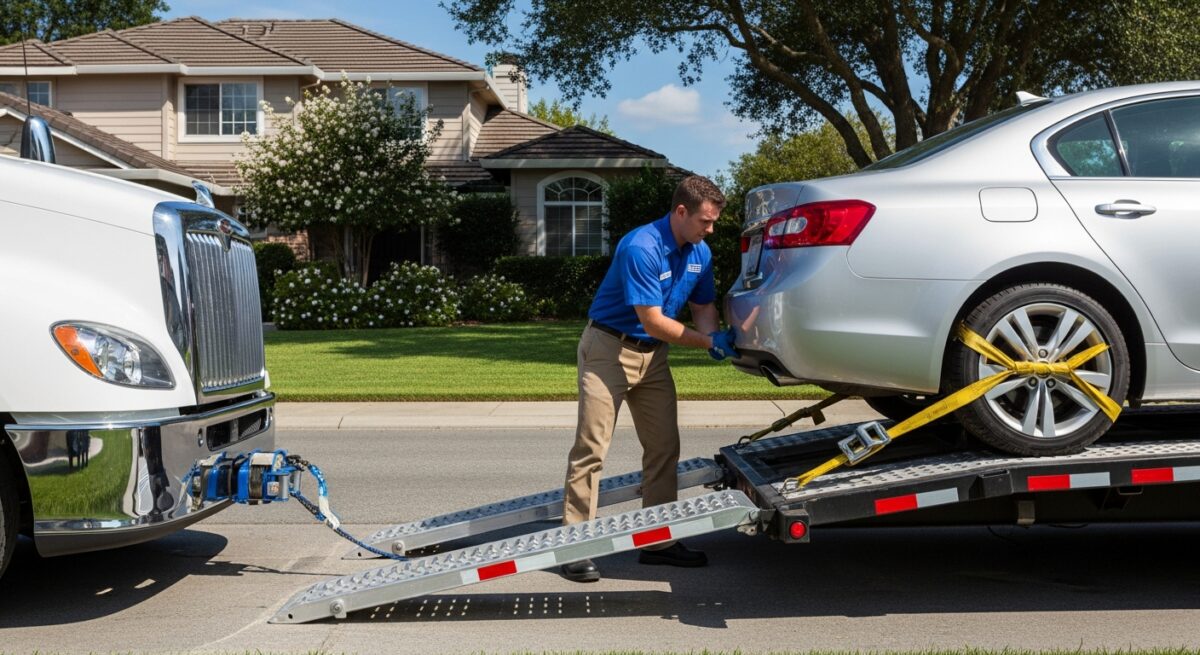
After booking, you will be given a pickup window, usually a span of 1-3 days. The carrier’s driver will contact you 24-48 hours before arrival to confirm a more specific time. On pickup day, you or a representative must be present. The driver will conduct a thorough inspection of the vehicle, noting any existing damage on a Bill of Lading (BOL). This document is a critical legal contract. You must review it carefully, ensure all scratches, dents, or imperfections are documented, and only sign it once you agree with the condition report. Take your own dated photos or video from all angles for your records. The driver will then load your vehicle onto the trailer using ramps and professional equipment.
During transit, you can usually track the progress or get updates from your broker or carrier. Transit times vary based on distance, route, and weather. A cross-country shipment may take 7-14 days. Upon delivery, the driver will contact you to arrange the drop-off. Again, you or your agent must be present. Unload the vehicle and immediately perform another inspection using the BOL from pickup. Compare the vehicle’s condition to the notes and your photos. Only sign the delivery receipt after verifying the condition. Payment in full to the driver is typically required at this time, unless other arrangements were made upfront.
Key Factors That Influence the Cost of Vehicle Shipping
The price of a car moving service is not a flat rate, it is a dynamic calculation based on several market and logistical factors. Understanding these can help you interpret quotes and potentially find savings.
Distance is the most obvious factor, but it is not strictly linear per mile. Shorter routes can sometimes be more expensive per mile due to lower efficiency for carriers. Seasonality plays a huge role. Demand spikes in summer (peak moving season) and winter (snowbirds heading south), driving prices up. Shipping from a major metropolitan area to another major hub is often cheaper than shipping to or from a remote rural location, due to higher truck availability. The type and size of your vehicle also matter. A standard sedan costs less than a large pickup truck, SUV, or non-running vehicle, which requires special equipment to load.
To navigate costs effectively, consider these tips:
- Get multiple quotes from reputable brokers and direct carriers to compare.
- Be flexible with your pickup and delivery dates, if possible, to access lower rates.
- Avoid peak seasons if your schedule allows.
- Ensure your quote is all-inclusive, understanding what is and is not covered by insurance.
- Never choose a quote based on price alone, extremely low bids can be a red flag for scams or subpar service.
Remember, the goal is value and reliability, not just the lowest number. A reputable service provides peace of mind, which is worth the investment. For those coordinating a full household move, integrating your vehicle transport timeline is crucial. You can plan a smooth home relocation by synchronizing your car’s arrival with your own and your belongings.
Preparing Your Vehicle for Transport
Proper preparation protects your vehicle and ensures a seamless handoff. A few simple steps can prevent issues upon delivery. First, give your car a good wash. A clean vehicle makes it easy for both you and the driver to document its true condition during the inspection. Check all fluid levels and ensure there are no active leaks. The tires should be properly inflated. Disable any alarm systems, or provide the driver with instructions to deactivate them. The vehicle must be in good working order to be driven onto the trailer, unless it is being moved as non-operational. Remove all personal belongings from the interior and trunk. Carriers’ insurance does not cover personal items left inside, and excess weight can be a safety issue. Leave only about a quarter tank of fuel, this reduces weight and safety risk during transport. Finally, provide the driver with a set of keys and any necessary information about the vehicle’s operation.
Insurance and Understanding Your Protections
Reputable carriers are required by federal law to carry cargo insurance. This insurance covers damage to your vehicle that occurs while it is in the carrier’s possession. It is imperative that you verify the carrier’s insurance coverage and understand its limits before booking. The coverage should be sufficient to repair or replace your vehicle in the event of a major incident. Additionally, carefully review the terms of the insurance. Most policies have a deductible, and certain types of damage, like minor scratches from road debris during open transport, may be considered “acceptable wear and tear” and not covered. This is why the initial inspection and Bill of Lading are your primary tools for filing a claim. If damage occurs, you must note it on the BOL at delivery and follow the carrier’s claims process immediately. Your own auto insurance policy may also provide some coverage during transport, so a call to your agent for clarification is a wise step.
Frequently Asked Questions
How far in advance should I book a car moving service?
It is best to book at least 2-4 weeks in advance, especially during peak seasons. This gives brokers and carriers time to optimize routing and ensures you get your preferred pickup window.
Can I ship household items in my car?
No. All professional auto transport services strictly prohibit shipping personal belongings inside the vehicle. It is a liability and insurance issue, and carriers will refuse to load a car packed with items.
What if my vehicle is not running?
Non-running vehicles can still be shipped, but you must declare this when getting a quote. It will require a winch or crane to load, which may incur an additional fee. Be sure the vehicle is in neutral, with the parking brake off, and is accessible for the loading equipment.
Who do I pay, and when is payment due?
Payment terms vary. Many reputable companies require a small deposit to book, with the balance paid in cash, cashier’s check, or certified funds to the driver upon delivery. Never wire large sums of money to an unknown entity before pickup.
What happens if the carrier is late?
Delays can happen due to weather, mechanical issues, or logistical complications. A professional company will communicate these delays to you. The Bill of Lading will have estimated dates, but they are not guaranteed delivery times. Patience and clear communication are key.
Navigating the world of car moving services requires a blend of research, preparation, and clear communication. By understanding the roles of brokers and carriers, the differences between transport methods, and the importance of the inspection process, you transform from a passive customer into an informed partner in your vehicle’s journey. The right auto transport service provides not just a physical move, but the confidence that your vehicle will arrive safely and securely, allowing you to focus on the other important aspects of your transition. With this knowledge, you are well-equipped to select a reliable provider and ensure your vehicle shipping experience is a positive one.