Packing for Moving House: Complete Checklist
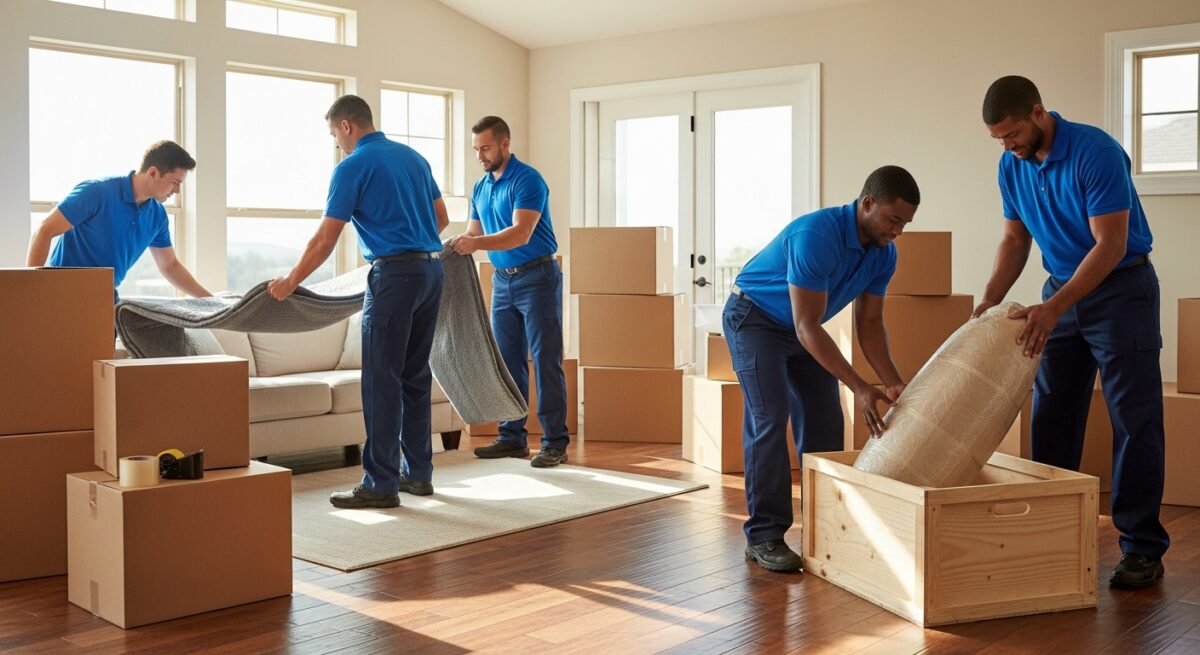
Moving house is one of life’s most stressful events, but the chaos often starts with packing. Without a clear plan, you end up stuffing random items into boxes, losing small parts, and wondering where everything went. The secret to a smooth move lies in a systematic approach. This packing for moving house complete checklist will guide you through every step, from gathering supplies to labeling the last box, so you can focus on settling into your new home instead of panicking over misplaced belongings.
Professional movers and relocation experts agree that the packing phase determines the success of your entire move. When you pack thoughtfully, you protect your valuables, save time on moving day, and reduce the risk of damage. Whether you are moving across town or across the country, this guide covers the essentials. We will also discuss when it makes sense to hire moving help packing services and how packing storage solutions can ease the transition.
Why a Packing Checklist Matters
A packing checklist is not just a list of boxes. It is a strategic tool that keeps you organized, reduces anxiety, and prevents costly mistakes. Without a checklist, you might forget to pack an essentials bag, leave fragile items unprotected, or run out of supplies mid-way. With a structured plan, you can track your progress, delegate tasks to family members, and ensure nothing is left behind.
Think of this checklist as your moving command center. It covers the timeline, materials, room-by-room strategies, and special handling for delicate items. By following it, you will avoid the common pitfalls that turn moving day into a nightmare. Plus, you will be able to coordinate with professional movers more effectively if you decide to hire them for packing or storage.
Phase 1: Gather Your Packing Supplies (2-3 Weeks Before Moving Day)
Before you pack a single item, you need the right tools. Running to the store mid-pack for tape or markers wastes precious time. Create a supply list and buy everything at once. Here are the essentials:
- Sturdy moving boxes in various sizes (small for heavy items like books, large for lightweight items like linens)
- Bubble wrap, packing paper, and foam sheets for fragile items
- Strong packing tape and a tape dispenser
- Permanent markers and colored labels
- Furniture blankets or old towels for padding
- Ziplock bags for small parts and hardware
- Box cutter or scissors
Consider investing in specialty boxes for specific needs. Wardrobe boxes with hanging rods allow you to move clothes directly from closet to closet. Dish boxes with adjustable dividers protect your dinnerware. If you are planning to use packing storage for a period, choose boxes that stack well and are moisture-resistant. Many moving companies, including Moving.Homes, offer high-quality packing supplies and can deliver them directly to your door. This saves you a trip and ensures you have professional-grade materials.
Phase 2: Create a Room-by-Room Packing Plan (2 Weeks Before Moving)
Packing an entire house in one weekend is overwhelming. Break it down by room, starting with areas you use least. This phased approach keeps your daily life functional while you pack. For example, start with the guest bedroom, storage closets, and the garage. Leave the kitchen and bathrooms for last, as you will need those items until moving day.
For each room, follow this mini-checklist:
- Declutter and donate or sell items you no longer need
- Pack out-of-season clothing and rarely used items first
- Disassemble furniture and store hardware in labeled bags
- Wrap fragile items individually with bubble wrap or paper
- Pack heavy items in small boxes and light items in large boxes
- Label each box with the room name and a brief contents list
When labeling, use a system that works for you. Some people prefer color-coded labels for each room. Others write a detailed inventory on the side of the box. Whichever method you choose, ensure the labels are visible and durable. This will save movers time and help you prioritize which boxes to unpack first. If you are using professional moving help packing, provide them with your room labels and inventory list so they can follow your system.
Phase 3: Packing the Kitchen (1 Week Before Moving)
The kitchen is the most challenging room to pack because of its mix of fragile, heavy, and oddly shaped items. Start by separating everyday essentials that you will need until moving day. Pack these in a clearly marked “Open First” box. Set aside a small set of dishes, pots, utensils, and coffee supplies for the last few days.
For the rest of the kitchen, use dish boxes with dividers and plenty of cushioning. Wrap each plate and bowl individually. Nest cups and glasses with paper between them. Pack glasses upright and cups upside down for stability. Place heavy items like cast iron pans at the bottom of boxes with padding on top. Seal boxes with strong tape and label them as “Fragile – Kitchen.” Do not overpack boxes; a heavy box can break its bottom or injure someone lifting it.
Small appliances like blenders and toasters should be packed in their original boxes if possible. If not, wrap them in bubble wrap and place them in a box with cushioning on all sides. Remove blades and clean appliances thoroughly to prevent mold during transit or storage. If you plan to use packing storage for your kitchen items, ensure everything is dry and sealed to avoid moisture damage.
Phase 4: Packing Bedrooms and Living Areas (5-7 Days Before Moving)
Bedrooms contain personal items, electronics, and clothing. Start with closets and dressers. Remove clothes from hangers and pack them in wardrobe boxes. This keeps them wrinkle-free and ready to hang in your new home. For folded clothes, use suitcases or large boxes. Shoes can go in a separate box or at the bottom of a wardrobe box.
Electronics require special care. Take photos of your cable connections before unplugging anything. Wrap each device in anti-static bubble wrap and place it in a sturdy box with cushioning on all sides. Label each cord with a piece of tape and note which device it belongs to. Store remote controls and small accessories in a ziplock bag taped to the device. If you are hiring moving help packing, let them know which electronics are most valuable so they handle them with extra care.
Living room furniture should be disassembled if possible. Remove legs from tables, take apart modular shelving, and store screws and bolts in labeled bags taped to the furniture piece. Wrap sofas and chairs in furniture blankets or shrink wrap to protect against dust and scratches. For artwork and mirrors, use mirror boxes or custom crating. Moving.Homes offers specialized handling for art and antiques, including custom crating and insurance assistance, which is ideal for high-value pieces.
Phase 5: Packing Bathrooms and Linens (3-4 Days Before Moving)
Bathrooms are small but contain many bottles and containers that can leak. Start by discarding expired medications and half-used products. Pack toiletries in a separate box lined with a garbage bag to contain spills. Wrap bottles individually and place them upright. Keep a small bag of essentials (toothbrush, toothpaste, soap, towels) for the first night in your new home.

Linens like towels, sheets, and blankets are easy to pack. They are lightweight and can be used as padding for fragile items. Stuff towels between dishes or electronics for extra cushioning. You can also use linens to fill empty spaces in boxes to prevent shifting during transit. Label linen boxes clearly so you can find bedding quickly when you arrive.
Phase 6: Packing Storage and Garage (2-3 Days Before Moving)
The garage and storage areas often contain tools, holiday decorations, and seasonal items. These items are typically less urgent but require careful packing because of their weight and shape. Sort through tools and separate those you use regularly from those that can go into storage. Drain fuel from lawnmowers and other equipment before moving.
For holiday decorations, use sturdy boxes and wrap ornaments individually. Label these boxes clearly so you can store them directly in your new garage or attic without unpacking. If you are using a packing storage facility, check whether they have climate control for sensitive items like candles or electronics. Moving.Homes offers climate-controlled storage units with all-inclusive pricing, which is ideal for items you do not need immediately.
Heavy tools like hammers and wrenches should be packed in small boxes to keep the weight manageable. Wrap sharp tools in cloth or bubble wrap and label the box as “Sharp Objects.” For power tools, remove batteries and pack them separately. Store all chemicals and paints in a separate, well-ventilated box and check local regulations for transporting hazardous materials.
Phase 7: The Essentials Bag and Final Boxes (1 Day Before Moving)
On the day before your move, pack an essentials bag that you will keep with you during the move. This bag should contain everything you need for the first 24 hours in your new home. Include:
- Toiletries and medications
- A change of clothes and pajamas
- Phone chargers and power banks
- Important documents (IDs, lease, moving contract)
- Snacks and water bottles
- Basic tools (screwdriver, tape, scissors)
- Paper plates, cups, and utensils for the first meal
This bag ensures you are not digging through dozens of boxes on your first night. Keep it in your car or with you at all times. Additionally, pack a “First Night” box for each family member’s bedroom: sheets, pillows, pajamas, and a few personal items. This makes bedtime easy after a long day of moving.
Finally, do a walkthrough of your old home. Check closets, cabinets, and the attic for any forgotten items. Seal the last few boxes and label them with their destination room. If you have hired professional moving help packing, they will handle the final loading. But even if you are moving yourself, this checklist ensures you are fully prepared.
When to Hire Moving Help Packing Services
Not everyone has the time or energy to pack an entire house. Professional packing services save you hours of labor and reduce the risk of damage. Moving.Homes offers expert packing services where trained movers handle everything from wrapping fragile items to labeling boxes. This is especially valuable for large households, people with busy schedules, or those moving long distances.
When you hire packing help, you also gain access to professional supplies and techniques. Movers use double-layered boxes, custom crating for odd-shaped items, and digital inventory tracking. They can also coordinate with storage services if you need to store items temporarily. In our guide on how to compare best packing and moving companies, we explain how to evaluate service quality and pricing to find the right fit for your move.
Packing storage is another option worth considering. If your new home is not ready on moving day, you can store your packed boxes in a secure facility until you are ready to receive them. This flexibility reduces pressure and allows you to move at your own pace. Moving.Homes provides all-inclusive storage pricing with climate control, so your belongings stay safe regardless of the season.
Final Tips for a Stress-Free Move
Packing for a move is a marathon, not a sprint. Start early, stay organized, and do not hesitate to ask for help. Use this packing for moving house complete checklist as your roadmap. Keep it visible on your phone or printed out, and check off tasks as you complete them. This gives you a sense of progress and control.
Remember that decluttering before packing saves time and money. The fewer items you move, the fewer boxes you need and the lower your moving cost. Donate, sell, or recycle items that no longer serve you. This also makes unpacking easier because you only bring what you truly need into your new home.
If you are planning a long-distance move, consider using professional movers for the heavy lifting. They have the equipment and experience to navigate stairs, elevators, and tight spaces. For international moves, check customs regulations and pack accordingly. Moving.Homes provides resources for both domestic and international relocations, including packing tips specific to cross-border moves.
Finally, protect your finances during the move. Unexpected expenses like broken items, additional moving fees, or storage costs can add up. Refinancing your vehicle or other assets before a big move can free up cash for moving expenses. It is one way to ensure you have a financial cushion for any surprises.
Moving house is a significant life event, but it does not have to be overwhelming. With a solid plan, the right supplies, and professional support when needed, you can transition smoothly. Use this checklist, stay flexible, and remember that every box you pack brings you one step closer to your new home.