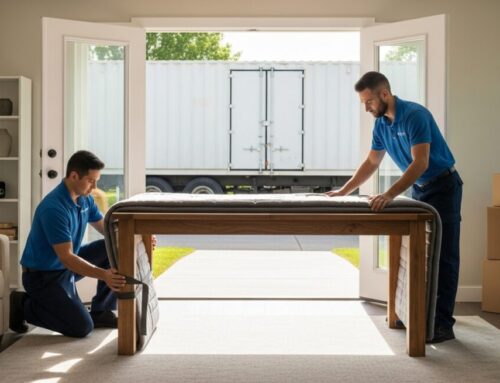
How to Compare Best Packing and Moving Companies

Choosing a moving company is one of the most stressful parts of relocation. You need a team that handles your fragile items with care, sticks to the schedule, and does not surprise you with hidden fees. But with hundreds of options advertising the best packing and moving companies, how do you separate the reliable professionals from the amateurs? The answer lies in a structured comparison process. Instead of picking the first name you find online, you need to evaluate each company against a set of standards. This guide walks you through the exact criteria to use so you can confidently hire professional movers and packers who will treat your belongings like their own.
Why Comparing Moving Companies Matters More Than You Think
The moving industry is not heavily regulated in every state. This means almost anyone can rent a truck and call themselves a mover. Without proper comparison, you risk hiring a company that lacks insurance, uses untrained laborers, or adds fees after loading your truck. Comparing the best packing and moving companies helps you avoid these risks. It also ensures you get value for your money. A professional mover may cost slightly more upfront, but they save you from damaged furniture, lost boxes, and delayed deliveries. In our guide on do moving companies pack your belongings, we explain how to verify what services are actually included in a quote. The comparison process is your best defense against a bad moving day.
Step 1: Verify Licensing and Insurance
Before you request a single quote, confirm that each company is legally allowed to operate. For interstate moves, the Federal Motor Carrier Safety Administration (FMCSA) requires movers to have a USDOT number. You can check this number on the FMCSA website to see if the company has a history of complaints or safety violations. For local moves, state regulations vary, so ask for a local license number and verify it with your state’s department of transportation. Insurance is equally critical. Reputable professional movers and packers carry two types of coverage: liability coverage for damages during the move and workers’ compensation for their employees. If a company cannot provide proof of insurance, remove them from your list immediately. A legitimate mover will have no problem sharing these documents.
What to Look for in an Insurance Policy
Not all moving insurance is created equal. Basic liability coverage often pays only 60 cents per pound per item. This means a 10-pound lamp worth 200 dollars would only get 6 dollars in compensation if broken. You want a company that offers full value protection or the option to purchase third-party insurance. When comparing companies, ask for a clear explanation of what damages are covered and how claims are processed. A company that hesitates on these questions is a red flag.
Step 2: Get In-Home or Virtual Estimates
Never accept a quote given over the phone without a visual survey of your belongings. The most accurate estimates come from an in-home walkthrough or a live video call where the mover sees your furniture, boxes, and specialty items. This process is called a binding estimate. It guarantees the final price based on the inventory you both agree on. Companies that refuse to do a visual survey often inflate the price later. When you compare the best packing and moving companies, prioritize those who insist on seeing your home. They are the ones who care about accuracy.
Step 3: Compare Services in Detail
Not all moves require the same level of service. Some people need full packing, while others only want loading and driving. The best companies offer flexible service tiers. Here are the common services you should compare:
- Full packing and unpacking: The crew packs every item, supplies boxes and materials, and unpacks at your new home.
- Partial packing: You pack non-fragile items, and the movers handle delicate or bulky pieces like electronics and antiques.
- Loading and unloading only: You pack everything yourself, and the team handles the heavy lifting and driving.
- Specialty handling: Services for pianos, artwork, pool tables, or large exercise equipment that require extra care and equipment.
- Storage options: Short-term or long-term storage if there is a gap between your move-out and move-in dates.
Each service affects the total cost. A company that offers all these options is more versatile and likely better equipped to handle unexpected needs. Compare the service lists side by side to see which company provides the most value for your specific situation.
Step 4: Read the Fine Print on Pricing
Pricing structures vary widely among moving companies. The most common models are binding estimates, non-binding estimates, and not-to-exceed estimates. A binding estimate locks in the price based on the inventory list. A non-binding estimate is just a guess, and the final price can be higher. A not-to-exceed estimate means you pay the lower of the estimate or the actual weight. This is often the safest option for customers. When you request quotes, ask each company to explain their pricing model in writing. Look for hidden fees like charges for stairs, long carries, elevator reservations, or fuel surcharges. The best packing and moving companies will list these fees upfront. If a company is vague about pricing, move on to the next candidate.
Step 5: Check Reviews and Complaints
Online reviews give you a window into real customer experiences. However, do not rely solely on Google or Yelp ratings. Check the company’s profile on the Better Business Bureau (BBB) website and the FMCSA’s complaint database. A few negative reviews are normal, but look for patterns. Frequent complaints about damaged items, late arrivals, or unprofessional behavior are warning signs. Also, read how the company responds to complaints. A company that engages respectfully and offers solutions is more trustworthy than one that ignores feedback. For additional peace of mind, ask the company for references from recent moves similar to yours. A confident mover will happily provide them.

Step 6: Evaluate Equipment and Staff Training
The quality of the moving crew matters as much as the company’s reputation. Ask about the training process for movers. Do they undergo background checks? Do they receive ongoing training on packing techniques and safety? Also, ask about the equipment they use. Professional movers should have padded blankets, furniture sliders, stretch wrap, and specialized dollies for heavy items. Companies that use inferior equipment are more likely to damage your floors, walls, and furniture. When you visit the company’s website or talk to their representative, inquire about their fleet. Well-maintained trucks with GPS tracking and air-ride suspension are signs of a company that invests in quality.
Step 7: Compare Customer Support and Communication
Moving is a dynamic process. Schedules change, weather happens, and questions arise. You need a company that communicates clearly and quickly. Test their responsiveness before you hire them. Call their customer service line and see how long it takes to reach a real person. Ask a few questions about their process and note whether the answers are clear or evasive. The best packing and moving companies offer dedicated move coordinators who stay with you from quote to delivery. They also provide 24/7 support in case of emergencies during transit. Strong communication is a sign of a company that values customer satisfaction.
Frequently Asked Questions
How far in advance should I book a moving company?
For local moves, booking two to four weeks ahead is standard. For long-distance or interstate moves, book at least six to eight weeks in advance, especially during peak season from May to September.
What is the average cost of hiring professional movers and packers?
Costs vary by distance, volume, and services. A local move of a two-bedroom apartment typically ranges from 500 to 1,500 dollars. A long-distance move can cost 2,000 to 5,000 dollars or more. Always get multiple binding estimates to compare.
Should I tip the moving crew?
Tipping is not required, but it is appreciated for good service. A common guideline is 10 to 20 percent of the total move cost, or 20 to 40 dollars per mover per day. Cash tips are preferred.
What items do movers refuse to transport?
Most movers will not transport hazardous materials, perishable food, plants, pets, or valuable documents. Check with your mover for their specific prohibited items list before packing.
Can I pack my own boxes to save money?
Yes, but the mover may not cover damages to items you packed. If you choose to pack yourself, use sturdy boxes and plenty of cushioning. The moving company may still require you to sign a waiver for self-packed boxes.
Making Your Final Decision
After you have gathered quotes, checked reviews, and verified licenses, it is time to make a choice. Do not pick solely on price. The cheapest option often cuts corners on insurance, training, or equipment. Instead, look for the company that scores highest across all the criteria: licensing, transparent pricing, comprehensive services, positive reviews, and clear communication. If you are looking for a trusted partner, consider exploring the resources at Doctors Home for additional guidance on home and relocation services. The goal is to find professional movers and packers who make your move efficient and safe. By following this comparison framework, you will be well equipped to select a company that delivers on its promises and gives you one less thing to worry about on moving day.