
Why a Free In-Home Estimate Is Essential for Your Move
A free in-home moving estimate provides accurate pricing and prevents surprise fees. It is the most reliable way to plan your budget and ensure a smooth relocation.

By Olivia Johnson
Choosing a moving company is one of the most critical decisions in the relocation process, and the method of obtaining a quote can make or break your entire experience. While phone or online estimates offer convenience, they are often riddled with assumptions that lead to inaccurate pricing, unexpected fees, and stressful moving day surprises. The most reliable, transparent, and ultimately cost-effective path begins with a moving company offering a free in-home estimate. This service is not merely a sales tactic, it is a foundational step for accurate planning, building trust, and ensuring both you and the movers are on the same page for a smooth transition. It transforms a vague guess into a concrete plan, protecting your budget and your peace of mind.
The Critical Difference Between Estimate Types
Understanding the landscape of moving quotes is the first step to avoiding costly mistakes. Movers typically provide three main types of estimates: binding, non-binding, and not-to-exceed. A binding estimate guarantees the total cost, provided the inventory and services match what was quoted. A non-binding estimate is an approximation, with the final cost calculated based on the actual weight of your shipment and services rendered on moving day, which can be higher or lower. A not-to-exceed estimate is a favorable hybrid: if the actual weight is less, you pay the lower amount, but if it’s more, you only pay the quoted maximum. The accuracy of any of these quote types hinges entirely on the information they are based upon. This is where the in-home assessment proves indispensable.
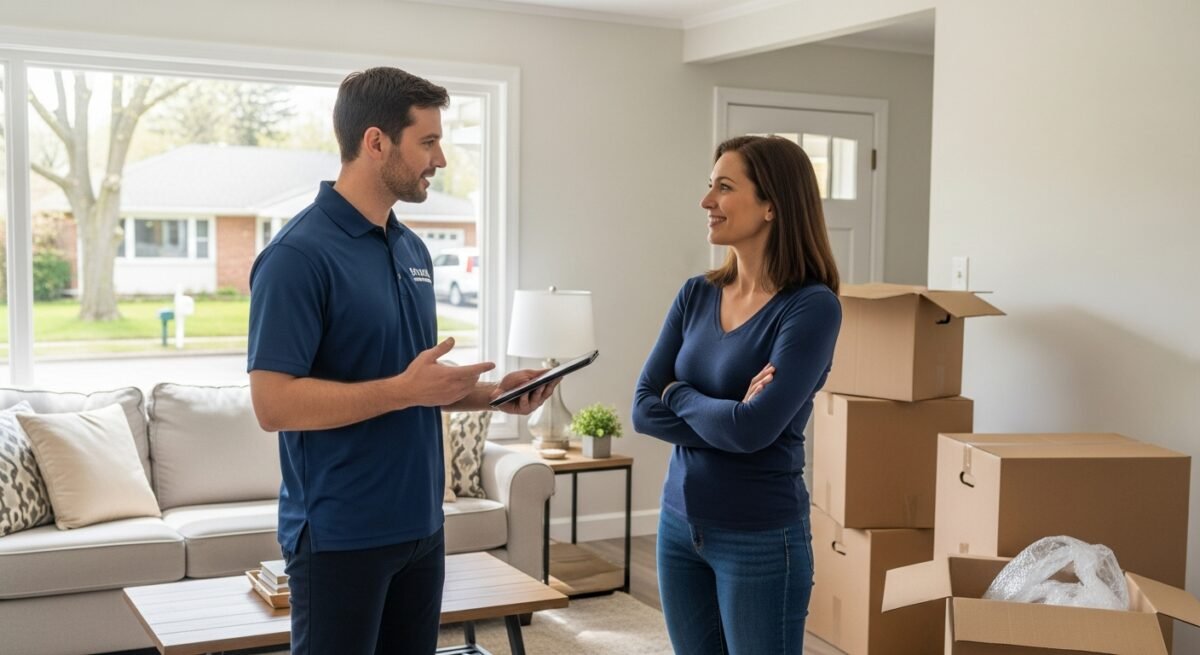
A phone or online estimate relies on your self-assessment. You might forget the heavy bookcase in the den, underestimate the volume of your garage, or not realize that a flight of stairs is involved at the new home. These oversights become expensive discrepancies on moving day. An in-home estimate, conducted by a trained professional, eliminates this guesswork. The estimator visually inventories your home, assesses furniture weight and fragility, identifies potential access challenges (like narrow hallways or steep driveways), and discusses services you may need, such as packing, appliance servicing, or special handling for pianos and artwork. This thorough evaluation is the only way to generate a binding or reliable not-to-exceed quote, shielding you from the majority of surprise charges.
The Tangible Benefits of an In-Home Walkthrough
Scheduling a free in-home estimate delivers advantages that extend far beyond just getting a number. It is a multifaceted planning session that sets the stage for a successful move. First, it forces a preliminary inventory. As the estimator walks through your home, you begin to see your belongings through the lens of logistics, which can spark early decisions about decluttering or selling items you no longer need. Second, it is an unparalleled opportunity to interview the moving company representative face-to-face. You can gauge their professionalism, ask detailed questions, and assess whether you feel comfortable granting them access to your home and possessions.
Furthermore, the estimator can provide immediate, tailored advice. They might suggest disassembling a particular bed frame for safer transport, recommend specific packing materials for your flat-screen TV, or explain the best placement for the moving truck on your street. This consultative aspect turns the estimate into a valuable planning resource. Finally, it creates a physical record. A reputable company will provide a detailed, written estimate based on the walkthrough, listing the anticipated inventory and all services included. This document becomes your key reference point and a crucial tool for comparing quotes from different companies on an apples-to-apples basis. Without this detailed breakdown, comparing a low ballpark figure from one company to a comprehensive quote from another is meaningless and dangerous.
How to Prepare for and Maximize Your In-Home Estimate
To get the most accurate and useful quote, your preparation is key. Treat the appointment with the seriousness of a job interview for your mover. Start by doing a basic pre-walkthrough yourself. Note any large, heavy, or unusually fragile items. Identify anything that will require special disassembly or handling. Clear access paths so the estimator can easily see everything, including items in attics, basements, and packed closets. Have a basic floor plan of your new home available, if possible, to discuss room placements and potential access issues at the destination.
Prepare a list of specific questions for the estimator. This is your chance to dig into the company’s practices and policies. Essential questions to ask include: Is this a binding not-to-exceed estimate? What is not included in this quote? What is your policy for delays, damages, and claims? Are there extra charges for stairs, long carries, or shuttle services if a large truck cannot access my home? How are your crews structured, and are they background-checked employees or subcontractors? The estimator’s willingness and ability to answer these questions clearly is a strong indicator of the company’s transparency and reliability. A trustworthy mover welcomes these questions, as detailed in our guide on how to read and trust moving company reviews.
During the walkthrough, be present and communicative. Point out everything. Do not assume the estimator will open every cabinet or closet. Mention that the antique dresser is solid oak and extremely heavy, or that the sleeper sofa will need to go down a narrow staircase. The more information they have, the more precise the quote will be. Finally, ensure you receive a written copy of the estimate before the estimator leaves, and review it carefully to confirm all discussed items and services are documented.
Red Flags and How to Spot a Less Reputable Mover
While a free in-home estimate is a sign of a professional operation, the practice itself does not guarantee integrity. Being aware of common red flags during the estimate process can help you avoid disreputable companies. The first major warning sign is an estimator who refuses to provide a detailed, written, on-the-spot quote. If they insist on emailing it later or only give a vague verbal range, proceed with extreme caution. A second red flag is an estimate that seems drastically lower than others you’ve received. This is often a “low-ball” tactic to secure your booking, with the intent to inflate the price later with fabricated fees or inflated weight totals.
Be wary of companies that demand a large cash deposit or full payment upfront before the move. Legitimate movers typically require payment upon delivery, not before. An estimator who is evasive about their company’s USDOT number, insurance coverage, or claims process is another serious concern. They should readily provide this information. Finally, if the moving company’s representative arrives in an unmarked vehicle, cannot clearly explain their estimate, or applies high-pressure sales tactics to get you to sign immediately, trust your instincts and end the consultation. A professional mover understands this is a significant decision and will give you time to review their proposal.
From Estimate to Moving Day: Ensuring Quote Integrity
Securing a thorough, in-home estimate is the first battle, but ensuring the price holds firm on moving day is the next. Your written estimate is your primary tool for this. On moving day, before any work begins, the foreman or driver should review the inventory sheet with you. This is known as the “bill of lading.” Compare it meticulously to the inventory on your original estimate. Do not let the crew start loading if new, unquoted items are added without a formal, signed change order that includes a revised price. Similarly, if you have removed items from the move, the price should be adjusted downward.
The loading process itself should reflect the plan. Are they using the protective materials (padding, shrink wrap) discussed? Are they handling fragile items as promised? A reputable crew works from the detailed plan created during the estimate. At the destination, the same inventory check should occur during unloading. Only after all your items are unloaded and you have had a reasonable chance to inspect for obvious damage should you sign the delivery paperwork and provide payment. Pay with a credit card if possible, as it offers greater consumer protection than cash or check. By vigilantly connecting the estimate to the execution, you hold the moving company accountable and protect the value of the in-home assessment you invested time in. For those ready to start this process with reputable providers, you can get a free moving quote to compare accurate, home-based estimates.
Frequently Asked Questions
Is a free in-home estimate really free, or are there hidden obligations?
A genuine free in-home estimate has no cost or obligation. You are not required to book with the company. It is a sales and consulting visit. Be suspicious of any company that charges a fee for this service or tries to tie it to a required deposit.
How long does an in-home estimate typically take?
For an average 2-3 bedroom home, plan for the appointment to take 30 to 60 minutes. Larger homes or those with many items will naturally take longer. A thorough estimator will not rush.
Can I get a binding estimate over the phone or online?
No. The Department of Transportation regulations for interstate moves, and most state regulations for local moves, stipulate that a binding estimate must be based on a visual survey of the household goods to be shipped. A phone or online quote cannot legally be binding because it is not based on a physical inventory.
What if my moving needs change after the estimate?
Contact the moving company immediately. If you add significant items or services, you will need a change order to adjust the price, which should be in writing. If you remove items, your final cost should be lower than the quoted maximum in a not-to-exceed scenario.
Are virtual video estimates a good alternative to in-home visits?
Video estimates can be a reasonable alternative when an in-person visit is truly impossible, such as for a very long-distance preliminary quote. They are superior to a phone call because the estimator can see your items. However, they are still not as accurate as a physical walkthrough, as scale, true weight, and access challenges can be hard to judge on video. Treat a video estimate as a preliminary step, and insist on a final, in-person survey if possible before the move is confirmed.
Investing the time to obtain free in-home estimates from two or three reputable moving companies is arguably the single most important action you can take to ensure a smooth, fairly priced relocation. It moves the process from the realm of uncertainty into one of controlled planning. The detailed quote you receive is more than a price, it is a blueprint for your move, a tool for comparison, and a contract for protection. By choosing a moving company that prioritizes this transparent, upfront assessment, you are not just hiring labor, you are partnering with professionals committed to executing a well-defined plan, ultimately turning a potentially stressful ordeal into a manageable, successful transition.