When to Rent a Storage Unit During a Home Move
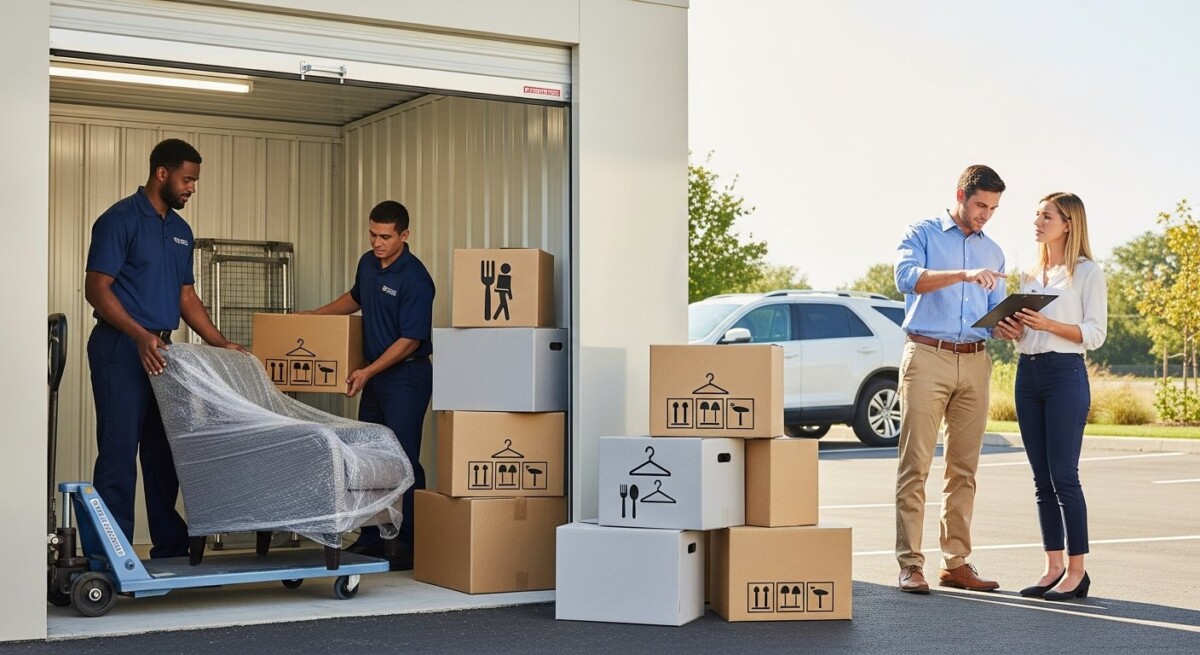
Moving day is rarely a single, clean event. Even with a flawless timeline, there is often a gap between when you need to vacate your current home and when you can fully occupy the next one. Maybe the new house needs a week of renovations before the furniture can arrive. Perhaps you are selling one property and closing on another with a delay of several days. Or you might simply have more belongings than the new space can accommodate. These gaps create stress, clutter, and logistical nightmares. Knowing exactly when to rent a storage unit during a home move can transform a chaotic transition into a smooth, organized process. The right timing protects your belongings, saves you money, and reduces the pressure of overlapping deadlines.
Understanding the Gap Between Move-Out and Move-In
The most common reason to use storage during a move is a timing gap. If you sell your current home and the buyer wants possession on a specific date, but your new home won’t be ready for a week or more, you have a physical problem. Your furniture, boxes, and appliances need a home during that interim period. A storage unit acts as a temporary bridge. Instead of rushing to move everything into an unfinished space or paying for expensive last-minute accommodations, you can place your items in a secure, climate-controlled unit. This allows you to take possession of your new home at a pace that suits the renovation or cleaning schedule. The key is to book the storage unit at least two weeks before your move-out date to ensure availability, especially during peak moving season from May through September.
When Downsizing Demands Temporary Space
Downsizing from a large family home to a smaller apartment or condo often involves difficult decisions. You may not be ready to part with certain furniture, heirlooms, or seasonal items. Renting a storage unit gives you breathing room. You can move everything out of your current home, sort through it at your leisure, and decide what to keep, sell, donate, or discard. This is far less stressful than trying to make those decisions while the movers are loading the truck. The storage unit becomes a staging area. You can take your time visiting the unit over several weekends to sort through boxes. This approach also prevents the regret of discarding something valuable in a hurry. For families moving from a house to an apartment, a storage unit can hold lawn equipment, holiday decorations, or extra furniture that simply won’t fit in the new space.
Renovations and Remodeling Projects
If you are moving into a home that requires significant work before you can live in it comfortably, storage is essential. Construction dust, paint fumes, and foot traffic from contractors can damage furniture and electronics. Renting a storage unit allows you to keep your belongings safe and clean while the work is completed. The same applies if you are renovating your current home before selling it. Staging a home for sale requires a clean, uncluttered look. Moving excess furniture and personal items into a storage unit makes your home appear larger and more inviting to potential buyers. In our guide on local mobile home movers cost and services guide, we explain how professional movers can handle the heavy lifting for these temporary relocations. The timeline for renovations can be unpredictable. Having a storage unit for a month or two provides a buffer against delays without forcing you to live in a construction zone.
Seasonal and Off-Season Moving Strategies
Moving during the summer months is expensive. Moving companies charge premium rates, and availability is limited. One strategic reason to rent a storage unit is to move your belongings out of your current home before the official move-out date. You can pack and store everything slowly during the cheaper off-season, then move into your new home when the time is right. This strategy is especially useful for long-distance moves. You can ship items to a storage unit near your new location weeks or even months in advance. This reduces the pressure of coordinating a single massive moving day. It also allows you to take advantage of lower storage rates during the winter or fall. Many storage facilities offer discounts for long-term rentals or off-peak months. By planning ahead, you can save hundreds of dollars while keeping your belongings secure.
Protecting Valuables and Sentimental Items
Not all storage units are created equal. When you need to protect family heirlooms, antiques, artwork, or important documents, climate-controlled storage is a must. Extreme temperatures and humidity can warp wood, damage electronics, and cause mold or mildew on fabrics. A climate-controlled unit maintains a consistent temperature and humidity level, preserving the condition of your most valuable possessions. This is particularly important if you are storing items for more than a few weeks. If your move involves a gap during the summer or winter, climate control is not optional. It is an investment in the longevity of your belongings. For high-value items like a grand piano or antique furniture, look for a facility that offers specialized storage options. Ask about security features such as 24-hour video surveillance, individual unit alarms, and secure access codes. Your peace of mind is worth the extra cost.
Managing a Cross-Country or International Move
Long-distance and international moves involve complex logistics. Your belongings may need to be shipped via container, which requires precise timing. If your shipping date is delayed or your new home isn’t ready upon arrival, your items could end up in a warehouse you didn’t choose. Renting a storage unit at your destination gives you control. You can have your belongings delivered to the storage unit, then arrange for final delivery to your home at a convenient time. This is also a practical solution if you are moving to a new city temporarily while you look for a permanent home. Instead of paying for expensive short-term rentals that are fully furnished, you can store your furniture and rent a smaller, cheaper apartment. Once you find the right place, you can move your belongings in. This flexibility reduces financial stress and allows you to take your time finding the perfect home.
Cost-Saving Tips for Storage Rentals
Storage costs can add up quickly if you are not careful. Before renting a unit, consider these practical steps to minimize expenses without sacrificing quality:
- Compare prices at three to five facilities in your area. Online prices often differ from in-person quotes, so visit the facility before signing a contract.
- Look for move-in specials such as the first month for $1 or 50% off the first two months. These promotions can significantly reduce your upfront costs.
- Choose a unit size that fits your needs without extra room. A 5×5 unit is roughly the size of a small closet and holds boxes and small furniture. A 10×10 unit holds a one-bedroom apartment. A 10×20 unit holds a three-bedroom house.
- Opt for month-to-month rental agreements instead of long-term contracts. This gives you flexibility if your move-in date changes.
- Pack your belongings tightly and efficiently. Use uniform box sizes to maximize vertical space. Disassemble furniture to save room.
Following these tips can reduce your total storage cost by 20% to 40%. Remember that the cheapest unit is not always the best value. Factor in security, cleanliness, and accessibility hours when making your decision.
Synchronizing Storage with Your Moving Timeline
A well-organized moving timeline integrates storage seamlessly. Start by identifying the exact date you need to vacate your current home and the earliest date you can move into your new home. If the gap is more than three days, storage is likely worth the cost. For gaps of one to two weeks, a storage unit is almost essential. Here is a simple framework to follow: Two months before moving, research storage facilities and book a unit. One month before moving, begin packing non-essential items and moving them to storage. One week before moving, move all remaining items to storage except for a suitcase of essentials. On moving day, clean your old home and hand over the keys. Over the next week or two, move items from storage to your new home as needed. This staggered approach reduces the chaos of a single moving day and gives you time to organize each room properly.
Frequently Asked Questions
How far in advance should I book a storage unit for a move?
Book your storage unit at least two to four weeks before your move-out date. During peak moving season (May to September), popular facilities fill up quickly. Booking early guarantees availability and gives you time to pack at a relaxed pace.
What size storage unit do I need for a three-bedroom house?
A three-bedroom house typically requires a 10×20 or 10×25 storage unit. This size holds the contents of a three-bedroom home including appliances, furniture, and boxes. If you are storing only overflow items, a 10×10 unit may suffice.
Is climate-controlled storage worth the extra cost?
Yes, if you are storing items sensitive to temperature or humidity. Climate control prevents damage to wood, electronics, fabrics, artwork, and documents. It is especially important for long-term storage or moves during extreme weather seasons.
Can I access my storage unit while moving items in and out?
Most facilities offer daily access during business hours. Some offer 24-hour access for an additional fee. Confirm access hours when you rent the unit to ensure they align with your moving schedule.
What should I not store in a storage unit?
Do not store perishable food, plants, flammable liquids, hazardous chemicals, or illegal items. Most facilities also prohibit storing live animals or items that attract pests. Check your rental agreement for a complete list of prohibited items.
Knowing when to rent a storage unit during a home move is about more than convenience. It is a strategic decision that protects your belongings, reduces stress, and saves money. Whether you are dealing with a timing gap, downsizing, renovating, or managing a complex relocation, a storage unit provides the flexibility you need to move on your own terms. Plan ahead, choose the right facility, and use the unit as a staging area for a smoother transition. For personalized guidance and a free quote on moving and storage services, call (833) 762-3578. A professional team can help you determine the best storage solution for your unique moving timeline. Learn more