Local Mobile Home Movers Cost and Services Guide
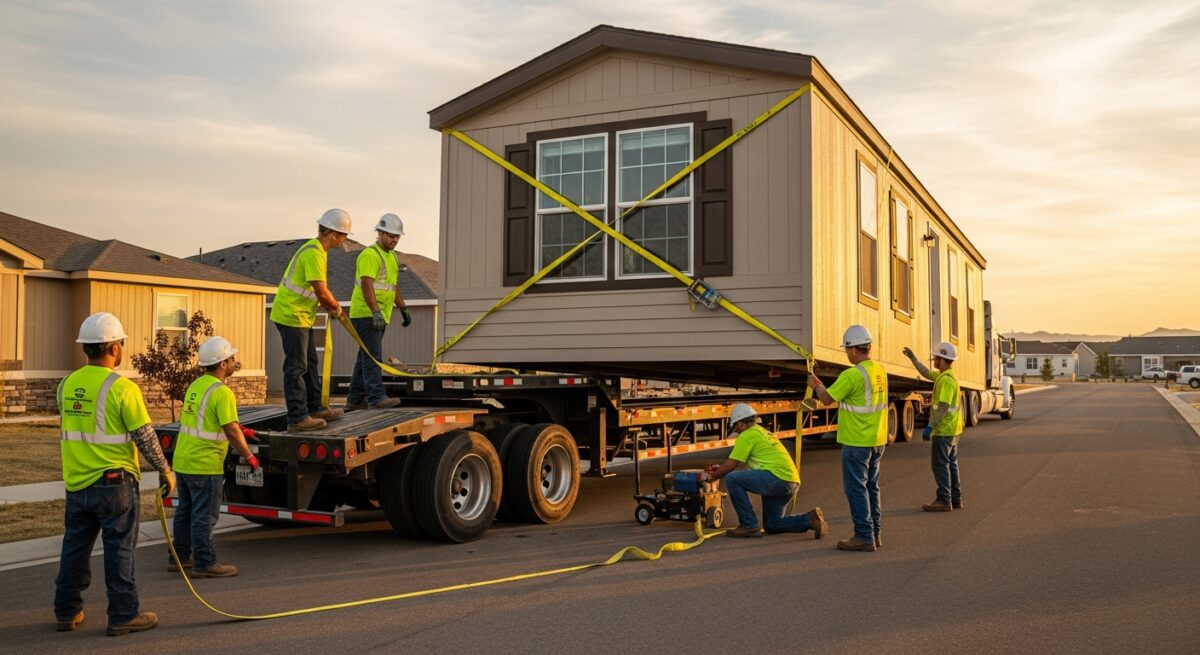
Moving a mobile home is a unique logistical challenge that requires specialized expertise far beyond a standard residential move. Whether you’re relocating your manufactured home across town or preparing it for a new foundation site, understanding the costs and services involved is critical for a smooth, budget-conscious transition. This guide demystifies the process, providing a clear breakdown of what to expect when hiring local mobile home movers, the factors that influence pricing, and how to select the right professionals for your specific needs. By planning with accurate information, you can avoid costly surprises and ensure your home is transported safely and efficiently.
Understanding Mobile Home Moving Services
Local mobile home movers offer a suite of specialized services tailored to the unique structure and regulations governing manufactured housing. Unlike moving furniture from a stick-built home, this process involves preparing, transporting, and setting up an entire dwelling. The core service is the physical transportation of the home from one location to another, but this is just one part of a comprehensive job. Reputable movers handle the entire project, which includes obtaining necessary permits from local and state authorities, a step that is non-negotiable and varies by jurisdiction. They also manage the disconnection and reconnection of utilities at both the source and destination sites, coordinating with providers for water, sewer, electricity, and gas.
Another critical service is the preparation of the home for transport. This involves a thorough inspection to identify any vulnerabilities, securing loose siding or roofing, and sometimes even partially dismantling elements like porches, decks, or awnings that cannot be moved intact. The setup process at the new location is equally important. This includes leveling the home on its new foundation (whether it’s a permanent basement, crawl space, or piers), reattaching any detached components, and performing a final inspection to ensure everything is secure and ready for occupancy. When evaluating local mobile home movers, it’s essential to confirm they provide this full spectrum of work, as attempting to manage pieces of it yourself can lead to delays, damage, and liability issues.
Key Factors That Determine Moving Costs
The cost to move a mobile home locally is not a flat fee, it’s a variable estimate built on several specific factors. Understanding these will help you interpret quotes accurately and identify potential areas for cost savings. The primary driver is the size and dimensions of your home. Movers charge based on the home’s width and length, as this determines the equipment needed (like the size of the trailer) and the complexity of the route. A single-wide home is significantly less expensive to move than a double-wide, which often requires the two halves to be separated, transported individually, and then rejoined at the destination, a labor-intensive process.
Distance is the next major factor. While this is a local move, the mileage between the current location and the new site directly impacts fuel, labor time, and wear on equipment. The condition of both the home and the routes is also crucial. A home in poor repair may require extensive bracing and reinforcement before it can be moved safely, adding to preparation costs. The terrain and road accessibility are equally important. Movers must assess if the routes have low bridges, tight turns, weight-restricted roads, or overhead obstructions like power lines. If special equipment, such as a crane for tricky placement, or police escorts for wide loads are required, these will be added to the total bill. For a detailed financial breakdown of these variables, our resource on mobile home moving costs provides deeper analysis and sample estimates.
To summarize, the main cost factors include:
- Home Size and Type: Single-wide vs. double-wide/manufactured home dimensions.
- Move Distance: Total mileage within the local area.
- Home Condition: Need for structural reinforcement or repairs prior to moving.
- Route and Site Accessibility: Terrain, road restrictions, and overhead clearance.
- Permits and Escorts: Government-required permits and potential need for pilot cars.
- Setup Requirements: Complexity of the new foundation and utility hookups.
Breaking Down the Cost Estimates
While every move is unique, providing general cost ranges helps set realistic budget expectations. For a local move of a single-wide mobile home, you can typically expect costs to start in the range of $2,000 to $5,000. This generally covers the basic transport, standard permits, and setup on a prepared site. For a double-wide home, due to the need to split and reassemble the structure, local move costs often range from $5,000 to $12,000 or more. It is vital to understand what these estimates include. A reputable company will provide a detailed, line-item quote that separates labor, equipment, permits, and any ancillary services.
Be wary of quotes that seem unusually low, as they may exclude critical items. Common additional fees to inquire about include: permit fees (which the mover usually obtains but passes the cost to you), utility disconnect/reconnect fees (paid to the utility companies), and costs for a new foundation or skirting if your new site is not already prepared. The single most important step in financial planning is to get multiple detailed, written estimates. This allows you to compare not just the bottom line, but the scope of work each mover includes. When you’re ready to start this comparison, you can get a free moving quote from our network of vetted professionals to begin your planning with concrete numbers.
How to Choose the Right Mobile Home Mover
Selecting the right professional is the most important decision you will make in this process. The stakes are high, as an error can lead to severe structural damage to your home. Start by verifying licensing and insurance. Mobile home movers must have specific licensing that varies by state, often through the Department of Housing or Transportation. They must also carry specialized insurance, including transit insurance and liability coverage, that is adequate for the value of your home. Always ask for proof of both and verify their validity.
Experience is paramount. Look for companies that have been in business for several years and specialize in mobile home moving, not general freight or residential moving. Ask for references from recent local jobs and, if possible, visit a completed job site to see their work firsthand. When reviewing estimates, ensure they are thorough and in writing. A professional mover will insist on a physical inspection of the home and both sites before providing a firm quote. Be cautious of anyone who gives a firm price over the phone without seeing the job. Finally, review the contract meticulously before signing. It should detail every service, all associated costs, the payment schedule, insurance coverage, and the projected timeline. A clear contract protects both you and the mover.
Preparing for Moving Day
Your preparation is key to a smooth moving day. Well before the movers arrive, you must completely empty the home of all personal belongings, furniture, and appliances. The structure must be entirely vacant to reduce weight and prevent interior damage during transport. Secure all loose items outside the home, such as porch swings, steps, or shutters. You are also responsible for preparing the new site. This means ensuring the foundation (piers, blocks, or basement) is correctly installed and ready, the land is level and accessible, and all utilities are stubbed and ready for connection. Failure to have the site ready can result in costly delays and storage fees if the mover arrives with your home and cannot place it.
Coordinate closely with your chosen local mobile home movers on a timeline. They will guide you on when to schedule utility disconnections (typically for the morning of the move) and will handle the permitting process. On moving day, ensure there is clear access at both locations. Move vehicles, trim tree branches, and remove any obstacles from the path. Having a point of contact present to answer any last-minute questions can help the process move forward without a hitch. Once the home is set on its new foundation, the mover will complete the final steps like reattaching sections, securing the home to the foundation, and performing a basic level check before you take possession.
Frequently Asked Questions
Can I move my mobile home myself?
It is strongly discouraged. Moving a mobile home requires specialized heavy equipment (like large trucks and trailers), knowledge of securing the structure, and expertise in handling permits and route planning. DIY attempts often result in severe damage to the home, property, and pose significant safety risks.
How long does a local mobile home move take?
The timeline varies. The physical move itself for a local move can often be completed in one day. However, the entire process, including obtaining permits, site preparation, the move, and final setup, typically spans several days to a few weeks.
Does homeowner’s insurance cover the move?
Standard homeowner’s insurance policies usually do not cover damage during a move. You must rely on the mover’s transit insurance. Verify the coverage limits and details with your moving company and your own insurer before the move.
What if my home is too wide for the roads?
Experienced mobile home movers plan routes in advance to avoid such issues. If necessary, they will obtain “wide load” permits and arrange for police escorts or pilot cars. In extreme cases, they may need to temporarily remove obstacles or choose an alternative route.
Are there items the mover won’t transport?
Yes. As mentioned, the home must be completely empty. Movers transport only the structure itself. All personal possessions, furniture, and appliances must be moved separately, either by you or a separate household goods moving company.
Navigating the process of moving a mobile home locally requires careful planning, a realistic budget, and the selection of a highly specialized professional. By understanding the services offered, the factors that shape costs, and the steps for thorough preparation, you can transform a potentially daunting project into a manageable, successful relocation. The investment in hiring qualified local mobile home movers pays for itself in the safety of your home and the peace of mind that comes with a job done right. Use this guide as your roadmap to ask the right questions, compare estimates intelligently, and ensure your manufactured home arrives at its new location ready for many more years of comfortable living.