What Professional Movers Include in Their Service Packages

Moving day often brings a mix of anticipation and anxiety. You have packed your life into boxes, coordinated time off from work, and arranged for utilities to be transferred. Yet one question lingers: what exactly will the moving crew do once they arrive? Understanding what professional movers include in their service packages is the first step toward a stress-free relocation. A standard package from a reputable company like Moving.Homes goes far beyond simply loading a truck. It provides a structured system designed to protect your belongings, save you time, and eliminate surprises.
Many homeowners assume that hiring movers means they only handle the heavy lifting. In reality, professional moving packages are built around a comprehensive service model. They start with a detailed in-home or virtual survey to assess the volume of items, the number of stairs, and any special requirements such as disassembling a pool table or moving a grand piano. This assessment leads to a binding or guaranteed price quote, which is a cornerstone of a trustworthy service. When you understand the full scope of what is included, you can budget accurately and avoid the stress of last-minute fees.
This article breaks down the core components of a typical professional moving package. We will explore everything from pre-move planning and packing materials to loading techniques, transportation, and unpacking options. By the end, you will know exactly what to expect from your moving crew and how to choose a package that fits your specific needs.
The Pre-Move Assessment and Binding Estimate
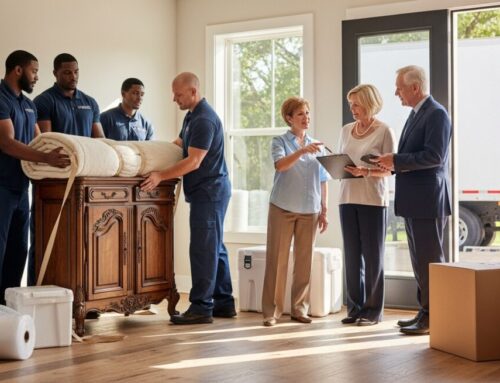
The foundation of any professional moving package is the pre-move assessment. A moving coordinator or estimator visits your home (or conducts a virtual walkthrough) to inventory every room. They note the size and type of furniture, the number of boxes you plan to use, and any specialty items like artwork, antiques, or exercise equipment. This step is critical because it determines the size of the moving truck, the number of movers needed, and the total time required.
Once the assessment is complete, the moving company provides a written estimate. There are two main types: non-binding and binding. A binding estimate guarantees the total cost based on the inventory you provided, even if the actual weight or volume is slightly higher. This protects you from unexpected price hikes on moving day. Professional movers include this guarantee in their service packages to build trust. In our guide on finding cheap professional movers without sacrificing quality, we explain how to verify that a quote is truly binding and what questions to ask before signing.
The estimate also includes a list of included services, such as furniture disassembly and reassembly, use of moving blankets, and basic packing supplies. Always review this list carefully. If you see a line item for “fuel surcharge” or “long carry fee,” ask the company to explain it upfront. A transparent moving package will have few to no surprise fees.
Packing Materials and Supplies
One of the most valuable inclusions in a professional moving package is the provision of high-quality packing materials. Movers bring sturdy, double-layered cardboard boxes in various sizes, along with specialty boxes for dishes, wardrobe items, and mirrors. They also supply bubble wrap, packing paper, stretch wrap, and tape. These materials are designed to protect your belongings during transit and are often superior to the boxes you might collect from grocery stores.
Many packages include a “packing kit” that offers a set number of boxes based on your home’s size. For example, a two-bedroom apartment might receive a kit with 20 small boxes, 15 medium boxes, 10 large boxes, and several specialty boxes. If you choose full-service packing, the movers will bring all the materials needed for every room. This saves you the hassle of sourcing boxes and the cost of buying them individually.
Here are the typical packing supplies included in a standard package:
- Assorted cardboard boxes (small, medium, large, and extra-large)
- Wardrobe boxes with hanging rods for clothing
- Dish saver boxes with dividers for glassware and dishes
- Mirror and picture boxes for flat items
- Bubble wrap, packing paper, and foam peanuts
- Stretch wrap and tape with dispensers
- Furniture blankets and corner protectors
- Markers and labels for box identification
Having these materials on hand not only protects your items but also streamlines the loading process. When boxes are uniform in size and properly sealed, they stack more securely in the truck. This reduces the risk of shifting during transport and potential damage. If you are packing yourself, the moving company will often drop off the supplies a few days before the move, allowing you to pack at your own pace.
Loading, Transportation, and Unloading
The core of any moving package is the physical labor of loading your belongings onto the truck and unloading them at your new home. Professional movers are trained in proper lifting techniques and the safe handling of heavy furniture. They use moving straps, dollies, and furniture sliders to navigate narrow hallways and staircases without damaging walls or floors. Most packages also include floor and wall protection, such as ramps and corner guards, to shield your home from scratches and dents.
Transportation itself is a significant component. The moving company provides a well-maintained truck with air-ride suspension, which minimizes vibration and jostling during the drive. For long-distance moves, the truck is equipped with GPS tracking so you can monitor the progress of your shipment. Professional movers include this tracking feature in many packages, giving you peace of mind that your belongings are on schedule.
Unloading is the reverse process, but it involves additional care. Movers place each piece of furniture in the room you designate, reassemble items that were disassembled, and remove all packing debris. Some packages include a “white glove” service where movers will unwrap and arrange furniture, connect appliances, and even hang mirrors and pictures. This level of service is ideal for families who want to settle in immediately without the hassle of unpacking.
Furniture Disassembly and Reassembly
Large furniture items such as bed frames, dining tables, and modular shelving units often need to be disassembled for safe transport. Professional moving packages typically include the labor and tools required to take apart and later reassemble these items. Movers carry screwdrivers, wrenches, and Allen keys to handle standard furniture. They also label each piece and keep the hardware in a labeled bag to ensure easy reassembly.
This service is particularly valuable for items like king-size beds, sectionals, and desk systems. Without it, you would need to spend hours figuring out how to dismantle and reconstruct furniture, often damaging the pieces in the process. Movers are trained to do this quickly and efficiently, often completing disassembly of an entire bedroom in under 20 minutes. Reassembly is equally swift, and they will test each piece to confirm it is stable and functional before leaving the room.
If you have specialty items such as a trampoline, a gazebo, or a playset, inquire whether the package includes disassembly of outdoor structures. Some moving companies offer this as an add-on, while others include it in premium packages. Always confirm the scope of disassembly during the estimate phase to avoid confusion on moving day.
Specialty Item Handling
Not all possessions are created equal. Artwork, antiques, pianos, pool tables, and large sculptures require specialized handling. Professional movers include custom crating and packing for these items in their service packages, often at an additional cost. Custom crating involves building a wooden crate around the item to provide maximum protection during transit. The crate is lined with foam padding and secured with straps to prevent movement.
For example, a grand piano cannot be loaded into a truck without first protecting its legs, lid, and internal mechanism. Movers use piano skids and heavy-duty straps to secure it. Similarly, a pool table needs to be disassembled, with the slate bed carefully wrapped and transported separately. Professional movers have the experience and equipment to handle these tasks safely, reducing the risk of damage that could void your warranty or insurance.
Insurance assistance is another key inclusion. Most professional moving packages offer basic valuation coverage, which provides minimal reimbursement based on weight. However, for high-value items, you may want to purchase additional full-value protection. The moving company can help you file a claim if damage occurs, and they work directly with insurance adjusters to speed up the process. This support is part of what makes a professional package worthwhile for families with valuable collections.
Storage Options and Flexible Scheduling
Moving timelines do not always align perfectly. You may need to store your belongings for a few days or weeks between leaving your old home and moving into the new one. Many professional moving packages include short-term storage as a flexible option. Moving.Homes, for instance, offers climate-controlled storage units with all-inclusive pricing. This means the same crew that loads your items can transport them directly to a secure storage facility and later deliver them to your new address.
Storage services are particularly useful for international moves or when there is a gap between closing dates. The moving company will inventory your stored items and provide a digital record using barcode technology. You can access this inventory online to know exactly what is in storage. When you are ready for delivery, the movers retrieve your items and bring them to your new home, completing the relocation without any extra coordination on your part.
Flexible scheduling is another benefit included in many packages. Professional movers understand that life is unpredictable. They offer arrival windows (e.g., between 8 a.m. and 10 a.m.) and will communicate any delays via text or phone. If your move-in date changes, most companies allow you to adjust the schedule without penalty, provided you give sufficient notice. This flexibility reduces the stress of coordinating multiple parties on moving day.
Additional Services and Add-Ons
Beyond the core components, many professional moving packages offer optional add-ons that can be tailored to your needs. Common add-ons include full-service packing where movers pack every item in your home, unpacking and debris removal, and TV and audio installation. Some companies also offer cleaning services, both for your old home and your new one, as well as pet and plant relocation assistance.
If you are moving a home office or a small business, you may need specialized services such as server and IT equipment handling. Professional movers include anti-static packing materials and climate-controlled transport for electronics. They also provide custom crating for sensitive lab equipment or medical devices. When you request a quote, ask for a detailed list of add-ons and their costs. This allows you to build a custom package that fits your budget and requirements.
For families moving long distances, a popular add-on is the “ship-a-car” service. The moving company arranges for your vehicle to be transported on a separate carrier, often at a discounted rate when bundled with your household goods. This eliminates the need to drive two cars across the country. Similarly, some packages include pet transport, ensuring your furry family members travel safely and comfortably.
Frequently Asked Questions
What is typically NOT included in a standard moving package?
Standard packages usually exclude packing materials if you choose to pack yourself, and they may not cover the disassembly of outdoor furniture or playground equipment. Utilities disconnection and reconnection, as well as cleaning services, are also typically separate. Always read the fine print to understand exclusions.
Can I add services after booking my move?
Yes, most moving companies allow you to add services such as full packing, storage, or specialty crating up to a few days before the move. However, last-minute additions may affect the schedule and cost. It is best to finalize your needs during the estimate phase.
How do I know if a moving company includes insurance in their package?
Ask specifically about “valuation coverage.” Basic coverage is often included at no extra cost but offers minimal reimbursement. Full-value protection is an upgrade that covers the replacement cost of damaged items. Reputable companies clearly explain these options in their service packages.
What should I do if an item is damaged during the move?
Document the damage with photos and note it on the inventory sheet before the movers leave. File a claim with the moving company as soon as possible. Professional movers include a claims process in their package and will guide you through the steps.
Choosing the Right Package for Your Move
Selecting the right professional moving package depends on your budget, timeline, and the complexity of your belongings. For a local move with minimal furniture, a basic package that includes loading, transportation, and unloading may be sufficient. For a cross-country relocation with a large house full of antiques and electronics, a premium package with full packing, custom crating, and storage is a better investment.
When comparing packages, look for three key features: guaranteed pricing, professional training for movers, and 24/7 customer support. A company like Moving.Homes exemplifies these standards. They provide a binding estimate, use trained crews, and offer support throughout the entire process. Additionally, they include floor and wall protection, digital inventory tracking, and climate-controlled storage options in their premium packages. For those seeking additional guidance on evaluating costs, the financial tools available online can help you budget for the entire moving process, ensuring you allocate funds for both the move and any unexpected expenses.
Ultimately, a well-structured moving package transforms a chaotic day into a streamlined operation. By knowing exactly what professional movers include in their service packages, you can ask the right questions, avoid hidden fees, and enjoy a smooth transition to your new home.