What Packing and Storage Services Include for Your Move

Moving day can feel overwhelming, especially when you are juggling work, family, and the logistics of relocating your entire household. Many people underestimate how much time and effort packing actually takes. That is where professional packing and storage services come in. These solutions do more than just wrap your dishes and haul boxes to a warehouse. They offer a full spectrum of support that protects your belongings, saves you hours of labor, and gives you flexibility during a transition. Understanding exactly what is covered under these services helps you make an informed decision and avoid costly surprises.
When you explore moving storage solutions, the first question is often about the scope of work. Does the team pack everything, or just fragile items? Do they provide the boxes and tape? How long can you store your goods, and what happens if your closing date gets delayed? The answers vary by provider, but most comprehensive packages follow a similar structure. This article breaks down the core components of packing and storage services what is included, so you know exactly what to expect and how to choose the right plan for your situation.
Core Packing Services: What Gets Wrapped and Protected
The foundation of any good moving package is the packing phase. Professional crews use industrial-grade materials and techniques that far exceed what a DIY move can achieve. They bring specialized boxes for dishes, wardrobe cartons for hanging clothes, and mattress bags that prevent dirt and tears. The goal is to secure every item so that it survives transport and storage without damage.
Most full-service packing includes the following items and categories:
- Kitchen items: dishes, glasses, pots, pans, small appliances, pantry goods, and silverware. Breakables get individual wrapping with paper or bubble cushioning.
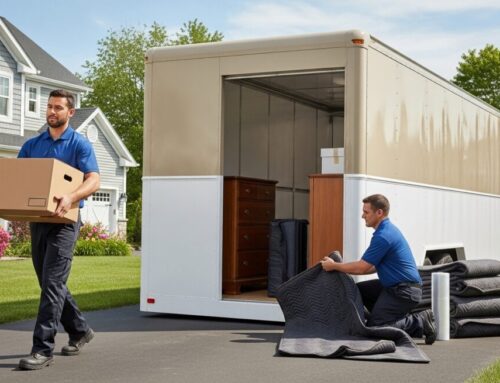
- Living area furniture: sofas, tables, lamps, electronics, artwork, and decorative pieces. Crews pad furniture with moving blankets and shrink wrap for scratch protection.
- Bedroom contents: mattresses, bed frames, dressers, clothing, shoes, and linens. Wardrobe boxes allow clothes to stay on hangers, which saves you hours of folding and rehanging.
- Bathroom and miscellaneous: toiletries, towels, cleaning supplies, and small decor. All liquids are sealed in leak-proof bags to prevent spills on other items.
- Specialty items: antiques, pianos, large mirrors, and fragile collectibles. These often require custom crating or extra padding at an additional cost.
Once everything is packed, the crew labels each box by room and contents. This labeling system is critical for efficient unpacking later. Some companies also take an inventory list, which helps track every box during transit and storage. If you are using a storage unit, that inventory becomes your reference for retrieving specific items without digging through every container.
Storage Options: Short-Term, Long-Term, and Climate Control
Storage is not a one-size-fits-all service. The duration and conditions you need will determine which option is right for you. Temporary storage is common when there is a gap between your move-out and move-in dates. This can range from a few days to several months. Many providers also offer long-term storage for people downsizing, traveling, or staging a home for sale.
Climate-controlled storage is a valuable upgrade for sensitive belongings. Items like wooden furniture, electronics, documents, artwork, and musical instruments can warp, crack, or grow mold in extreme temperatures or humidity. A climate-controlled unit maintains a stable environment between 55 and 80 degrees Fahrenheit. While this costs more than standard storage, it is often worth the investment for high-value or sentimental possessions.
Another key factor is accessibility. Some storage facilities allow you to visit your unit anytime during business hours. Others require an appointment or only offer drop-off and pick-up windows. If you need to retrieve items periodically, choose a plan with flexible access. For long-term storage where you will not visit often, a sealed container stored in a warehouse may be more cost-effective and secure.
Transport and Logistics: How Your Items Get to Storage
Packing and storage services what is included also covers the transportation phase. After your home is packed, the crew loads everything onto a truck. They use dollies, ramps, and straps to secure the load safely. The driver then transports your goods to the storage facility. This leg of the journey is where insurance matters most. Most companies offer valuation coverage, which protects against loss or damage during transit.
For more information about reducing moving stress and ensuring safe transport of your belongings, professional moving services can provide additional peace of mind. You should always ask about liability limits before signing a contract. Basic coverage often pays only a small amount per pound. Full-value protection costs more but covers repair or replacement at current market value.
Logistics also include unloading and stacking at the storage unit. The crew places heavy items on the bottom and lighter boxes on top. They leave walkways so you can access boxes later. Some companies offer a floor plan layout where you specify which items go where. This is especially helpful if you plan to visit the unit regularly and need quick access to certain boxes.
Additional Services That Add Value
Many moving companies bundle extra services with their packing and storage packages. These add-ons can simplify your move even further. For example, some providers offer a cleaning service that scrubs your old home after everything is packed. Others provide a furniture assembly service so you do not have to rebuild bed frames or tables at your new place.
Another common add-on is a portable storage container. Instead of a moving truck, the company drops a weatherproof container in your driveway. You pack it at your own pace, and then they pick it up and haul it to their facility. This option is ideal for people who want more control over the packing timeline but still need professional transport and storage.
Some companies also offer a consolidation service for small loads. If you are moving a studio apartment or just a few boxes, you can share a container with other customers to reduce costs. This is a budget-friendly option for students or people relocating for a short-term job. Just be aware that your items may be loaded and unloaded multiple times, so proper packing is essential.
Cost Factors and How to Budget
The price of packing and storage services varies based on several factors. The volume of your belongings, the distance to the storage facility, the duration of storage, and the level of packing service all affect the final quote. Most companies provide a free in-home estimate where they walk through your home and calculate the cubic feet of your items.
Here are the main cost drivers you should consider:
- Packing materials: Boxes, tape, bubble wrap, and padding. Some companies include these in the quote, while others charge separately. Ask for a detailed breakdown before you agree.
- Labor hours: The number of packers and the time required to wrap everything. A two-bedroom apartment typically takes one to two days with a three-person crew.
- Storage fees: Monthly rent for the unit, plus any administrative or security deposit fees. Climate-controlled units add 25 to 50 percent to the base rate.
- Transportation: Fuel surcharges, tolls, and mileage. These are usually included in the local moving quote but may be separate for long-distance moves.
- Insurance: Valuation coverage costs a percentage of the total declared value of your goods. Basic coverage is often free, but full-value protection costs extra.
To avoid surprise bills, get at least three written estimates from different companies. Compare not just the total price but what each estimate includes. A cheap quote might exclude packing materials or limit storage to 30 days. A higher quote might include climate control and unlimited access. Choose the plan that matches your actual needs, not just the lowest number.
Frequently Asked Questions
Do packing and storage services include boxes and supplies?
Most full-service packing companies include all necessary supplies in the quoted price. This includes boxes in various sizes, packing paper, bubble wrap, tape, markers, and labels. Some companies also provide specialty boxes for dishes, artwork, and electronics. Always confirm this before booking, as some budget providers charge separately for materials.
Can I store items for just a few days, or is there a minimum?
Many storage facilities have a minimum rental period of 30 days. However, some moving companies offer short-term storage for as little as one week. If you only need a few days, ask about temporary holding services. This is common when your new home is not ready on the exact moving day. Be prepared to pay a higher daily rate for short-term storage.
What items are not allowed in storage?
Storage facilities prohibit hazardous materials such as paint, gasoline, propane tanks, pesticides, and cleaning chemicals. Perishable food, plants, and animals are also banned. Some facilities restrict valuable items like jewelry, cash, and important documents unless you declare them and purchase additional insurance. Review the facility’s prohibited items list carefully before packing.
How do I access my stored items if I need something?
Access policies vary by facility. Some allow you to visit your unit during business hours with no appointment. Others require you to request a retrieval, and a staff member pulls your items for you. If you anticipate needing frequent access, choose a facility with self-service options. For long-term storage, consider labeling boxes clearly and creating a digital inventory to make retrieval easier.
Is climate control necessary for all items?
Climate control is not mandatory for every item. Plastic bins, metal tools, and synthetic fabrics can withstand temperature fluctuations. However, wooden furniture, leather goods, electronics, documents, photographs, and musical instruments benefit greatly from a stable environment. If you are storing items for more than a few months or in a region with extreme weather, climate control is a wise investment.
Making the Right Choice for Your Move
Choosing packing and storage services what is included is about matching the service package to your specific situation. If you have a tight timeline between move-out and move-in, a full-service pack with short-term storage can eliminate the rush. If you are downsizing or traveling abroad, long-term storage with climate control protects your valuables until you return.
Take the time to read reviews, ask for references, and verify the company’s licensing and insurance. A reputable provider will walk you through every step, from the initial estimate to the final delivery of your stored items. They will answer your questions about packing and storage services what is included without pressure or vague language. With the right partner, packing and storage stops being a chore and becomes a seamless part of your moving journey. Your belongings stay safe, your schedule stays flexible, and you gain back hours of your life that would have been spent on tape and boxes.