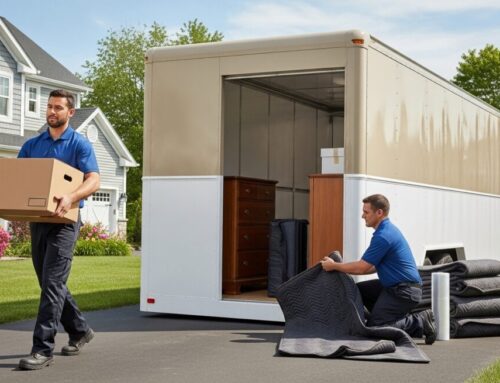
Moving Out of State Complete Relocation Guide

Relocating across state lines is one of the most significant logistical and financial decisions a household can make. Whether you are chasing a career opportunity, seeking a lower cost of living, or simply craving a new environment, the process involves far more than packing boxes and renting a truck. Without a structured plan, you risk surprise costs, scheduling conflicts, and unnecessary stress. This guide walks you through each phase of a long-distance move, offering actionable steps to keep your transition organized, affordable, and efficient.
Why a Structured Approach Matters for Interstate Moves
Moving out of state introduces complexities that local moves do not. Different states have varying regulations for vehicle registration, utility deposits, and even moving company licensing. A single oversight, such as failing to notify your current utility provider within the required window, can result in late fees or a delayed service transfer. Additionally, moving across states often means coordinating with a mover who operates across multiple jurisdictions, which demands careful vetting and clear communication.
A structured approach also helps you manage the emotional toll of leaving behind a familiar community. By breaking the relocation into manageable phases, you maintain a sense of control. Start by creating a master timeline that begins eight weeks before your target moving date. This timeline should include deadlines for researching movers, decluttering your home, transferring medical records, and updating your address with financial institutions. The more granular your timeline, the fewer last-minute surprises you will face.
Creating Your Relocation Budget and Timeline
Estimating the True Cost of an Interstate Move
One of the first questions people ask is, “How much will this cost?” The answer depends on the distance, the volume of belongings, the time of year, and the services you select. For a typical three-bedroom household moving across multiple states, professional movers may charge anywhere from $3,000 to $7,000 or more. However, the total cost extends beyond the moving truck. You must also account for packing supplies, travel expenses (fuel, lodging, meals), temporary housing if your new home is not ready, and deposits for utilities and rental applications.
To avoid surprise bills, request in-home or video estimates from at least three licensed interstate movers. Compare the line items carefully. Some companies offer a binding estimate (a guaranteed price), while others provide a non-binding estimate (the final price may increase based on actual weight or labor). Always ask about additional fees for stairs, long carries, or bulky items like pianos and treadmills. Budget an extra 10-15% as a contingency fund for unexpected costs, such as storage fees if your move-in date shifts.
Setting a Realistic Timeline
A successful out-of-state move typically requires a planning window of six to ten weeks. During the first two weeks, focus on research: identify potential movers, check their USDOT number with the FMCSA, and read customer reviews. Weeks three and four are dedicated to decluttering and sourcing packing materials. Weeks five and six involve packing non-essential items and finalizing service dates. The final two weeks are for packing daily-use items, handling address changes, and preparing for moving day.
If you are moving during peak season (May through September), book your mover at least four weeks in advance. Peak season demand drives up prices and reduces availability. Off-peak moves (October through April) often come with lower rates and greater scheduling flexibility. In our guide on moving out checklist for a smooth relocation, we provide a detailed week-by-week breakdown that you can adapt to your specific timeline.
Selecting a Professional Moving Partner
Choosing the right moving company is arguably the most critical decision in this process. A reputable interstate mover should hold active licensing with the Federal Motor Carrier Safety Administration (FMCSA) and carry adequate liability and cargo insurance. Start by visiting the FMCSA website to verify a company’s USDOT number and review its safety record. Avoid any mover that demands a large cash deposit upfront or refuses to provide a written estimate.
When interviewing candidates, ask about their experience with long-distance moves specifically. A company that excels at local moves may lack the equipment or logistics network to handle a cross-state relocation efficiently. Request references from customers who completed a similar distance move. You can also check ratings on the Better Business Bureau and independent review platforms. Pay attention to patterns in complaints, such as late deliveries, damaged items, or billing disputes.
For a reliable option, consider the services offered by Moving.Homes, a comprehensive relocation resource that connects you with professionally trained movers, guaranteed pricing, and 24/7 support. Their network covers local, long-distance, and interstate moves, with specialized services for packing, storage, and handling delicate items like art and antiques. Requesting a free quote through their platform can give you a clear picture of costs and service options tailored to your route.
Packing Strategies for a Long-Distance Move
Packing for an interstate move requires a different mindset than packing for a local move. Your belongings will spend more time in transit, face more handling points, and potentially endure varying temperatures and humidity levels. Invest in high-quality boxes, including wardrobe boxes for clothing and dish packs for fragile items. Double-layer corrugated boxes provide better protection than standard single-wall boxes.
Label each box with its destination room and a brief inventory of contents. Use a color-coding system: assign a color to each room in your new home and place a colored sticker on the corresponding boxes. This system helps movers unload efficiently and reduces the time you spend searching for essentials. For valuable or sentimental items, consider transporting them personally in your vehicle. Jewelry, important documents, family photos, and small electronics should never go into the moving truck.
If you are short on time or energy, many moving companies offer professional packing services. While this adds to the cost, it often pays off in reduced stress and fewer broken items. Professional packers bring specialized materials and techniques for securing fragile objects, such as glassware, mirrors, and electronics. They can also disassemble and reassemble furniture, saving you hours of manual labor.
Handling Utilities, Address Changes, and Legal Transfers
The administrative side of moving out of state can feel overwhelming, but it is essential to complete these tasks before and after your move. Start by scheduling utility disconnections at your current home for the day after you move out. Schedule connections at your new home for the day before you move in. This overlap ensures you have lights, heat, and water when you arrive, and avoids a gap that could spoil food or leave you in the dark.

You must also update your address with the United States Postal Service at least two weeks before your move. The USPS offers a mail forwarding service that redirects your mail to your new address for up to 12 months. Additionally, notify your bank, credit card companies, insurance providers, and any subscription services of your new address. Do not forget to update your driver’s license and vehicle registration within the timeframe required by your new state (usually 30 to 90 days). Failing to do so can result in fines or complications with law enforcement.
If you have children, coordinate the transfer of school records and medical records well in advance. Contact your new school district to understand enrollment requirements, including immunization records and proof of residency. Similarly, request copies of medical records from your current providers and identify new healthcare providers in your destination area. A smooth transition for your family reduces the emotional friction of relocation.
Preparing for Moving Day and the First Week
Moving day itself requires a clear plan and calm execution. Confirm your moving company’s arrival window the day before and ensure you have a fully charged phone, a printed copy of the contract, and cash or a card for the final payment. Prepare a “first-night box” with essentials: toiletries, a change of clothes, medications, phone chargers, a few basic tools, snacks, and water. This box should travel with you, not on the truck.
When the movers arrive, walk through your home with the crew leader and point out any items that require special handling. Take photos of high-value furniture and electronics before they are loaded. After the truck is loaded, do a final walkthrough of every room, closet, and storage area to ensure nothing is left behind. Lock all windows and doors, and leave the keys with your realtor or new homeowner as agreed.
Once you arrive at your new home, follow a systematic unpacking approach. Set up essential rooms first: the bedroom (so you can sleep), the bathroom (so you can shower), and the kitchen (so you can eat). Unpack one box at a time, breaking down boxes as you go to avoid clutter. If you feel overwhelmed, give yourself permission to take breaks. The goal is not to be fully settled in 24 hours, but to create a livable space that reduces stress.
Frequently Asked Questions
How far in advance should I book an interstate mover?
Book at least four to six weeks ahead during peak season (May-September) and three to four weeks ahead during off-peak months. Early booking secures your preferred dates and often locks in lower rates.
What is the difference between binding and non-binding estimates?
A binding estimate guarantees the total cost based on the estimated weight and services listed. A non-binding estimate is a projection; the final cost may increase if the actual weight exceeds the estimate or if you add services. For budget certainty, request a binding estimate.
Do I need to be present during the entire move?
Yes, you should be present at both the origin and destination to oversee the loading and unloading, answer questions, and sign the inventory list. If you cannot be present, designate a trusted representative.
How do I protect my valuables during a long-distance move?
Transport valuables personally in your vehicle. For items that must go on the truck, ensure they are packed in high-quality containers with ample padding. Consider purchasing additional valuation coverage from your mover for high-value items.
Can I move plants across state lines?
Some states have restrictions on moving plants to prevent the spread of pests and diseases. Check the agricultural regulations of your destination state. Many movers will not transport plants due to liability, so plan to transport them yourself or give them away.
What should I do if my belongings arrive damaged?
Note the damage on the mover’s inventory list before signing. Take photos and file a claim with the moving company as soon as possible. Keep all packing materials as evidence. Most movers have a claims process that must be initiated within a specific timeframe (often 30 days).
Final Thoughts on Your Interstate Relocation
Moving out of state is a complex undertaking, but it is also an opportunity to reset your life in a new environment. By approaching the process with a detailed plan, a realistic budget, and a reliable moving partner, you can minimize disruptions and focus on the excitement of your new chapter. Start early, ask questions, and lean on professional resources when you need them. The effort you invest in preparation will pay off in a smoother transition and a faster return to normalcy in your new home.