Trailer Moving Cost: Key Transportation Factors
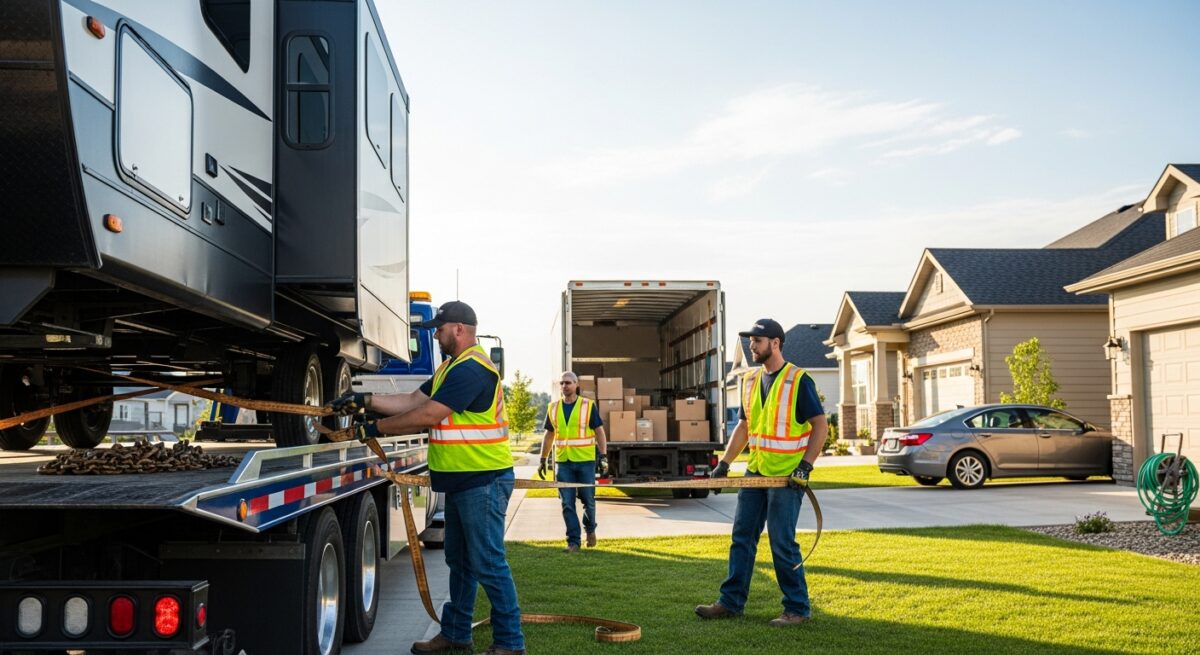
Moving a trailer, whether it is a mobile home, a travel trailer, or a flatbed cargo unit, involves a unique set of logistics that differ significantly from a standard household move. The total price depends on several variables that can shift the budget by thousands of dollars. Understanding these factors before you request a quote is the best way to avoid surprises. This article breaks down the core elements that determine the cost to move a trailer and transportation factors you must consider for a smooth relocation.
What Drives the Cost to Move a Trailer?
The cost to move a trailer is not a flat rate. It is a calculation based on distance, size, weight, permits, and the complexity of the route. Most moving companies estimate the price using a per-mile rate, but that rate changes based on the specific requirements of your trailer. For example, moving a small utility trailer across town costs far less than hauling a double-wide manufactured home across state lines.
One of the primary drivers is the type of trailer. A recreational vehicle (RV) that is road-ready and can be towed by a truck is cheaper to relocate than a park model that requires a specialized flatbed. Similarly, a mobile home that needs to be disconnected from utilities, have its axles reinstalled, and be transported by a professional rig will incur higher charges. The weight and dimensions directly affect the class of vehicle needed for the haul, which in turn affects the per-mile rate.
Another critical factor is the origin and destination. If the trailer is located in a rural area with narrow roads or low-hanging trees, the transporter may need to use a longer route or obtain special permits. Urban moves also present challenges, such as street parking restrictions and traffic management. Always provide the exact pickup and drop-off locations when asking for a quote, as these details heavily influence the final price.
Key Transportation Factors That Affect Pricing
When evaluating the cost to move a trailer and transportation factors, you need to consider more than just the distance. The following elements play a major role in the final estimate.
Distance and Route Complexity
Long-distance moves generally have a lower per-mile rate than short-distance moves because the transporter can spread the fixed costs over more miles. However, the total cost increases with distance. A move of 100 miles might cost a flat fee of $500 to $1,000, while a 1,000-mile move could range from $2,000 to $5,000 or more. The route itself matters. Highways with clear clearance are cheaper than winding back roads that require slow driving and frequent stops.
Trailer Size and Weight
Larger and heavier trailers require more powerful trucks, more fuel, and often an escort vehicle. Here is a simple breakdown of how size affects the cost:
- Single-wide mobile home (up to 16 feet wide): Moderate cost, typically requires one escort vehicle and standard permits.
- Double-wide or triple-wide mobile home: Higher cost due to the need for a wide-load permit, multiple escort vehicles, and a specialized trailer setup.
- Travel trailer or fifth-wheel (under 40 feet): Lower cost if towable by a heavy-duty pickup, but still subject to weight and height restrictions.
- Cargo or utility trailer: Lowest cost, often moved by a standard truck with no special permits required.
The weight also determines whether the transporter needs a semi-truck or a medium-duty tow vehicle. Heavier loads increase fuel consumption and wear on the vehicle, which is passed on to the customer.
Permits and Escort Vehicles
Most states require oversize or overweight permits for trailers that exceed standard dimensions. These permits are not free. They can cost anywhere from $10 to $200 per state, and if your route crosses multiple states, you will need multiple permits. Some loads also require pilot or escort vehicles to warn other drivers and ensure safe passage. Escort vehicles add $50 to $100 per hour per vehicle, and some loads require two escorts. This is one of the most overlooked cost to move a trailer and transportation factors that can catch homeowners off guard.
Professional Transport vs. DIY Moving
One of the first decisions you will face is whether to hire a professional transport company or move the trailer yourself. DIY moving might seem cheaper at first glance, but it carries hidden costs and risks. Renting a heavy-duty truck, buying or renting a tow hitch, and paying for fuel can add up quickly. You also need to consider your own time and the potential for damage.
Professional movers handle all the logistics, including permits, route planning, and insurance. For a manufactured home transport, professionals know how to disconnect the home, secure it for travel, and reconnect it at the new site. The peace of mind that comes with professional service often justifies the higher upfront cost. In our guide on how to choose trailer house moving companies and transport services, we explain how to vet providers and what questions to ask before signing a contract.
If you decide to move the trailer yourself, you must ensure your vehicle is rated for the towing capacity. Exceeding the vehicle rating is dangerous and illegal. You also need to check local laws regarding trailer lights, brakes, and safety chains. A single mistake on the road can lead to costly fines or accidents.

Additional Services and Hidden Fees
When you receive a quote, ask what is included. Some companies offer a base price that only covers the transport itself. Others include disconnection, reconnection, and even storage. Common additional services that affect the overall trailer moving cost include:
- Disconnection and site preparation: Disconnecting utilities, removing skirting, and preparing the trailer for transport.
- Reconnection and setup: Leveling the trailer, reconnecting water and electricity, and installing skirting at the new site.
- Storage: If there is a gap between pickup and delivery, you may need temporary storage for the trailer.
- Insurance: Basic liability is usually included, but full replacement value coverage costs extra.
Always request a written estimate that itemizes these services. Hidden fees such as fuel surcharges, tolls, and waiting time can add 10 to 20 percent to the total bill. A reputable transporter will disclose these costs upfront.
How to Get an Accurate Quote
To get a reliable estimate, you need to provide detailed information to the moving company. Start by measuring the trailer’s dimensions, including length, width, and height. Weigh the trailer if possible, or use the manufacturer’s specifications. Note the exact pickup and delivery addresses, and mention any obstacles such as narrow streets, low bridges, or steep driveways.
Contact at least three different companies and compare their quotes. Be wary of quotes that are significantly lower than the others, as they may indicate a lack of proper insurance or hidden fees. Ask about their experience with your specific type of trailer. A company that specializes in manufactured home transport will have better equipment and knowledge than a general freight hauler.
For those looking to finance the move or the new home purchase, consider exploring options for vehicle and trailer financing to cover the transportation costs. This can help you manage the upfront expenses, especially if you are moving a large manufactured home that requires significant investment.
Frequently Asked Questions
What is the average cost to move a mobile home?
The average cost ranges from $2,000 to $7,000 for a single-wide mobile home and $5,000 to $15,000 for a double-wide. These figures include transport, permits, and basic setup. Long-distance moves or complex routes can push the price higher.
Does insurance cover the cost to move a trailer?
Standard homeowner’s insurance usually does not cover the transport of a trailer. You will need separate cargo insurance from the moving company. Some companies offer transit insurance as part of their service, but it often covers only a fraction of the trailer’s value. Ask about full replacement value coverage for better protection.
How long does it take to move a trailer?
A local move of under 50 miles can be completed in a single day. Long-distance moves of 500 miles or more may take 2 to 5 days, depending on the route, weather, and permit approvals. The transport company should give you an estimated timeline before the move begins.
Can I move a trailer myself without a commercial license?
Yes, in most states you can tow a trailer without a commercial driver’s license (CDL) as long as the combined weight of the vehicle and trailer does not exceed 26,000 pounds. However, you still need to follow all state laws regarding permits, lights, and safety equipment. Check with your local DMV before attempting the move.
Final Considerations for Your Trailer Move
Moving a trailer is a project that requires careful planning and a clear understanding of the costs involved. The cost to move a trailer and transportation factors such as distance, size, permits, and professional services all play a role in the final price. By gathering accurate information and comparing quotes from reputable transporters, you can make an informed decision that fits your budget. Remember to factor in additional services and potential hidden fees so that you are not caught off guard on moving day. Whether you choose to hire professionals or handle the move yourself, thorough preparation is the key to a successful and stress-free relocation.