How to Choose Trailer House Moving Companies and Transport Services
Moving a trailer house, whether it is a single-wide mobile home, a double-wide, or a park model, presents a unique set of logistical challenges. Unlike standard household goods, a trailer house is a massive, heavy structure that requires specialized equipment, permits, and expertise to relocate safely. Choosing the right trailer house moving companies and transport services is not just about getting a low price; it is about protecting your investment, ensuring compliance with state and local regulations, and avoiding costly delays or damage. This guide walks you through the critical factors to consider, the steps involved, and how to vet professionals so your relocation goes smoothly.
Understanding the Scope of a Trailer House Move
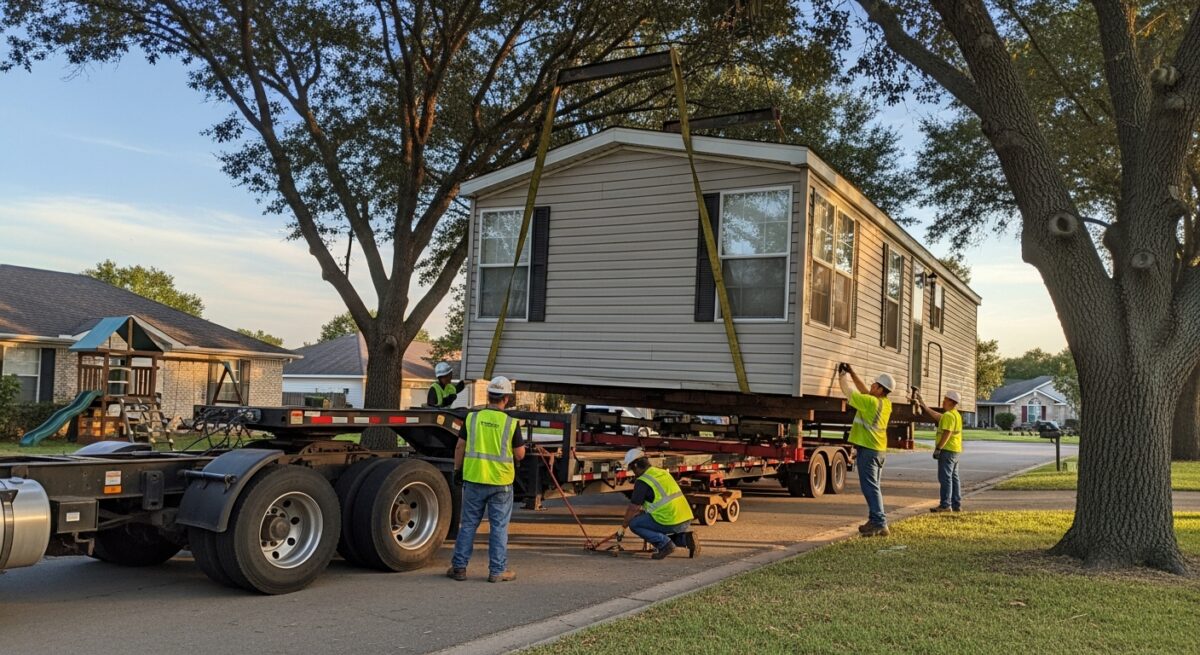
Relocating a trailer house is fundamentally different from moving the contents of a standard home. You are moving the structure itself. This process involves coordinating with utility companies, securing road permits, hiring a certified transport company, and often arranging for a new foundation or site preparation at the destination. A professional trailer house moving company handles the physical lifting, towing, and placement of the unit. These companies employ specialized equipment such as hydraulic dollies, multi-axle trailers, and powerful tow trucks designed to handle the weight and dimensions of manufactured homes.
Before you begin your search, you must understand the condition of your home. Older models, particularly those built before 1976 (pre-HUD code), may have structural weaknesses that require special reinforcement before transport. A reputable mobile home trailer mover will insist on a pre-move inspection to identify potential issues like roof leaks, floor rot, or frame damage. This inspection is a critical step that protects both you and the mover from unexpected complications.
Key Services Offered by Trailer House Transport Professionals
Not all moving companies offer trailer relocation services. Those that do typically provide a full suite of offerings beyond just towing. When evaluating trailer relocation services, look for providers that include the following capabilities:
- Site Assessment and Permitting: The company should handle the complex process of obtaining oversize/overweight permits from your state and any states you will pass through. They also assess the travel route for low bridges, narrow roads, and weight-restricted structures.
- Home Preparation: This includes disconnecting utilities (gas, water, electric, sewer), removing skirting and tie-downs, and preparing the home for the road. Some companies also offer to move personal belongings inside the home, though this is often an added service.
- Transport and Setup: The actual moving of the home to your new site. Once the home arrives, the team positions it on the foundation or supports, levels it, and reconnects utilities if that service is included in the contract.
- Storage Solutions: If there is a gap between the move-out and move-in dates, some companies provide temporary storage for the trailer house at their secure yard.
Understanding these service layers helps you compare quotes accurately. A lower price from one company may simply reflect fewer included services. Always ask for a detailed breakdown of what is covered in the quoted price.
How to Vet a Trailer House Moving Company
Selecting a reliable mover requires more than reading online reviews. You need to verify their credentials, insurance, and experience specifically with manufactured home transport. Start by asking for proof of licensing and insurance. The company should carry both cargo insurance (to cover damage to your home) and liability insurance (to cover damage to property or other vehicles). Many states also require a specific license for moving manufactured homes, so check with your state’s Department of Transportation or Motor Vehicles.
Next, ask for references from recent clients. A reputable trailer house moving company should be able to provide names and contact information for homeowners who have completed similar moves. Call a few of these references and ask about punctuality, communication, handling of unexpected issues (like weather or permit delays), and the final condition of their home upon arrival.
Another critical step is to verify the company’s safety record. You can check with the Federal Motor Carrier Safety Administration (FMCSA) for any complaints or violations against their USDOT number. Avoid any company that hesitates to provide their USDOT number or that has a history of safety violations. For more general guidance on evaluating moving professionals, our guide on choosing local house moving companies provides additional steps that apply to any type of relocation.
Cost Factors for Trailer House Transport
The cost of moving a trailer house varies widely based on distance, home size, route complexity, and the level of service required. On average, a local move (under 50 miles) for a single-wide home can cost between $1,500 and $4,000, while a double-wide or a long-distance move can run $5,000 to $15,000 or more. These figures often exclude additional costs like utility disconnects/reconnects, new foundation work, and permits.
Key factors that influence pricing include:
- Distance and Route: Longer distances increase fuel, labor, and permit costs. Routes that require pilot cars (escort vehicles) or that pass through densely populated areas add significant expense.
- Home Dimensions and Weight: Larger and heavier homes require more axle capacity and may require special routing to avoid weight-restricted roads.
- Site Accessibility: If your current or future site has narrow roads, steep inclines, or limited turning space, the mover may need additional equipment or crew, raising the price.
- Seasonal Demand: Spring and summer are peak moving seasons. You may find lower rates and greater availability if you schedule your move during the fall or winter months, weather permitting.
Always obtain at least three written quotes from different companies. Be wary of any quote that is significantly lower than the others, as it may indicate a lack of proper insurance or hidden fees that will appear later.
Preparing Your Trailer House for the Move
Once you have selected a mover, you must prepare your home for transport. This process typically begins two to four weeks before the move date. Start by notifying your utility providers to schedule disconnection. You will also need to disconnect any appliances that are permanently installed, such as a washing machine or a furnace, if the mover does not include that in their service.

Inside the home, secure or remove all loose items. Many movers require that all personal belongings be packed and either removed from the home or securely fastened. Items like dishes, picture frames, and books can shift during transport and cause damage. If you are moving with belongings inside, consider investing in professional packing services or purchasing high-quality packing supplies from a resource like Moving.Homes, which offers double-layered boxes and protective materials.
Outside the home, remove any skirting, steps, porches, or decks that are attached. The mover will handle the tie-downs and the undercarriage preparation, but you should clear the area around the home to provide easy access for the heavy equipment. If you have trees or landscaping that could obstruct the path, trim them back in advance to avoid last-minute delays.
What to Expect on Moving Day
On the scheduled day, the transport crew will arrive with their equipment. They will perform a final inspection of the home and the route. The actual lifting and towing process is slow and methodical. The crew will use hydraulic jacks and dollies to raise the home off its foundation, then carefully maneuver it onto the trailer. This process can take several hours for a single-wide and most of a day for a double-wide.
During the actual transit, the crew will monitor the home for any shifting or instability. If the route is long, they may stop periodically to check the straps and connections. When the home arrives at your new site, they will reverse the process, placing the home on the new foundation, leveling it, and reconnecting utilities if that service was included in your contract. Do not expect the home to be instantly livable. There will likely be minor adjustments needed, such as re-leveling after a few days as the home settles, and you may need to reconnect appliances and finalize utility hookups yourself.
Frequently Asked Questions
Can I move a trailer house myself without hiring a professional company?
Technically, you can attempt a DIY move, but it is strongly discouraged. Moving a trailer house requires specialized equipment, permits, and knowledge of weight distribution and road laws. Mistakes can lead to severe structural damage, legal fines, or accidents. Most lenders and insurance companies also require a licensed professional to perform the move to maintain coverage.
How far in advance should I book a trailer house moving company?
You should begin your search at least 8 to 12 weeks before your desired move date. The permitting process alone can take several weeks, and reputable companies book up quickly, especially during peak season. Earlier booking also gives you time to obtain multiple quotes and negotiate terms.
What happens if my trailer house is damaged during the move?
Damage can occur despite the best precautions. Your contract should clearly outline the claims process. The mover’s cargo insurance covers the home while it is in their care. You should document the condition of the home with photos before the move and immediately after arrival. Report any damage in writing to the mover within the timeframe specified in your contract (often 24 to 48 hours).
Do I need to empty the trailer house before the move?
Most movers recommend emptying the home completely to reduce weight and prevent damage to your belongings. Some companies allow you to leave furniture and other items inside if they are properly secured, but they typically charge extra for this service and will not accept liability for damage to those items. For the safest and most straightforward move, plan to clear the home entirely.
When planning your budget for the move, remember that you may also need to arrange for temporary storage of your belongings or for transportation of vehicles. Some homeowners also use this opportunity to explore financing options for their new home or to secure loans for site preparation. For those looking to manage cash flow during the transition, a resource like StartAutoLoad can provide helpful financial tools and guidance for covering moving-related expenses.
How long does the actual move take?
The transport time depends on distance and road conditions. A local move (under 50 miles) can often be completed in a single day, including the setup at the new site. Long-distance moves can take several days, with the crew stopping overnight. The company should provide you with an estimated timeline before the move begins.
Relocating a trailer house is a significant undertaking, but with the right preparation and a trusted professional mover, it can be a smooth transition. Focus on vetting companies thoroughly, understanding the full scope of costs, and preparing your home and site well in advance. By following the steps outlined here, you can ensure that your manufactured home arrives safely and is set up correctly at its new location. Learn more