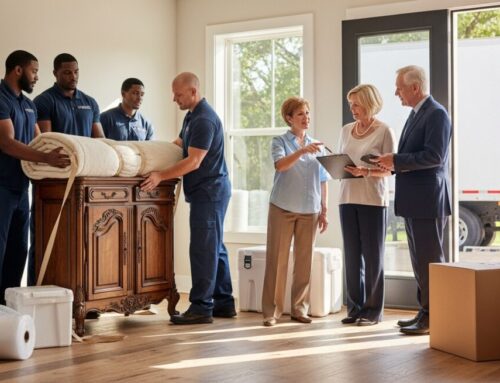
Settling Into a New Home: A 30-Day Plan

You have finally unlocked the door, dropped the last box in the living room, and watched the moving truck disappear down the street. A wave of exhaustion mixed with excitement washes over you. The hard part (the packing, the lifting, the logistics) is over. But a different challenge now begins: turning a house full of cardboard into a place that feels like home. This phase is often overlooked in the rush of relocation, yet it is the most critical for your long-term comfort and happiness. Settling into a new home is not a single event; it is a process that requires a deliberate, patient approach. Without a plan, those boxes can linger for months, and the feeling of being a visitor in your own space can persist. This guide provides a structured, 30-day roadmap to help you unpack, organize, and truly settle in, transforming your new address into a sanctuary.
Why a Structured Unpacking Plan Matters
The temptation after a move is to tackle everything at once. You might start in the kitchen, then jump to the bedroom, then get distracted by a box of books. This chaotic approach often leads to decision fatigue and burnout. A structured plan helps you prioritize what matters most: your daily routines, your family’s comfort, and the gradual creation of a space that reflects your personality. By breaking the process into manageable stages, you reduce stress and avoid the common pitfall of living out of boxes for weeks.
Think of the first 30 days as a series of small victories. Each completed zone (like a functional kitchen or a fully made bed) provides a psychological boost. This momentum is crucial. When you feel good about one area, you are more motivated to tackle the next. Furthermore, a plan helps you avoid the mistake of placing items in temporary spots where they will sit for years. Taking the time to do it right from the start saves you from having to reorganize everything again later.
Week 1: The Essentials and Survival Kit
The first week is about survival and functionality. Your primary goal is to make the home livable. Do not worry about hanging art or decorating shelves. Focus on the core systems that keep your household running. Start by identifying the room that will serve as your command center. This is where you will keep the phone chargers, the mail, the moving paperwork, and the takeout menus. A simple folding table or a cleared kitchen counter works perfectly.
Next, prioritize the bedroom. You need a good night’s sleep to have the energy for the rest of the move. Make your bed with clean sheets, unpack your pajamas, and set up a lamp on the nightstand. If you have children, set up their beds and a small bin of their favorite toys first. A familiar sleeping environment helps everyone adjust faster. The kitchen comes next. Unpack only the essentials: a few plates, bowls, cups, utensils, a frying pan, a coffee maker, and a knife. Box up the specialty gadgets and formal china for now. You need to be able to make breakfast and coffee without digging through ten boxes.
The Irreplaceable Box
Every mover should have an “open first” box that travels with you, not in the truck. This box is your lifeline for the first 24 to 48 hours. Pack it carefully and keep it with you in your car.
- Tools and Hardware: A screwdriver set, a utility knife (for opening boxes), scissors, a hammer, and a roll of packing tape. You will use these constantly.
- Personal Toiletries: A toothbrush, toothpaste, soap, shampoo, deodorant, a towel, and any necessary medications. Do not assume you will find these in the bathroom boxes.
- Important Documents: Your lease or deed, identification, insurance papers, and any moving contracts. Keep them in a secure folder.
- Device Chargers and Power Strips: Your phone and laptop are your connection to the outside world. Keep them charged.
- First Night Comforts: A change of clothes, a pillow, a small blanket, and a book or tablet for relaxation after a long day.
Having this box accessible means you will not be digging through a mountain of boxes at 11 p.m. looking for your phone charger. It provides a baseline of comfort that makes the first chaotic night much more manageable. Once these essentials are in place, you can breathe a little easier and start planning the next phase.
Week 2: Room by Room Deep Unpacking
With the survival phase complete, week two is about making real progress. The key here is to focus on one room at a time. Do not flit between spaces. Commit to finishing a room before moving to the next. Start with the room you use most, which is often the kitchen or the living room. For the kitchen, this means unpacking every single box. Wash the dishes, put them away in their designated cabinets, and organize the pantry. Get rid of the empty boxes immediately. A clear physical space helps create a clear mental space.
For the living room, focus on the layout before you unpack. Where will the sofa go? Where does the television look best? Move the furniture into place first, then unpack the decorative items. Arrange books on the shelves, place plants, and set up the electronics. This is also the time to hang the curtains or blinds. Natural light and privacy are essential for making a space feel like your own. If you find items that do not have a home, create a temporary “decisions” box. Do not let these items clutter your surfaces. You will make decisions about them later.
This phase of settling into a new home requires discipline. It is easy to get distracted by a box from the guest room that ended up in the hallway. Ignore it. Stay in the room you have chosen until it is done. The satisfaction of seeing a fully unpacked, organized room is a powerful motivator. By the end of week two, you should have the major living spaces (kitchen, living room, master bedroom) completely unpacked and functional.
Week 3: The Details and Personalization
By the third week, the house should be largely unpacked. Now it is time to shift from functional to personal. This is where you turn a house into a home. Start by addressing the walls. Blank walls make a space feel sterile and temporary. Hang your art, family photos, and mirrors. If you are renting and cannot put nails in the walls, use removable adhesive strips. The visual layer of your personality is what creates a sense of belonging.
Next, focus on the sensory details. Change the light bulbs to a warmer temperature if the builder-grade bulbs are too harsh. Add rugs to define spaces and add warmth. Place a few scented candles or a diffuser in the entryway and living room. These small touches signal to your brain that this is a safe, comfortable environment. Do not forget the exterior. If you have a front porch or a small balcony, place a doormat and a potted plant. Coming home to a welcoming entrance makes a significant difference in your daily mood.

This is also the week to tackle the “decisions” box you created earlier. Go through those orphan items and find them a permanent home. If you cannot decide, it might be time to donate or discard them. A common mistake during a move is keeping things out of guilt or indecision. Be ruthless. If an item does not serve a purpose or bring you joy in your new home, let it go. This clarity will help you maintain the organized, peaceful environment you are working to create.
Week 4: Logistics, Systems, and Community
The final week of your settling-in plan is about the behind-the-scenes work that keeps a household running smoothly. First, update your address with the post office, banks, credit card companies, and any subscription services. This is a tedious task, but it prevents missed bills and lost packages. Set up a dedicated spot for mail, such as a small tray or a wall-mounted organizer. Get into the habit of sorting mail daily to prevent paper clutter from piling up.
Next, establish your home maintenance systems. Locate the circuit breaker, the water shut-off valve, and the furnace filter. Create a simple calendar for changing the filter, testing smoke detectors, and scheduling any needed maintenance. Knowing where these critical systems are gives you confidence and preparedness. If you have not already, introduce yourself to your neighbors. A simple wave or a five-minute conversation can build a sense of community. Knowing the people around you increases your feeling of safety and belonging.
Finally, take a moment to celebrate. You have completed a major life transition. Whether you hire a professional service to handle the heavy lifting (like the expert teams at carloanrefinancing.com for your vehicle needs or a full-service mover for your furniture) or you did it all yourself, you deserve acknowledgment. Order takeout from a local restaurant, sit in your newly arranged living room, and appreciate the space you have created. This intentional pause helps solidify the emotional transition. You are no longer moving. You have arrived.
Frequently Asked Questions
How long does it take to fully settle into a new home?
The timeline varies for everyone. Most people feel comfortable within the first month, but it can take up to three to six months to feel fully settled. The key is to prioritize the essential spaces first and allow yourself grace with the less critical areas. Do not rush the process.
What should I do if I feel overwhelmed after moving?
Feeling overwhelmed is completely normal. Take a break and do something unrelated to unpacking. Go for a walk in your new neighborhood, visit a local coffee shop, or simply sit outside. Give yourself permission to stop for a day. The boxes will still be there tomorrow. Also, consider asking friends or family for help. Unpacking is faster and more fun with company.
How do I help my children adjust to a new home?
Children thrive on routine and familiarity. Unpack their rooms first and make them as similar to their old rooms as possible. Involve them in the decorating process by letting them choose where to put their posters or toys. Stick to your normal family routines (meal times, bedtimes) as closely as possible. Talk to them about their feelings and give them time to explore the new house and neighborhood.
When should I start decorating and hanging art?
It is best to wait until after the major furniture is in place and you have lived in the space for a week or two. This gives you a feel for the flow of the room. You can start hanging art in the third week, as suggested in the timeline above. Rushing to decorate before you understand the space can lead to a layout that does not work for your daily life.
Should I buy new furniture right away?
No. Live in the space for at least a few weeks before making any major furniture purchases. You need to understand how you actually use the rooms. A room might look bigger or smaller than you expected. Temporary solutions (like using a folding table as a desk) are perfectly fine while you figure out what you truly need.
Your New Chapter Begins Now
Settling into a new home is a journey that blends logistics with emotion. It is about more than just putting things away; it is about creating a foundation for your next chapter. By following a structured plan, you can minimize stress and maximize the joy of your new space. Remember to focus on the essentials first, personalize gradually, and give yourself the time and grace to adjust. Every box you unpack and every picture you hang is a step toward making this new place your own. The moving truck may have left, but the real work of making a home has just begun. Embrace it one room, one day, and one decision at a time.