Settling In: Your Guide to Exploring a New Neighborhood
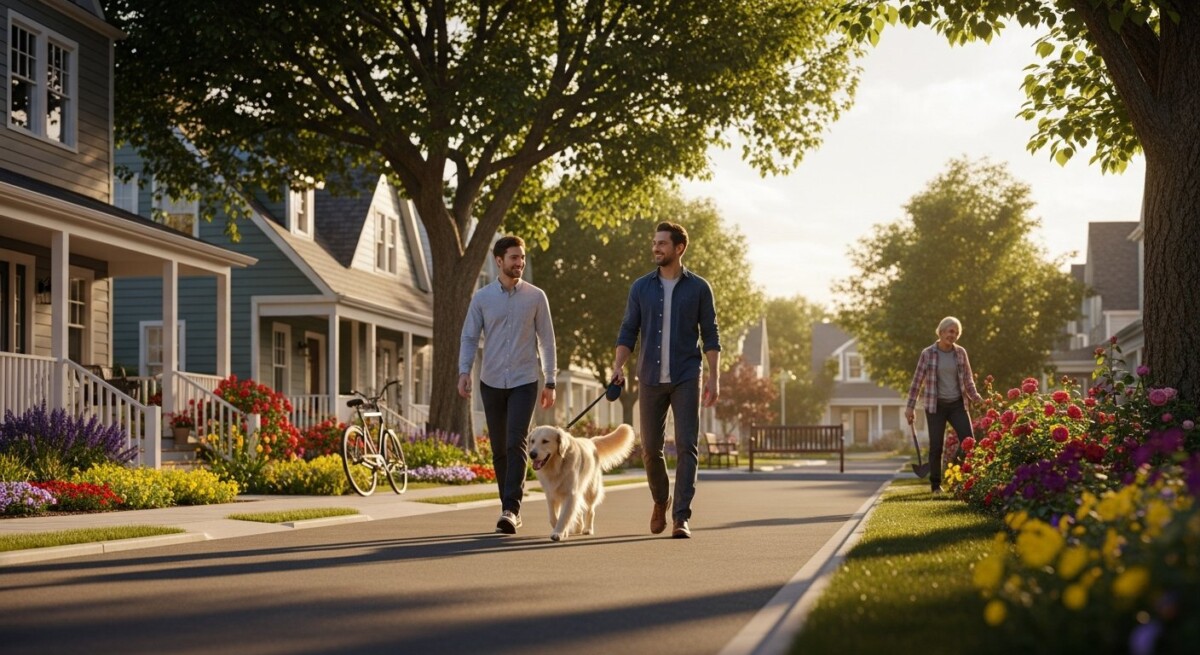
Moving into a new home marks the end of one journey and the beginning of another. After the boxes are unpacked and the furniture is arranged, a significant task remains: getting to know the area around you. The process of exploring a new neighborhood after moving can feel overwhelming at first, but it is also an opportunity to build a fresh life and create new routines. Taking deliberate steps to understand your surroundings turns a house into a home and a street into a community. This guide provides a practical framework for making that transition smooth and rewarding.
Why Active Exploration Matters for Your Relocation Success
Many people assume that settling in happens naturally over time. While familiarity does grow with each passing week, actively engaging with your environment speeds up the process considerably. Exploring a new neighborhood after moving helps you locate essential services like grocery stores, pharmacies, and medical clinics. It also reduces the anxiety of feeling lost or disconnected. When you know where to find a good coffee shop or a quiet park, your new location begins to feel like your territory rather than a temporary stop.
Beyond convenience, there is a social component. Neighbors are more likely to approach someone walking a dog or tending a front garden than someone who always pulls into a garage and disappears. By getting out on foot or by bike, you signal that you are open to connection. This can lead to recommendations for babysitters, plumbers, and the best pizza place in town. In our guide on affordable Idaho moving solutions, we discuss how budget-friendly planning can free up time for these important post-move activities.
A Step-by-Step Plan for Your First Week in a New Area
Structure helps turn a vague intention into action. The first seven days after your move are ideal for laying the groundwork. Follow this sequence to cover the most important bases without burning out.
Day 1: The Immediate Needs Walk
On your first full day, take a short walk around the immediate block. Focus on identifying the nearest bus stop, the closest convenience store, and any visible community bulletin boards. Notice the layout of streets and where mailboxes are located. This walk does not need to be long. Fifteen to twenty minutes is enough to create a mental map of your immediate vicinity. Carry your phone to take notes or snap photos of shop hours posted on doors.
Day 2: Expand the Radius
On day two, walk or drive a slightly larger circle. Look for the nearest grocery store, gas station, and pharmacy. If you have children, locate the nearest school or playground. Make a list of addresses and hours of operation. This is also a good time to check the condition of sidewalks and street lighting if you plan to walk at night.
Day 3: Visit a Local Business
Make a point of buying something small from a local business. A coffee, a pastry, or a newspaper gives you a reason to interact with a shopkeeper. Ask them what they like about the neighborhood. Locals often know about hidden gems that do not appear in online searches. This simple act of commerce can break the ice and make you feel more integrated.
Day 4: Scout Community Spaces
Look for libraries, community centers, parks, and recreational facilities. These places often host free events, classes, or clubs. Even if you do not join anything immediately, knowing where they are gives you options for later. A library card is one of the fastest ways to feel like a resident rather than a visitor.
Day 5: Check Online Neighborhood Groups
Platforms like Nextdoor, Facebook neighborhood groups, or local subreddits can provide real-time information about road closures, crime alerts, and upcoming events. Introduce yourself with a brief post. Mention that you recently moved and ask for one or two recommendations. People enjoy being the expert on their own turf.
Day 6: Drive the Commute Route
If you work outside the home, drive your commute route on a weekend morning when traffic is light. Note alternate routes, potential bottlenecks, and where to find gas stations along the way. Knowing your commute reduces morning stress significantly.
Day 7: Relax and Reflect
Use the seventh day to revisit a spot you enjoyed during the week. Sit on a park bench, return to that coffee shop, or simply walk the same route at a slower pace. Let the information you gathered settle. This reflection helps your brain encode the new geography as familiar.
Overcoming Common Barriers to Neighborhood Exploration
Even with a plan, several obstacles can derail your efforts. Identifying these barriers in advance helps you address them proactively.
- Exhaustion from the move: Physical and mental fatigue is real. Combat this by setting small, achievable goals like walking for ten minutes rather than an hour.
- Unfamiliarity breeds hesitation: It is normal to feel shy in a new place. Remind yourself that most people are friendly and that a simple smile or wave costs nothing.
- Bad weather: Have a backup plan like visiting indoor venues such as a library, mall, or museum. Do not let rain cancel your exploration entirely.
- Lack of transportation: If you do not have a car yet, use ride-sharing services or public transit to reach farther destinations. Walking or biking is also an option for closer areas.
Each of these barriers can be overcome with a little creativity. For example, if you feel too tired for a full walk, drive slowly through the neighborhood with the windows down. You will still absorb a great deal of information with minimal effort.

How to Turn Exploration into Community Connection
Knowing the layout of your neighborhood is one thing. Building relationships with the people who live there is another. To move from observer to participant, consider these strategies.
Attend Local Events
Check community calendars for block parties, farmers markets, or holiday celebrations. These events are designed to bring people together. Attending even one can introduce you to several neighbors in a low-pressure setting. Bring a dish to share or simply show up and introduce yourself to the person next to you.
Volunteer for a Cause
Volunteering is a powerful way to meet people who share your values. Whether it is a food bank, a school fundraiser, or a park cleanup, working side by side creates bonds faster than casual conversation. It also gives you a sense of purpose in your new location.
Start a Simple Routine
Regularity builds recognition. If you walk the same route every morning at the same time, you will start to see familiar faces. Eventually, a nod becomes a wave, and a wave becomes a conversation. The same principle applies to visiting the same coffee shop or gym. Routine transforms strangers into acquaintances.
Making the Most of Digital Tools for Local Discovery
Technology can accelerate your exploration. Use mapping apps to create a custom map of your neighborhood with pins for places you want to visit. Save lists of restaurants, parks, and shops on your phone. Many apps allow you to read reviews and see photos before you go, which can help you prioritize your time.
Social media is also useful. Follow local news outlets, city government accounts, and neighborhood influencers. They often post about events, road closures, and new businesses. Setting up alerts for your zip code ensures you do not miss important updates. However, balance screen time with real-world experience. The goal of digital tools is to enhance your physical exploration, not replace it.
Frequently Asked Questions
How long does it take to feel comfortable in a new neighborhood?
Most people report feeling at home within three to six months. The key is consistent effort. The more you explore and interact, the faster the adjustment happens.
What if I am shy or introverted?
Start small. Smile at people you pass. Comment on a dog or a garden. Short, low-stakes interactions build confidence over time. You do not need to become a social butterfly. Even a few friendly faces can make a big difference.
Should I explore alone or with family?
Both have benefits. Solo exploration allows you to move at your own pace and follow your curiosity. Exploring with family or a partner can make the experience more fun and provide a shared reference point for discussions about your new home.
What is the most important thing to find first?
A reliable grocery store and a pharmacy are the top priorities. After that, focus on a place where you can relax, such as a park or café. Having a go-to spot for decompression is essential for mental well-being during a transition.
For professional assistance with your move, call our team at (833) 762‑3578. We are here to help make your relocation as smooth as possible.
Building a Lifelong Connection to Your New Home
Exploring a new neighborhood after moving is not a one-time task. It is an ongoing practice that deepens your connection to the place you live. Each walk, each conversation, and each new discovery adds a layer of belonging. Over time, the unfamiliar becomes familiar, and the strange becomes safe. You will develop your own shortcuts, favorite spots, and local knowledge that no map can provide. That sense of ownership is the true reward of putting in the effort. Your new neighborhood is waiting to be discovered. Step outside and begin. Learn more