Safe Moving Art and Antiques: A Pro Guide
Moving a home or business is rarely simple, but the stakes rise dramatically when you own valuable art or antiques. A single careless bump can turn a cherished heirloom into a pile of shattered porcelain or a torn canvas. Whether you are relocating a single oil painting, a collection of vintage furniture, or a gallery worth of sculptures, the process demands specialized knowledge, premium materials, and a calm, methodical approach. This guide walks you through every step of moving art and antiques safely, from initial assessment and packing to choosing the right professional help and navigating insurance options. By following these strategies, you can protect your investment and preserve the sentimental value of your most treasured possessions.
Why Moving Art and Antiques Requires a Different Approach
Standard household moves rely on speed and volume. Movers pack boxes quickly, stack them high, and load trucks with efficiency in mind. That approach is dangerous for fragile, high-value items. Art and antiques have unique vulnerabilities that mass-market moving practices ignore. A painting needs protection from pressure on the canvas face. An antique chair with delicate cabriole legs can snap if turned upside down. A marble sculpture can chip from vibration alone.
The materials matter too. Ordinary cardboard boxes lack the structural integrity for heavy framed mirrors or large sculptures. Standard packing paper can scratch polished wood or gilded frames. Bubble wrap, while useful, must be used correctly to avoid trapping moisture against sensitive surfaces. Temperature and humidity swings inside a moving truck can also damage oil paintings, causing the canvas to expand or contract and the paint to crack. Professional movers who specialize in fine art and antiques understand these risks. They use climate-controlled trucks, custom crating, and archival-quality packing materials. They also carry specialized insurance that covers the full appraised value of each piece. In our guide on how to choose a moving company for fragile antiques, we explain how to vet companies for these exact capabilities.
Pre-Move Preparation: Assess, Document, and Plan
Before a single box is taped or a single painting is wrapped, you need a clear picture of what you own and what it is worth. This phase is not just about logistics. It is about creating a legal and financial record that protects you if something goes wrong. Start by walking through every room with a notebook or a tablet. List every item that qualifies as art or an antique. Be specific. Instead of writing “old vase,” write “19th-century Chinese porcelain vase, famille rose, height 18 inches.” Take high-resolution photographs of each item from multiple angles. Capture any existing flaws: a scratch on a table leg, a small tear in a canvas corner, a chip in a ceramic base. These photos become your baseline for damage claims later.
Next, obtain a professional appraisal if you do not have one already. An appraisal serves two purposes. First, it gives you an accurate replacement value for insurance purposes. Second, it provides a third-party verification of condition and provenance. Keep a digital copy of each appraisal on your phone and in the cloud. Also, print a paper copy to carry with you during the move. Create a master inventory spreadsheet that includes the item name, dimensions, weight, appraised value, and a link to the photo folder. Share this inventory with your moving company at least one week before moving day. This allows their team to prepare the right crates, pads, and handling equipment. It also ensures everyone agrees on what is being moved and in what condition.
Finally, think about the layout of your new home. Measure doorways, hallways, stairwells, and elevator dimensions. A large painting or a grand piano-sized antique cabinet may not fit through a standard 32-inch door. If you identify a tight squeeze, discuss it with your movers ahead of time. They may need to remove a door from its hinges, disassemble part of the piece, or use a different route. Planning eliminates the stress of last-minute improvisation on moving day.
Packing Strategies for Different Types of Art and Antiques
Packing is where the real skill comes in. Different materials and forms require different techniques. Using the wrong method can cause irreversible damage. Below are best practices for the most common categories of valuable items.
Paintings and Framed Art
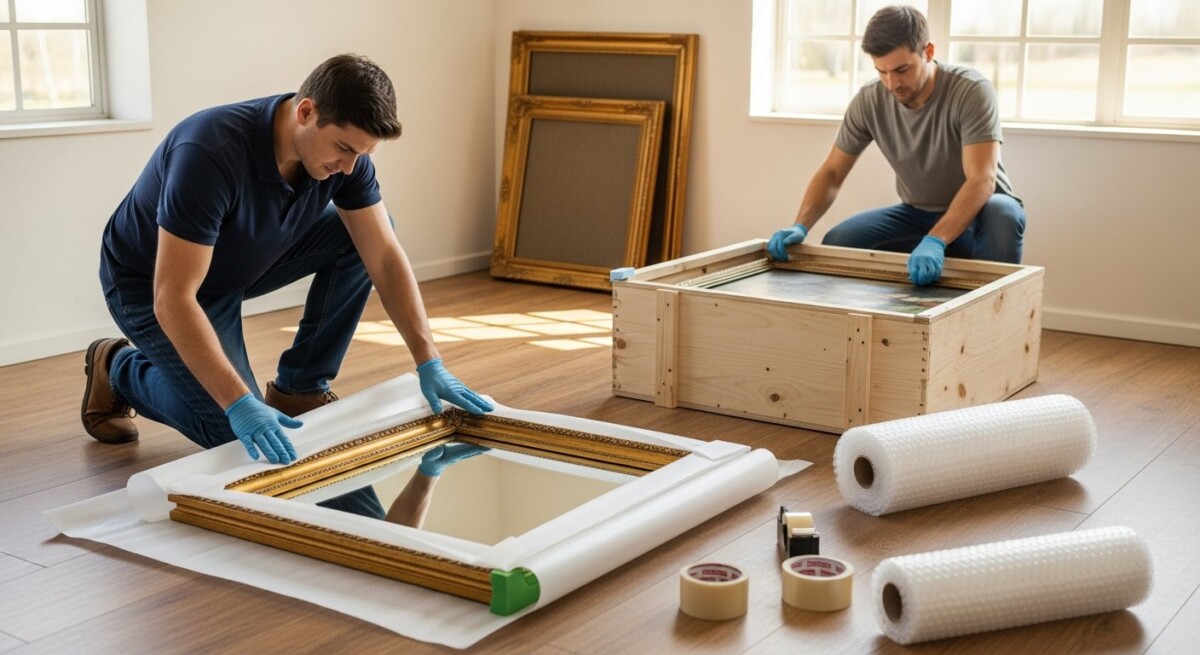
Oil paintings, watercolors, and framed prints each need specific care. For unframed canvases, the first step is to create a protective barrier between the painting and any packing material. Use glassine paper, which is acid-free and non-stick. Lay the painting face up on a clean, flat surface. Cut a sheet of glassine slightly larger than the canvas and gently lay it over the surface. Do not tape the glassine to the canvas itself. Tape it to the back of the stretcher bars instead. Next, wrap the entire canvas in a layer of kraft paper for dust protection. Follow this with a layer of bubble wrap, with the bubbles facing outward away from the painting. Secure the bubble wrap with painter’s tape, not standard packing tape, which can leave residue. For framed pieces, remove the frame from the wall and wrap it separately. Glass can shatter under pressure, so apply a large X of painter’s tape across the glass before wrapping. This holds the shards together if the glass breaks. Then wrap the frame in bubble wrap and corner protectors. Stand framed art upright in a moving truck, never flat on its face.
Furniture and Wooden Antiques
Antique furniture is vulnerable to scratches, dents, and joint separation. Before wrapping, remove all loose parts: drawers, shelves, knobs, and legs if they are detachable. Wrap each component individually in moving blankets or furniture pads. Use furniture-grade stretch wrap to hold the pads in place. Do not let stretch wrap touch the wood surface directly, as it can trap moisture and damage the finish over time. For pieces with intricate carvings or gilded details, use custom corner protectors made from foam or corrugated cardboard. When loading the truck, place heavy pieces like armoires against the walls of the truck and secure them with straps. Lighter pieces should go on top. Never stack anything on top of an antique table or desk. The legs are not designed to bear vertical weight from above.
Ceramics, Glass, and Porcelain
These items are the most fragile. They can crack or shatter from a single hard bump. Start by wrapping each piece individually in acid-free tissue paper. Secure the paper with a small piece of tape. Then wrap the piece in a layer of bubble wrap, making sure the bubbles face inward to provide cushioning. For hollow items like vases or bowls, stuff the interior with crumpled tissue paper or bubble wrap to support the walls from the inside. Place each wrapped piece into a sturdy, double-walled cardboard box. Fill all voids in the box with crumpled kraft paper or foam peanuts. The goal is zero movement inside the box. When you shake the box gently, you should hear nothing. Label the box clearly on all sides: “FRAGILE – CERAMIC” and “THIS SIDE UP.” Do not stack heavy boxes on top of these containers.
Choosing Professional Movers: What to Look For
Not all moving companies are equipped to handle art and antiques. You need a company with a proven track record in specialty moving. Start by asking for referrals from local galleries, museums, or antique dealers. These professionals know who handles their items with care. When you interview potential movers, ask specific questions about their experience with your type of items. Have they moved oil paintings before? Do they have custom crating capabilities on site? Do they use climate-controlled trucks for all long-distance moves? Request a list of references from past clients who moved similar valuables.

Insurance is another critical factor. Standard valuation coverage offered by most moving companies is not enough for high-value items. You need full-value protection or a separate fine arts floater policy. Ask the mover for a certificate of insurance that specifies coverage limits for art and antiques. Compare this with your own homeowner’s or renter’s insurance policy. Some policies exclude valuables during transit. If your coverage has gaps, purchase a specialized moving insurance policy for the duration of the move. Finally, get everything in writing. The contract should list every item being moved, its declared value, the packing materials to be used, and the delivery timeline. A reputable company will have no problem providing this documentation. If a mover hesitates or gives vague answers, consider it a red flag and move on to the next candidate.
Insurance and Liability: Protecting Your Investment
Even with the best packing and handling, accidents can happen. A truck can hit a pothole. A strap can slip. A sudden temperature change can cause a canvas to buckle. Insurance is your safety net. There are two main types of coverage to consider. The first is released value protection, which is usually included for free by moving companies. This covers items at a rate of 60 cents per pound per article. For a 10-pound painting worth $10,000, that means you would receive only $6 in compensation. This is clearly inadequate for art and antiques. The second option is full-value protection. Under this plan, the mover is liable for the replacement cost of any item they damage or lose. You can choose to have the item repaired, replaced, or receive a cash settlement. Full-value protection costs more, typically 1% to 2% of the total declared value of the shipment, but it is essential for high-value moves.
Beyond the mover’s coverage, consider a separate fine arts policy from an insurance broker. These policies are designed specifically for art collections and antiques. They cover damage during transit, while in storage, and even while on display in your new home. They often have no deductible and cover the full appraised value. If you have a collection worth more than $50,000, a standalone fine arts policy is a wise investment. Before you sign any contract, ask your mover for a walkthrough of their claims process. How do they handle a damaged item? Do they require an appraisal? How long does a claim typically take to settle? Knowing the process in advance reduces stress if something goes wrong.
Frequently Asked Questions
Can I pack my own art and antiques for a professional move?
You can, but it is risky. Professional movers often limit their liability for items they did not pack themselves. If you pack a painting and it arrives damaged, the mover may deny the claim. If you choose to pack your own items, use the same materials and techniques that professionals use: acid-free tissue, glassine, bubble wrap, and double-walled boxes. Document the packing process with photos. This evidence can help if you need to file a claim. For extremely valuable pieces, paying for professional packing is worth the peace of mind.
How far in advance should I book a specialty moving company?
At least four to six weeks before your move date. Specialty movers have limited availability, especially during peak moving season from May to September. Booking early ensures you get the team and equipment you need. It also gives you time to complete your inventory, appraisals, and insurance paperwork.
What is the best way to transport a large sculpture?
Large sculptures require custom crating. A professional crating company will build a wooden crate that fits the sculpture exactly. The interior of the crate is lined with foam padding that cradles the sculpture and absorbs vibration. The sculpture is then secured inside the crate with straps or braces. The crate itself is loaded onto a truck using a liftgate or a forklift. Never transport a large sculpture loose in a truck, even with padding. The risk of tipping or shifting is too high.
Should I move my art and antiques myself?
For small, low-value items, a DIY move may be acceptable. For anything worth more than a few hundred dollars or of significant sentimental value, hire professionals. The cost of a specialty mover is a fraction of the cost of replacing a damaged antique or restoring a torn painting. Additionally, professionals have the right equipment, such as padded straps, custom dollies, and climate-controlled trucks, which are not available to most individuals. If you are considering financing your move or purchasing a vehicle to transport items yourself, you might explore options like auto financing for a cargo van or truck, but for true peace of mind, professional movers remain the safest choice.
What should I do if an item arrives damaged?
Document the damage immediately. Take photos of the item, the packaging, and the crate. Note the damage on the delivery receipt before you sign it. Contact the moving company’s claims department within 24 hours. Provide them with your inventory list, the appraisal, and the photos. Follow their claims process exactly. If you have a separate fine arts insurance policy, contact your broker as well. Do not attempt to repair the item yourself before the insurance adjuster has seen it. Premature repairs can void your claim.
Moving art and antiques is not a task to take lightly. The combination of high monetary value, fragile materials, and deep sentimental attachment makes it one of the most challenging types of relocation. However, with careful planning, the right packing materials, a qualified moving team, and robust insurance coverage, you can move your treasures safely from one home to another. Take the time to prepare properly. Your art and your antiques are irreplaceable. Treat them that way.