Piano Transport Cost and Safe Moving Options
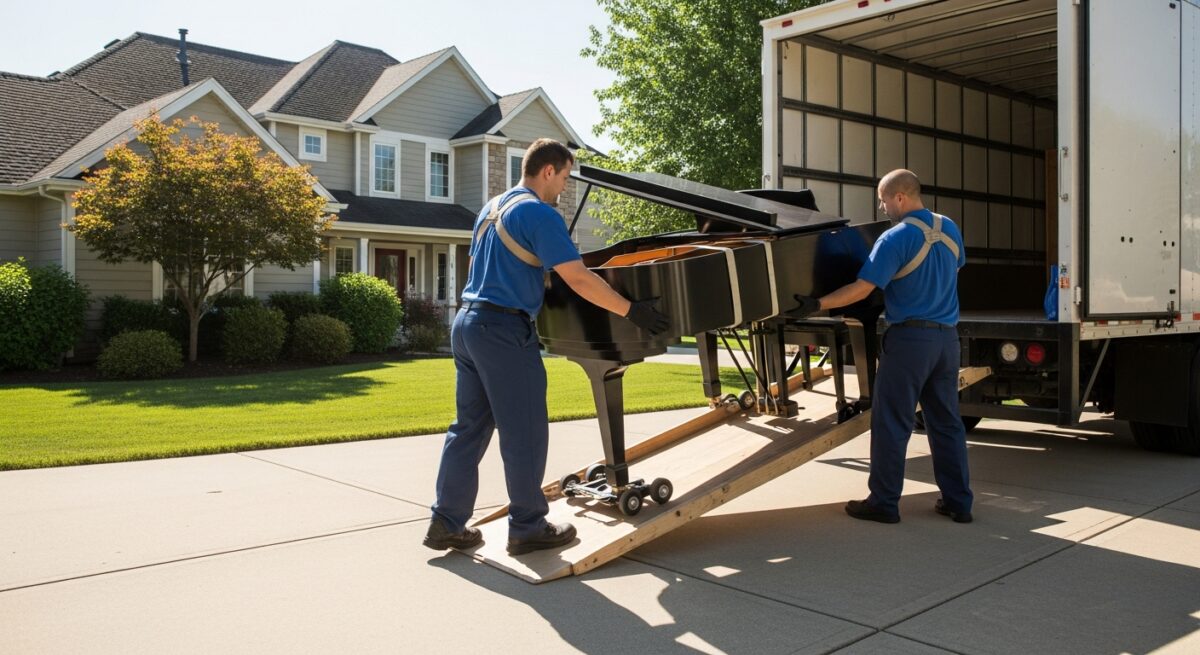
Moving a piano is not like moving a sofa or a bookshelf. A piano is a delicate, heavy, and expensive instrument that requires specialized handling, careful planning, and a clear understanding of the costs involved. Whether you are relocating a grand piano across the country or moving an upright model across town, the stakes are high. One wrong move can lead to thousands of dollars in damage. This article breaks down the true piano transport cost, the factors that influence pricing, and the safest moving options available to protect your investment.
Many people underestimate the complexity of piano moving. A standard moving crew may not have the equipment or training to handle a piano safely. That is why understanding piano transport cost and safe moving options is essential before you book any service. From the type of piano to the distance of the move, every detail matters. Let us explore what you need to know to make an informed decision and avoid costly mistakes.
Key Factors That Determine Piano Transport Cost
The price of moving a piano varies widely depending on several variables. Piano transport cost is not a one-size-fits-all figure. To get an accurate piano moving quote, you need to consider the following factors.
Piano Type and Size: The most significant cost driver is the type of piano. Upright pianos are smaller and lighter, typically weighing between 300 and 500 pounds. Grand pianos can weigh 500 to 1,200 pounds or more, and their size requires specialized equipment like a skid board, piano dolly, and extra movers. A spinet or console piano is easier to move than a concert grand, and the cost reflects that.
Distance of the Move: Local moves (under 50 miles) often charge an hourly rate, while long-distance moves are priced based on mileage and weight. For interstate moves, piano transport cost includes fuel, tolls, and driver time. Long distance piano movers typically provide a flat rate after a virtual or in-person inspection.
Accessibility and Obstacles: The path from your current home to the moving truck greatly affects the price. Stairs, narrow hallways, tight corners, and elevators add time and risk. If the movers need to use a crane to lift a grand piano through a balcony window, expect a significant surcharge. The more obstacles, the higher the cost.
Packing and Crating Materials: Professional piano moving requires specialized packing materials. Moving blankets, shrink wrap, corner protectors, and custom crating for fragile finishes all add to the total. Some companies include basic padding in the quote, but custom crating for a valuable grand piano can cost several hundred dollars extra.
Insurance and Liability Coverage: Basic valuation coverage is often included, but it may only reimburse a tiny fraction of the piano’s value. Full replacement insurance or declared value coverage adds to the piano transport cost but provides peace of mind. Always ask what level of coverage is included in your piano moving quote.
Average Piano Transport Cost Breakdown
To give you a realistic picture, here is a general breakdown of piano transport cost by move type. Keep in mind that prices vary by region, company, and season.
- Local move (under 50 miles): $150 to $600 for an upright piano; $300 to $1,200 for a grand piano. Hourly rates typically range from $100 to $200 per hour, with a two- to four-hour minimum.
- Long-distance move (over 100 miles): $500 to $2,000 for an upright; $1,000 to $4,000 or more for a grand piano. Long distance piano movers often charge by the mile or as part of a larger shipment.
- Stair or elevator fees: $50 to $200 per flight of stairs. Tight turns or narrow doorways may add $100 to $300.
- Packing and crating materials: $50 to $200 for standard padding; $200 to $600 for custom crating.
- Insurance upgrade: 1% to 3% of the piano’s declared value for full replacement coverage.
These figures are averages, not guarantees. Always get at least three piano moving quotes from reputable specialists. A very low quote may indicate lack of insurance or improper equipment, which could lead to damage. A very high quote may include unnecessary extras. Compare the services, not just the price.
Safe Moving Options for Your Piano
Safety should be your top priority. The cheapest option is not always the safest. Here are the most reliable methods for moving a piano without causing damage.
Hire Specialized Piano Movers
Piano movers are not the same as general movers. They have the right equipment, training, and experience. A specialized team uses a piano board, a skid board with straps, and a heavy-duty dolly with rubber tires to navigate stairs and doorways. They also know how to disassemble a grand piano (removing the legs, lyre, and lid) for safe transport. When you hire long distance piano movers who specialize in instruments, you reduce the risk of damage significantly.
In our guide on cross country piano movers cost and safety guide, we explain how to vet moving companies and what red flags to watch for. This resource can help you choose a reliable partner for your move.
Use Proper Packing and Crating
Even the best movers cannot protect your piano if it is not packed correctly. The piano should be wrapped in moving blankets and secured with straps. The keyboard lid should be locked or taped shut to prevent it from opening during transit. For high-value or antique pianos, custom crating is recommended. A wooden crate built around the piano provides superior protection against bumps and weather.
Climate Control and Storage
Pianos are sensitive to temperature and humidity. If your move involves a long transit time or temporary storage, choose a climate-controlled truck and storage facility. Extreme heat or cold can warp the wood, damage the soundboard, and cause tuning instability. Ask your mover if they offer climate-controlled options, especially for cross-country moves.
Consider White-Glove Moving Services
Some moving companies offer a white-glove service for pianos. This includes disassembly, packing, loading, transport, unloading, reassembly, and tuning. While this option costs more, it eliminates the hassle and risk. The movers handle everything from start to finish, and the piano is tuned by a professional after arrival to adjust for the move.
How to Get an Accurate Piano Moving Quote
Getting a reliable quote is crucial for budgeting. Here is a step-by-step process to ensure you receive an accurate estimate.
- Provide detailed information: Tell the mover the exact make, model, and size of your piano. Share photos if possible. Mention any stairs, narrow hallways, or other obstacles.
- Request an in-home inspection: For the most accurate quote, ask the mover to visit your home. A virtual inspection via video call is a good alternative. Avoid quotes given over the phone without seeing the piano or the path.
- Ask for a written estimate: The quote should itemize all fees including packing, disassembly, transportation, stairs, insurance, and any surcharges. A binding estimate protects you from unexpected price increases on moving day.
- Compare three quotes: Do not choose the first company you call. Compare the services and total cost. Look for companies that specialize in piano moving and have positive reviews.
Frequently Asked Questions
How much does it cost to move a piano locally?
Local piano transport cost typically ranges from $150 to $600 for an upright piano and $300 to $1,200 for a grand piano. The price depends on distance, accessibility, and the number of movers required.
Can I move a piano myself to save money?
Moving a piano yourself is risky and not recommended. Pianos are heavy and awkward. You could damage the piano, your home, or injure yourself. Professional equipment and training are essential for safe transport.
Do piano movers include tuning in the service?
Most piano moving quotes do not include tuning. You will need to hire a piano tuner separately after the move. Some moving companies partner with tuners and can arrange the service for an additional fee.
What is the difference between basic and full insurance for piano moving?
Basic coverage typically pays a minimal amount per pound (e.g., $0.60 per pound). Full replacement insurance covers the repair or replacement cost of the piano if damaged. Upgrade to full coverage if your piano is valuable.
How far in advance should I book piano movers?
Book at least two to four weeks in advance, especially during peak moving season (May to September). For long-distance moves, book four to six weeks ahead to secure availability.
Final Thoughts on Piano Transport Cost and Safe Moving Options
Moving a piano is a significant event that requires careful planning, the right professionals, and a clear budget. Understanding piano transport cost and safe moving options helps you avoid surprises and protect your instrument. Whether you are moving a family heirloom or a concert grand, investing in specialized movers, proper packing, and adequate insurance is worth the peace of mind. For those planning a long-distance relocation, working with experienced long distance piano movers ensures your piano arrives in tune and in one piece. If you are looking for other moving services, such as auto transport, you can explore options at startautoloan.com for vehicle shipping needs. Remember to compare quotes, ask the right questions, and never compromise on safety for the sake of saving a few dollars.