Piano Moving Cost: A Complete Pricing Guide
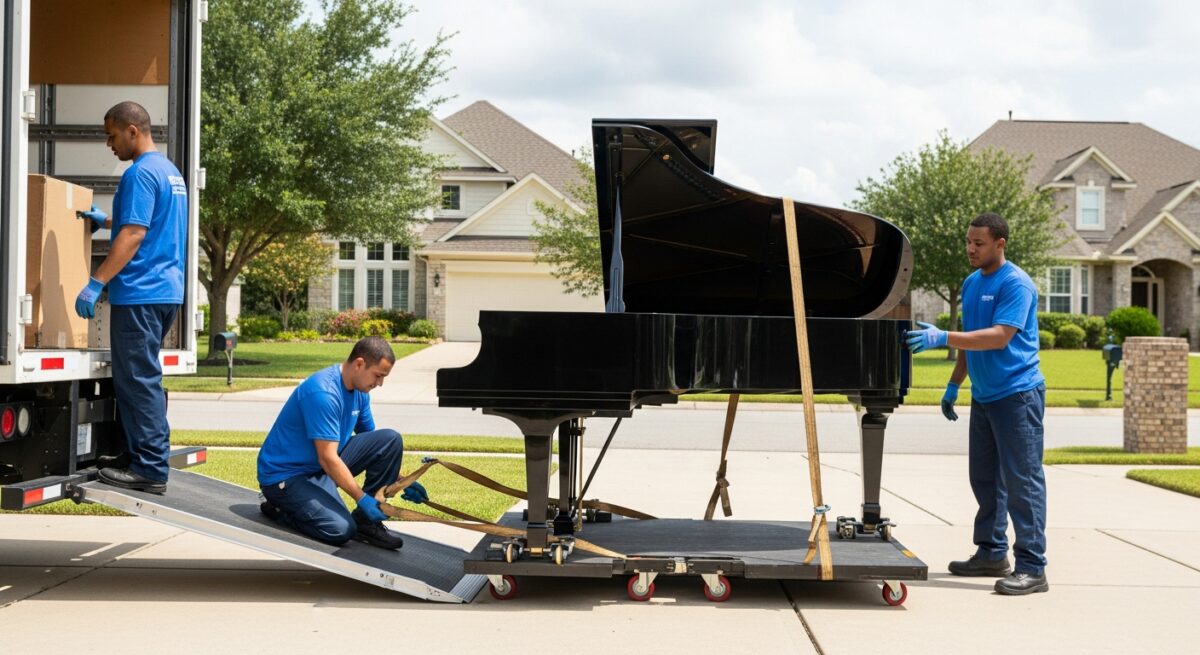
Moving a piano is not like moving a sofa or a bookshelf. A piano is a complex, heavy, and delicate instrument that requires specialized handling. Whether you own a grand piano, an upright, or a digital model, the cost of moving it can vary significantly based on several key factors. Understanding these factors ahead of time helps you budget accurately and avoid surprise fees. This Piano Moving Cost and Specialty Moving Services Guide will walk you through the pricing structure, what to expect from professional movers, and how to choose the right service for your situation.
What Determines the Price of a Piano Move?
Piano mover price structures are not one-size-fits-all. Several variables influence the final quote, and knowing them can help you compare estimates with confidence. The most significant factors include the type of piano, the distance of the move, the number of stairs or elevators involved, and the time of year.
For example, moving a small upright piano across a single floor in a house with wide doorways might cost a few hundred dollars. Moving a nine-foot concert grand up three flights of narrow stairs could cost several thousand. Professional piano moving services typically include insurance, specialized equipment like skids and straps, and a crew of trained technicians. The complexity of the move directly impacts the labor hours required.
Piano Type and Weight
The size and weight of your piano are the primary cost drivers. Here is a breakdown of common types and their approximate weights:
- Spinet or Console: 300 to 400 pounds. These are the smallest upright models and are the most affordable to move.
- Studio Upright: 400 to 500 pounds. Slightly taller and heavier than a spinet.
- Full-Size Upright: 500 to 800 pounds. Common in schools and older homes.
- Baby Grand (4.5 to 5.5 feet): 500 to 650 pounds. Requires dismantling the legs and lyre.
- Grand Piano (5.5 to 9 feet): 700 to 1,400 pounds. Requires a team of at least four movers and a specialized crate.
The heavier the piano, the more labor and equipment are needed. Heavy item movers who specialize in pianos will bring padding, a piano board, and a dolly designed to distribute weight evenly. This equipment protects both the instrument and your home’s floors and walls.
Local vs. Long-Distance Piano Moving Costs
Distance is another major factor. Local moves (under 50 miles) are typically charged by the hour, while long-distance moves are charged by the mile or as a flat rate. For a local move, expect to pay between $150 and $600 for a standard upright piano. Grand pianos usually range from $400 to $1,200 for local moves. These rates include travel time to and from the location.
For long-distance or interstate moves, the cost rises substantially. A long-distance piano move can range from $1,000 to $3,000 or more. This fee covers fuel, tolls, overnight accommodations for the crew if needed, and additional insurance. Some piano mover price quotes also include a separate fee for a climate-controlled truck, which is essential for protecting the piano’s wooden components and tuning stability during temperature changes.
When comparing quotes from piano moving services, ask whether the estimate is binding or non-binding. A binding estimate locks in the price based on the items listed. A non-binding estimate can increase if the movers encounter unexpected obstacles, such as a tighter staircase than anticipated. Always request a binding estimate in writing to protect your budget.
Specialty Equipment and Access Fees
Professional heavy item movers come prepared with specialized tools that general movers do not carry. These tools add to the cost but are essential for a safe move. Common equipment includes:
- Piano skid board: A reinforced platform that allows the piano to slide across carpet or be lifted with straps.
- Furniture pads and shrink wrap: Multiple layers of padding to prevent scratches and dings.
- Straps and harnesses: Used to secure the piano during transport and to lift it over obstacles.
- Ramps and lift gates: Needed if the truck cannot back up close to the entrance.
Access fees can also apply. If the mover needs to park far from the door, use a freight elevator, or navigate a long hallway, those factors increase the labor time and therefore the cost. Some buildings require a certificate of insurance or a refundable damage deposit before allowing a piano move. Ask your mover if they include these administrative tasks in their base price or charge extra.
Stairs, Elevators, and Tight Spaces
Stairs are one of the biggest cost multipliers in piano moving. A straight flight of stairs with a landing may add $100 to $200 to the bill. A curved staircase or one with a low ceiling can double that. Movers may need to tilt the piano or use a specialized stair dolly, which requires extra skill and time. If the piano must be moved through a window or over a balcony, expect a significant surcharge due to the need for a crane or a larger crew.
Elevators are generally easier, but not all elevators are large enough. A grand piano may not fit in a standard passenger elevator. In that case, the movers might need to use a freight elevator or disassemble the piano further. Confirm with your building management ahead of time about elevator dimensions and scheduling restrictions.
Insurance and Liability Coverage
Piano moving services typically offer two types of insurance: released value protection and full value protection. Released value is usually included at no extra charge, but it offers very limited coverage (often 60 cents per pound). For a $15,000 grand piano, that would only cover about $420 in damages. Full value protection costs extra but covers the repair or replacement cost of the piano if it is damaged during the move. This is highly recommended for any piano valued over a few thousand dollars.
Before hiring a mover, verify their insurance certificate. Ask whether their policy covers piano-specific damage, such as cracks in the soundboard or damage to the action mechanism. Some policies exclude internal damage, which is critical for an instrument like a piano. Also, check if the mover is licensed with the Department of Transportation for interstate moves. A reputable mover will provide this documentation without hesitation.
If you are moving a high-value or antique piano, consider purchasing additional third-party insurance. Some specialty insurers offer policies specifically for musical instruments during transit. This extra layer of protection gives peace of mind, especially for vintage or heirloom instruments that are difficult to appraise or repair.
How to Choose a Reliable Piano Moving Service
Not all moving companies are equipped to handle pianos. General household movers may lack the proper training and equipment, which can lead to damage or injury. When searching for piano moving services, look for companies that specifically advertise piano moving as a specialty. Read online reviews on platforms like Google, Yelp, and the Better Business Bureau. Pay attention to reviews that mention piano moves specifically, as they will reveal the company’s expertise in this niche.
Ask potential movers the following questions before booking:
- How many piano moves does your crew perform per month?
- Do you disassemble the piano on-site, or do you move it whole?
- What type of insurance do you carry for piano moves?
- Can you provide references from recent piano moves?
- Do you offer a binding estimate?
A company that hesitates to answer these questions or provides vague answers is a red flag. Professional piano movers are proud of their specialty and will gladly share their experience. For a deeper dive into finding the right team, read our guide on how to find and hire professional piano moving services near you. That resource covers vetting tips, red flags, and questions to ask before signing a contract.
Seasonal Pricing and Timing Considerations
Like many home services, piano moving costs fluctuate with demand. Peak moving season (May through September) often sees higher rates due to increased demand. If you can schedule your move during the off-season (October through April), you may secure a lower price. Some movers offer discounts for mid-week moves or early morning slots.
Weather also plays a role. Extreme heat or cold can affect the piano’s tuning and wooden components. Professional movers will take precautions, such as climate-controlled trucks and slower acclimation periods, but these may add to the cost. If you are moving in winter, confirm that the mover’s truck is heated or at least insulated to protect the piano during transit.
Preparing Your Piano for Moving Day
You can take steps to reduce costs and ensure a smooth move. First, clear a path from the piano’s current location to the exit. Move furniture, rugs, and decorations out of the way. Measure doorways and hallways to confirm the piano will fit. If you have a grand piano, the movers will likely remove the legs and lyre. You can save time by loosening the hardware yourself, but do not attempt to disassemble anything without the mover’s guidance.
Second, secure the piano’s keyboard lid with its lock or with strong tape to prevent it from opening during transport. Remove any loose items from the top of the piano, such as sheet music, metronomes, or decorative items. Finally, communicate any potential hazards to the mover in advance, such as a narrow staircase, a low ceiling, or a fragile floor covering. This allows the crew to bring the right equipment and plan the route accordingly.
After the move, allow the piano to acclimate to its new environment for at least 24 to 48 hours before tuning. Changes in temperature and humidity can affect the tuning stability. Schedule a tuning appointment with a certified piano technician a week after the move to ensure everything sounds its best.
Frequently Asked Questions
How much does it cost to move a piano locally?
Local piano moving costs typically range from $150 to $1,200 depending on the piano size, stairs, and distance. Upright pianos are on the lower end, while grand pianos cost more due to the need for disassembly and a larger crew.
Do I need to tip piano movers?
Tipping is not required but is appreciated for good service. A typical tip is $20 to $50 per mover, or 10% to 15% of the total bill. If the crew handled a difficult staircase or worked quickly, a larger tip is a nice gesture.
Can I move a piano myself to save money?
It is not recommended. Pianos are heavy, awkward, and easy to damage. Attempting a DIY move can result in injury, damage to the instrument, or damage to your home. Professional piano moving services include insurance and proper equipment, which protects your investment.
How far in advance should I book a piano mover?
Book at least two to three weeks in advance, especially during peak moving season. For long-distance moves, book four to six weeks ahead. This gives you time to compare quotes and secure your preferred moving date.
What happens if the piano gets damaged during the move?
If the mover carries full value protection insurance, they will cover the cost of repair or replacement up to the declared value of the piano. Document the piano’s condition with photos before the move. Report any damage in writing to the mover immediately after delivery.
Understanding the factors that influence piano moving costs empowers you to make informed decisions. Whether you are moving across town or across the country, investing in professional heavy item movers protects your instrument and your peace of mind. Start by gathering quotes from multiple piano moving services and asking the right questions. When you are ready to compare pricing and plan your move, get a free moving quote to see what local professionals can offer for your specific situation.
Moving a piano is a significant event, but with the right preparation and a trusted moving team, the process can be smooth and stress-free. Use this guide as a reference, protect your instrument with proper insurance, and always choose a mover who specializes in handling these beautiful, complex machines.