Packing and Crating Services for Valuable Items: A Guide
When you own a fragile antique, a high-value painting, or a delicate piece of electronics, the standard moving box and bubble wrap simply will not do. The risk of damage during transit is too high, and the potential financial loss can be significant. This is where specialized packing and crating services for valuable items become an essential investment. These services go far beyond general moving assistance, offering a level of protection that ensures your most prized possessions arrive at their destination in the same condition they left. Understanding what these services entail and when to use them can save you from costly repairs, insurance headaches, and the emotional distress of losing a cherished item.
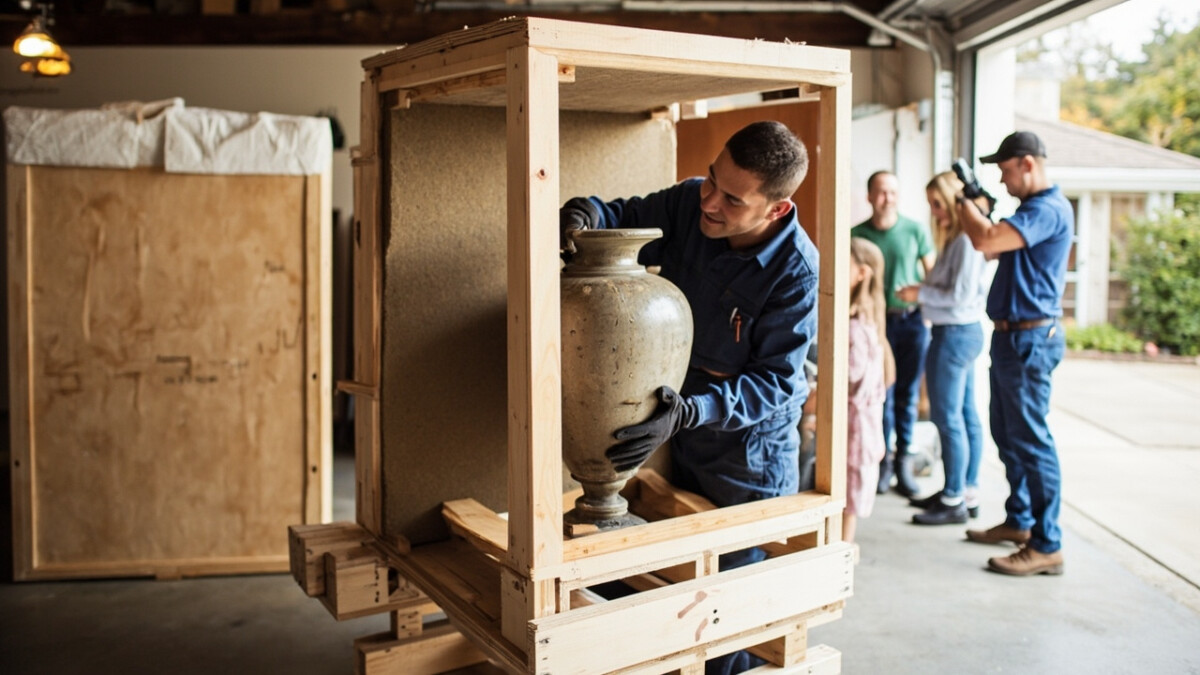
Professional crating services are designed to handle the unique challenges posed by items that are unusually shaped, extremely heavy, or exceptionally fragile. Unlike standard packing, which uses generic boxes and fillers, custom crating involves building a bespoke wooden or heavy-duty corrugated container around the item. This crate is engineered to absorb shocks, resist crushing, and provide a stable environment regardless of the rigors of the moving truck or shipping container. For anyone moving a valuable collection or a single irreplaceable piece, this service is not a luxury, it is a necessity.
When Should You Invest in Professional Crating?
Many people assume that professional crating is only for museums or high-end art galleries. However, the reality is that many household items benefit enormously from this level of protection. The decision to use professional crating should be based on a combination of the item’s value, fragility, and irreplaceability. If the cost of replacing the item is high, or if it has sentimental value that cannot be quantified, custom crating is the right choice.
Consider these scenarios where professional crating services are highly recommended:
- Fine Art and Paintings: Canvas stretched on a frame is incredibly vulnerable to punctures, tears, and pressure damage. A custom crate with a floating frame prevents the artwork from touching the sides of the crate, protecting it from vibrations and impacts.
- Antique Furniture: A 200-year-old dining table or armoire has delicate joinery, intricate carvings, and often unstable finishes. Crating provides a rigid shell that protects these features during loading, transport, and unloading.
- Musical Instruments: Grand pianos, cellos, and vintage guitars are sensitive to temperature, humidity, and physical shock. A climate-controlled crate with custom foam padding is often the only safe way to move them over long distances.
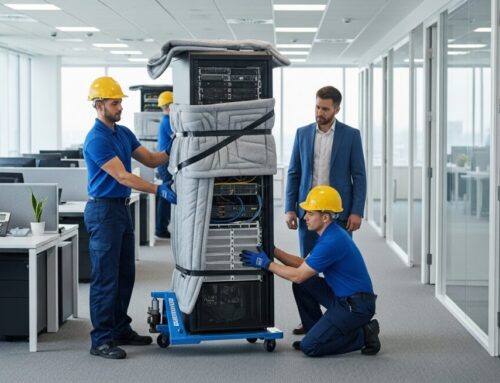
- Large Electronics and Medical Equipment: Server racks, diagnostic machines, and high-end televisions have sensitive internal components that can be damaged by the slightest jolt. Custom crating with anti-static materials and shock indicators is standard practice.
- Collectibles and Sculptures: Marble statues, glass sculptures, and large collections of porcelain or china require individual wrapping and a supportive crate to prevent breakage from shifting during transit.
In each of these cases, the cost of the crate is a fraction of the potential replacement cost. Moreover, most moving insurance policies require items to be professionally packed and crated to qualify for full coverage. If you pack a valuable vase yourself and it breaks, the insurance company may only reimburse you a minimal amount. Professional crating ensures that your items are protected, and it also ensures that you can make a valid claim if something goes wrong.
The Science Behind Custom Crating
Professional crating is not simply about nailing wood together. It is an engineering process that considers the weight, shape, center of gravity, and fragility of the object. The first step is a thorough assessment by a trained specialist. They will measure the item, note any weak points, and decide on the best materials. For example, a heavy marble statue requires a different crate design than a lightweight but fragile glass chandelier.
The construction process typically involves building a base that can bear the full weight of the item. This base is often reinforced with cross-bracing and corner blocks. The item is then carefully placed on the base and secured with straps or blocks to prevent any movement. Next, a frame is built around the item, leaving a gap of several inches on all sides. This air gap is crucial as it acts as a buffer zone. Inside this gap, the item is supported with foam, bubble wrap, or specialized cushioning materials. Finally, the sides and top of the crate are attached, and the entire structure is sealed.
Advanced crating may also include features like climate control liners, which protect against humidity and temperature swings, and shock sensors that record any impacts during transit. These sensors are invaluable when shipping items through multiple handlers or over long distances. They provide a clear record of any mishandling, which is essential for insurance claims. When you choose professional crating services, you are paying for this expertise and the peace of mind that comes with knowing your item is protected by a system designed specifically for it.
How to Choose a Reliable Crating Provider
Not all moving companies offer the same level of crating service. When searching for a provider, you need to look for specific qualifications and processes. A reputable company should be able to show you examples of previous work and provide references. They should also offer a clear, itemized quote that details the materials used and the labor involved. Avoid companies that give a vague estimate over the phone without seeing the item first.
Here are key factors to consider when evaluating a crating provider:
- Experience and Specialization: Look for a company that specifically handles valuable items, such as art and antiques moving specialists. General movers may not have the same level of training or materials.
- Insurance and Liability: Verify that the company carries adequate insurance and understand what their liability is for damage during the crating and moving process. Ask about third-party valuation services if your item is exceptionally valuable.
- Materials Used: Ask about the type of wood, foam, and wrapping materials they use. High-quality virgin kraft paper, acid-free tissue for artwork, and polyethylene foam are signs of a professional operation.
- On-Site Assessment: A reliable provider will insist on seeing the item in person before providing a final quote. This allows them to assess the item’s condition and any specific challenges it presents.
- Transit and Storage Options: If your valuable item needs to go into storage before arriving at its final destination, ensure the provider can offer climate-controlled storage and secure handling protocols.
Once you have selected a provider, communication is key. Make sure you understand the timeline for building the crate, the pickup schedule, and the delivery process. A good provider will walk you through every step and answer any questions you have about the safety of your items. They should also provide documentation of the crating process for your records, which can be helpful for insurance purposes. If you are planning a move soon, you might find it helpful to review our guide on how to pack fragile items for moving without breakage for additional tips on handling delicate belongings.
The Role of Packing and Crating Services in Insurance Claims
One of the most overlooked benefits of professional packing and crating services for valuable items is their impact on insurance claims. Most standard moving insurance, often referred to as Released Value Protection, offers very minimal coverage, usually around 60 cents per pound per item. For a 10-pound vase that is worth $10,000, this would only cover $6.00. To get full replacement value coverage, you typically need to purchase additional valuation coverage, and this often comes with strict requirements.

Insurance companies require that items be packed professionally to qualify for full coverage. If you pack a valuable item yourself and it breaks, the insurance adjuster will likely deny the claim, stating that the packing was inadequate. However, when you use professional crating services, the company provides a packing slip and a certificate of completion. This documentation proves that the item was packed according to industry standards, which significantly strengthens your claim if damage occurs.
Furthermore, the custom crate itself acts as a deterrent against rough handling. Movers and handlers are often more careful with items that are clearly in a custom-built crate, as it signals high value. The crate also provides a controlled environment that minimizes the risk of damage from other items shifting during transit. This dual protection, both physical and procedural, is the primary reason why professional crating is considered the gold standard for moving high-value assets.
Cost vs. Value: Is Professional Crating Worth It?
The cost of custom crating can vary widely depending on the size, complexity, and value of the item. A small crate for a painting might cost a few hundred dollars, while a large crate for a grand piano or a large sculpture could cost several thousand. It is natural to balk at this expense, but it is important to view it as an investment in risk mitigation.
Consider the alternative. If a $5,000 painting is damaged because it was packed in a standard box, you face not only the loss of the painting but also the cost of restoration, which can be even higher than the original value. You also face the emotional toll of losing a family heirloom. Professional crating eliminates nearly all of this risk. For those moving internationally or across the country, the crate also protects against the cumulative stress of multiple loading and unloading events. In this context, the cost of the crate is a small price to pay for certainty. Many moving experts, including those at Moving.Homes, recommend that for any item valued over $1,000 or with significant sentimental value, custom crating is the only logical choice.
Frequently Asked Questions
What is the difference between packing and crating?
Packing typically refers to wrapping items in protective materials like bubble wrap and paper and placing them in a cardboard box. Crating involves building a custom, rigid outer shell (usually made of wood) around the item. Crating offers significantly more protection against impact, crushing, and vibration than standard packing.
Can I build my own crate for valuable items?
While it is possible to build a crate yourself, it is not recommended for high-value items. Professional craters have the engineering knowledge to properly distribute weight, prevent movement, and select the right materials. A poorly built crate can actually cause more damage than a standard box. Furthermore, DIY crates often do not meet insurance requirements for full coverage.
How long does it take to build a custom crate?
The timeline depends on the complexity of the item. A simple crate for a painting can be built in a few hours. More complex crates for furniture or sculptures may take a day or two. It is best to schedule the crating service several weeks in advance of your move to ensure there is adequate time for construction and drying if adhesives are used.
Do crating services include transportation?
Some crating companies are also moving companies and will handle the entire process from crating to delivery. Others specialize only in crating and will coordinate with your chosen moving carrier. It is important to clarify this upfront and ensure that the handoff between services is seamless to avoid any gaps in liability.
What materials are used for crating valuable items?
Professional craters use high-quality materials including plywood or Oriented Strand Board (OSB) for the shell, polyethylene foam for cushioning, acid-free tissue for artwork, and heavy-duty strapping for securing the item. They avoid materials that can off-gas or cause chemical reactions with the item’s surface.
Final Thoughts on Protecting Your Valuables
Moving valuable items is a high-stakes process that demands a professional approach. Whether you are relocating a family heirloom, a prized art collection, or essential business equipment, the safety of these items should not be left to chance. Investing in professional packing and crating services for valuable items provides a level of security that standard moving methods simply cannot match. By working with experienced professionals, you gain the assurance that your items are protected by custom engineering, appropriate materials, and a clear chain of custody. This investment not only preserves the physical integrity of your possessions but also protects your financial investment and provides invaluable peace of mind during a stressful time. For those needing financing for such moving expenses, you may explore options through specialized lending services to help manage costs. Remember, when it comes to the items you treasure most, there is no substitute for professional care.