Moving Containers for Long Distance Moving Cost Guide 2026
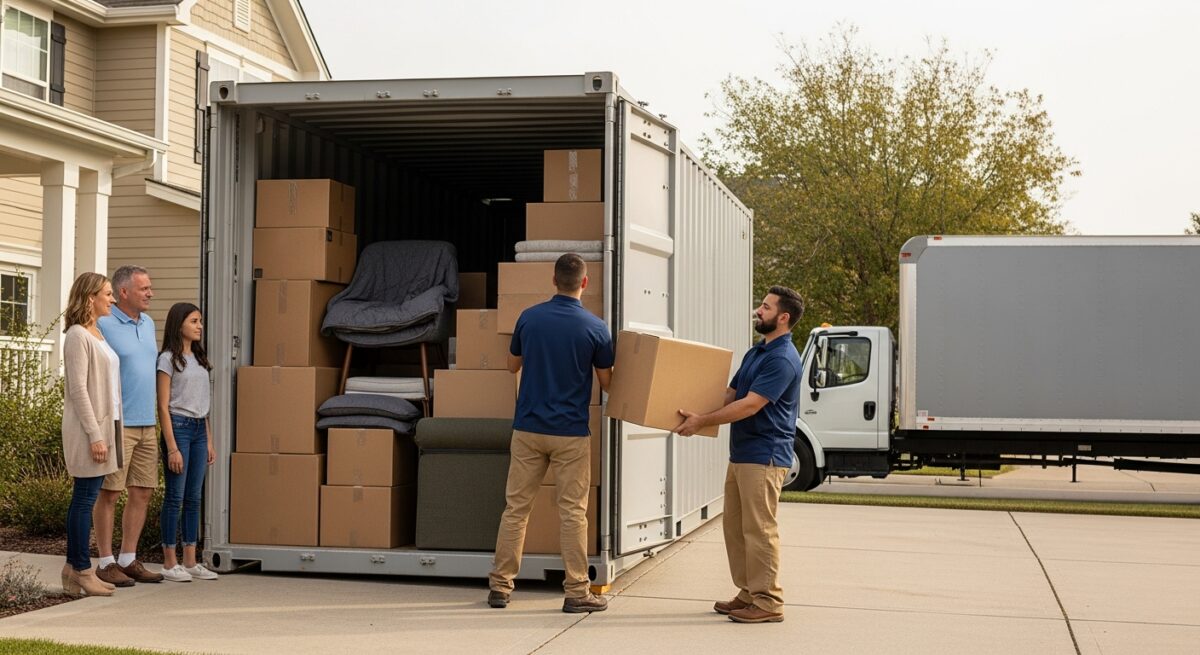
Packing your entire life into a truck and driving it across the country is the classic American moving story. But what if you could skip the truck rental, the 12-hour drives, and the constant worry about your belongings? Portable moving containers, often called pods, offer a modern alternative that blends DIY packing with professional transport. Understanding the true cost of this service is the first step toward a stress-free relocation.
This guide breaks down every fee, factor, and hidden charge you might face when using moving containers for your long distance move. We will cover average pricing, size options, timing considerations, and tips to avoid surprise bills. By the end, you will know exactly what to budget for and how to compare quotes confidently.
How Moving Container Pricing Works
Unlike full-service movers who quote based on weight and labor hours, moving container companies charge a flat fee for the container rental plus variable costs for transport and storage. This structure gives you more control over the final price, but it also means you need to understand each component.
The total cost typically breaks down into five main parts: the container rental fee, the delivery fee, the pickup and transport fee, storage fees (if needed), and insurance. Most companies offer a base price that covers the first month of rental and a specific distance of transport. Anything beyond that adds to the bill.
Container Rental and Size Options
The first cost you will see is the monthly rental for the container itself. Companies like PODS, U-Pack, and 1-800-PACK-RAT offer different sizes, usually measured in square footage or cubic feet. A standard 16-foot container holds the contents of a one-bedroom apartment, while a 12-foot container works for a studio or small two-bedroom home.
Rental fees range from about $100 to $300 per month depending on your location and the company. You pay this fee for every month you keep the container, whether it sits at your old home, in storage, or at your new home. Many companies include the first month in their initial quote, but confirm this before signing.
- Small container (8-12 feet): Best for a studio or one-bedroom apartment. Monthly rental: $100-$150.
- Medium container (12-16 feet): Ideal for a two-bedroom home or small house. Monthly rental: $150-$200.
- Large container (16-20+ feet): Suitable for three-bedroom homes or larger. Monthly rental: $200-$300.
Choosing the wrong size is a common mistake that drives up costs. A container that is too small forces you to rent a second unit or leave items behind. One that is too large wastes money on unused space. Use the company’s online estimator or call their sales team to confirm the right size for your inventory.
Transport Fees: The Biggest Variable
The transport fee is where long distance moving prices really vary. This charge covers the cost of moving your container from your old home to your new home, or to a central storage facility. Companies calculate this based on distance, fuel surcharges, and route complexity.
For a move of 1,000 miles, expect to pay between $1,500 and $3,000 for transport alone. A cross-country move of 2,500 miles can easily cost $3,000 to $6,000. These figures assume you load and unload the container yourself. If you hire the company to pack or unpack, add labor costs.
One major advantage of containers over traditional moving trucks is that you pay for the space you use, not the weight. This can save money if you are moving light furniture but filling a large truck. However, if you have heavy items like pianos or safes, the weight-based pricing of full-service movers might be cheaper.
Storage Costs and Timing Flexibility
Moving containers shine when you need flexible timing. If your new home is not ready on moving day, you can keep the container in a secure storage facility for a daily or monthly fee. This avoids the rush and cost of renting a separate storage unit.
Storage fees typically range from $150 to $300 per month depending on the region and whether the container is stored indoors or outdoors. Some companies offer a free first month of storage, while others charge from day one. Always ask about the grace period and the daily rate if you exceed it.
Timing also affects your total cost. If you book during peak moving season (May through September), expect higher transport rates and longer wait times for delivery. Moving in the off-season can save you 15 to 25 percent on transport fees.
Hidden Fees and Surprise Charges
Even with a flat-rate quote, several hidden fees can inflate your final bill. Knowing these in advance helps you ask the right questions and negotiate better terms.
- Delivery and pickup fees: Some companies charge extra for delivering the container to a street with limited access, a steep driveway, or a location requiring a permit.
- Fuel surcharges: These fluctuate with fuel prices and can add 5 to 10 percent to the transport fee.
- Long carry fees: If the truck cannot park close to your door, the driver may charge for extra walking distance.
- Rescheduling fees: Changing your delivery or pickup date within 48 hours often costs $50 to $150.
- Insurance deductibles: Basic coverage is usually included but has a high deductible. Full-value protection costs extra.
To avoid surprise bills, request a written estimate that itemizes every possible charge. Ask specifically about permit fees, after-hours delivery, and any penalties for exceeding the rental period.
Comparing Moving Containers to Other Long Distance Options
How do containers stack up against the alternatives? Full-service movers handle everything from packing to unloading, but their quotes are often 30 to 50 percent higher than container services. Renting a truck and driving yourself is the cheapest option on paper, but it requires time, fuel, tolls, and physical labor.
Moving containers offer a middle ground. You control the packing and unpacking, which saves labor costs. The company handles the heavy transport, which saves you from driving a large truck across state lines. This balance makes containers ideal for people who want to save money without doing all the driving.
For more details on what to watch for before you commit, read our comprehensive guide on Moving Container Costs: What to Expect Before Booking. That resource covers specific pricing traps and negotiation tips we have seen across hundreds of moves.
Insurance and Liability Considerations
Basic liability coverage is usually included in your rental fee, but it is minimal. Most companies offer $0.60 per pound per item, which means a 50-pound box of electronics is only covered for $30. That is far below the actual value of your belongings.
Full-value protection typically costs 1 to 2 percent of the declared value of your items. For a household valued at $20,000, that means an extra $200 to $400. This coverage pays to repair or replace damaged items without depreciation. It is worth the cost if you have expensive furniture, antiques, or electronics.
You can also check your homeowners or renters insurance policy. Some policies cover items in transit, but many exclude moving containers specifically. Call your insurance agent to confirm and consider purchasing a separate moving insurance policy if needed.
How to Get Accurate Quotes
Getting a reliable quote requires more than just filling out an online form. Follow these steps to compare apples to apples.
- List every major item you plan to move, including furniture, appliances, boxes, and specialty items like pianos or artwork.
- Measure your largest furniture pieces to ensure they fit through the container door. Standard container doors are about 6 feet 8 inches high and 7 feet wide.
- Call at least three companies and ask for a written quote that includes all fees: delivery, transport, storage, fuel surcharge, and insurance.
- Ask about their cancellation and rescheduling policies. A flexible policy is worth paying a small premium.
- Read online reviews focusing on billing accuracy and hidden fees. Companies with consistent complaints about surprise charges should be avoided.
Once you have three quotes, compare the total cost for your specific move distance and timeline. Do not choose solely on the lowest base price. A company with a slightly higher rate but better reviews and transparent billing can save you headaches later.
Frequently Asked Questions
How far in advance should I book a moving container?
Book at least 4 to 6 weeks before your move, especially during peak season. Last-minute bookings often cost more and have limited availability.
Can I pack my container myself?
Yes, that is the main advantage. You load and unload the container yourself. You can also hire local movers to help with loading without involving the container company.
Do I need to be home when the container is delivered?
Most companies require someone to be present for delivery and pickup. Some allow you to leave the container on your property unattended, but you must sign a waiver.
What happens if my new home is not ready on time?
You can keep the container in storage for a daily or monthly fee. This flexibility is a key benefit of using portable containers.
Are moving containers safe from theft or weather?
Reputable companies use steel containers with locking mechanisms. Storage facilities often have security cameras and gated access. Weather damage is rare but consider a waterproof tarp for sensitive items.
Final Thoughts on Budgeting for Your Move
Moving containers offer a practical, cost-effective solution for long distance relocation when you understand the pricing structure. The key is to plan ahead, get multiple written quotes, and ask about every potential fee before committing. By doing your homework, you can enjoy the flexibility of DIY packing without the stress of driving a rental truck across the country.
For those looking to save even more on their move, consider timing your relocation for the off-season and packing efficiently to avoid needing a second container. And if you need to free up cash for your move, exploring options like car loan refinancing could lower your monthly payments and give you more room in your budget. Moving is expensive, but with the right strategy, you can keep costs under control and start your new chapter on solid financial ground.