Moving a House: Cost Factors and What to Expect
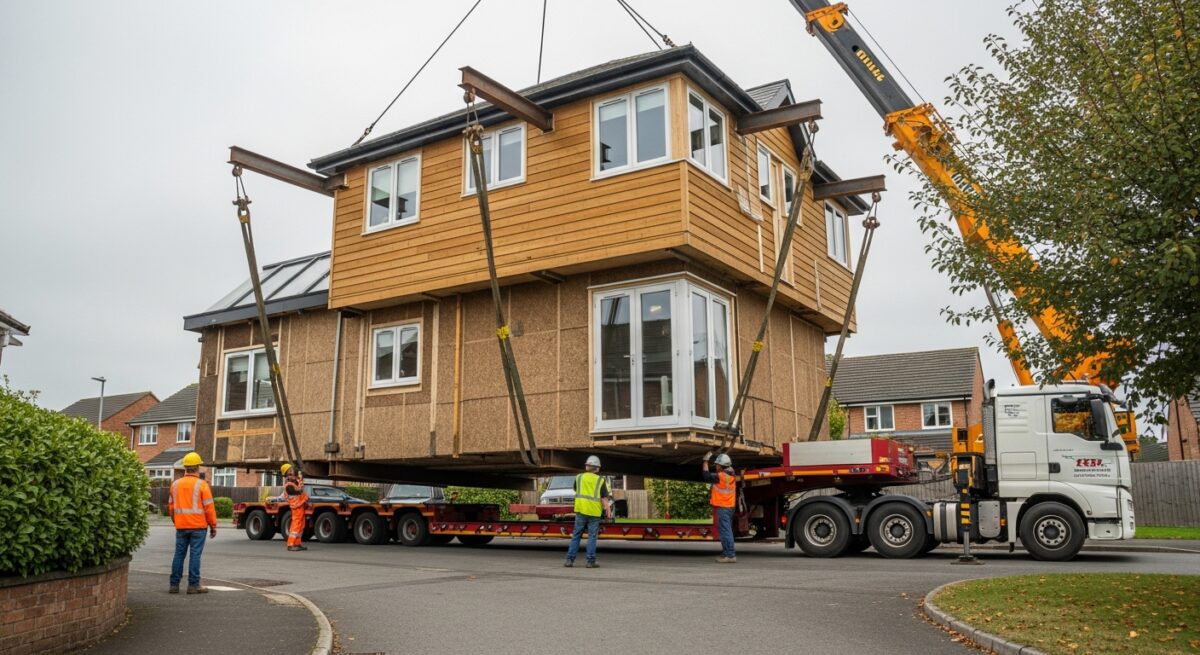
Relocating an entire house, a process known as a structural move, is a monumental undertaking that goes far beyond the typical moving day. It involves physically lifting a structure from its foundation and transporting it to a new location. While the idea can be driven by sentimental value, historical preservation, or even cost savings compared to new construction, the financial and logistical realities are complex. Understanding the cost to move a house, what to expect, and the factors that influence the final price is essential for anyone considering this ambitious project. The moving house price is rarely a simple figure, it is a composite of numerous variables, from distance and house size to the intricacies of the route and necessary permits.
Breaking Down the Core Cost Components
The total price to move a house is not a single fee but a sum of several major cost centers. Each phase of the operation carries its own set of expenses, and underestimating any one can lead to significant budget overruns. The first and often largest portion is the mobilization and moving fee. This covers the moving company’s initial setup, including bringing heavy equipment like hydraulic jacks, steel beams, and dollies to the site. It also includes the labor for preparing the house, disconnecting utilities, and the actual transport using specialized trucks. This fee is highly sensitive to the distance of the move and the weight and dimensions of the structure.
Next are the preparation costs. Before a house can be lifted, significant site work is required at both the old and new locations. At the original site, this involves clearing a path for the house to exit, which may mean removing trees, fences, or even parts of the structure like porches or chimneys that cannot be moved. At the new site, a foundation must be completely prepared and ready to receive the house. This includes excavation, pouring a new foundation (basement, crawl space, or slab), and ensuring all utility connections are stubbed and ready. These site costs are separate from the moving company’s fees and are typically handled by other contractors.
Finally, there are the ancillary but critical costs of permits, insurance, and utility management. Moving a house requires permits from every municipality and county you pass through, as well as from the origin and destination locations. These permits ensure the move complies with road regulations, weight limits, and zoning laws. Insurance is non-negotiable, you need a specialized policy to cover the structure during its vulnerable journey. Furthermore, all utilities (electricity, gas, water, sewer) must be professionally disconnected at the old site and reconnected at the new one, which involves fees from the utility companies and hiring licensed professionals.
Key Factors That Determine Your Moving House Price
While the cost components provide a framework, the final number is dictated by a unique combination of factors specific to your house and move. The first and most obvious is distance. Local moves (under 50 miles) are priced very differently from long-distance relocations. Local moves often have a higher base cost due to setup and preparation, but the transport fee per mile is lower. Long-distance moves involve more complex logistics, escort vehicles, potential overnight stops for crew, and permits across multiple jurisdictions, causing the price to rise significantly with each additional mile.
The size, weight, and construction of your home are the primary determinants of the moving company’s effort. A small, single-story cottage built on a simple frame will be far less expensive to move than a large, two-story Victorian home with brick or stone construction. Heavier materials require more robust equipment and slower, more careful transport. The architectural complexity also matters, a house with multiple wings, steep roofs, or fragile detailing will require more time and care to secure and brace for the move, increasing labor costs.
The route from point A to point B is a major, and sometimes unpredictable, cost driver. Movers must conduct a detailed route survey to identify obstacles. These can include low-hanging power lines, narrow streets, weak bridges, sharp turns, or overpasses with insufficient clearance. Each obstacle requires a solution, which might involve coordinating with utility companies to temporarily raise lines, obtaining police escorts to manage traffic, or even taking a much longer, more circuitous route. Any of these scenarios will add to the final bill. For a deeper look at building a comprehensive budget for any type of move, our guide on average moving costs provides a valuable framework.
To summarize, the main variables that shape your quote include:
- Distance: Local vs. long-distance transport.
- House Specifications: Square footage, number of stories, weight, and construction materials (wood frame, brick, etc.).
- Route Accessibility: Presence of obstacles like wires, trees, narrow roads, or bridges.
- Site Work: Complexity of preparing both the old and new properties, including foundation work.
- Permits and Regulations: Requirements and fees from all involved government entities.
The Process: What to Expect When Moving a Structure
Understanding the process demystifies the cost to move a house and helps set realistic expectations. It begins with a comprehensive consultation and estimate. Reputable moving companies will conduct an in-person inspection of your home and both properties. They will assess the structure’s condition, take detailed measurements, and survey the route. This allows them to provide a detailed, line-item estimate, not a rough guess. Be wary of any company that gives a quote over the phone without seeing the property.
Once you commit, the preparation phase begins. This involves extensive work inside and out. The movers will structurally brace the home from within, reinforcing floors and walls. They will sever the house from its foundation, carefully inserting steel beams underneath to support the entire weight. Externally, porches, decks, or chimneys that cannot travel are removed. Simultaneously, you or your general contractor must ensure the new foundation is complete and passed inspection. All utilities are disconnected, and the path is cleared.
The moving day itself is a carefully choreographed operation. Using hydraulic jacks, the house is lifted and placed onto a multi-axle trailer. The transport is slow, often moving at walking pace, with a lead car and follow car to manage traffic and overhead lines. Upon arrival at the new site, the house is precisely positioned over the new foundation and carefully lowered into place. The job of the movers is typically complete once the house is secured on its new base. The final phase, restoration, is up to you. This includes reattaching any removed elements, connecting utilities, repairing interior finishes cracked during the move, and landscaping both sites. This restoration work can represent a substantial additional cost beyond the moving contract.
Weighing the Investment: Pros, Cons, and Alternatives
Is moving a house worth it? The answer depends heavily on your motivation and the specific numbers. The primary advantage is preservation. For a historic home with irreplaceable craftsmanship or deep sentimental value, moving may be the only way to save it from demolition. In some cases, it can be more economical than building a comparable custom home from scratch, especially if land costs are low. It can also be an environmentally friendly choice, as it reuses an existing structure and materials.
However, the cons are significant. The process is incredibly stressful and disruptive, often taking many months from planning to final restoration. The financial risk is high, unexpected obstacles during the move can lead to costly change orders. There is also inherent risk of damage to the structure, despite the movers’ best efforts. Finally, you are still left with an older home that will likely need updates to systems, insulation, and aesthetics after the move.
Given these challenges, it is crucial to explore alternatives. Demolishing the old house and building new might offer more predictability in cost and timeline, and result in a modern, energy-efficient home. Renovating and expanding the home in its current location could solve space issues without the ordeal of a move. For those committed to the move, hiring experienced professional moving services is the single most important factor in managing risk and ensuring a successful outcome. A qualified structural mover brings the necessary expertise, equipment, and insurance to navigate this complex project.
Frequently Asked Questions
What is the average cost to move a house?
There is no true “average” due to the wide range of variables, but local moves for a small-to-medium home often start in the $50,000 to $100,000 range, excluding new foundation and site work. Long-distance moves can easily exceed $200,000 or more. The only way to get an accurate figure is through detailed estimates from specialized movers.
Can any house be moved?
Not all houses are good candidates. Houses with basements, those made of brittle materials like concrete block, or structures that are too wide for road regulations may be impossible or prohibitively expensive to move. A professional assessment is the first step.
How long does it take to move a house?
The physical lifting and transport might take a day or two for a local move. However, the entire process, from initial planning and permit acquisition to site preparation, the move itself, and final restoration, can take six months to a year or longer.
Does moving a house damage it?
Some minor cosmetic damage, like small cracks in drywall or plaster, is common and expected. Reputable movers take extensive precautions to minimize structural damage. A thorough inspection and contract that outlines responsibility for repairs is essential.
What financing options are available for moving a house?
This is typically financed similarly to a construction project. Options may include a construction loan, a home equity loan on the new land, or personal financing. Traditional mortgages usually do not cover the cost of the physical move itself.
Moving a house is a feat of engineering that requires meticulous planning, a significant financial commitment, and a high tolerance for complexity. By thoroughly investigating the cost to move a house, what to expect, and the factors that influence every dollar, you can make an informed decision. Obtain multiple detailed bids, ask for references, and ensure you have a robust financial buffer for the unexpected. While not the right choice for everyone, for the right home and the right owner, it can be a rewarding journey that preserves a piece of history for generations to come.