Eco-Friendly Moving Practices for a Greener Relocation
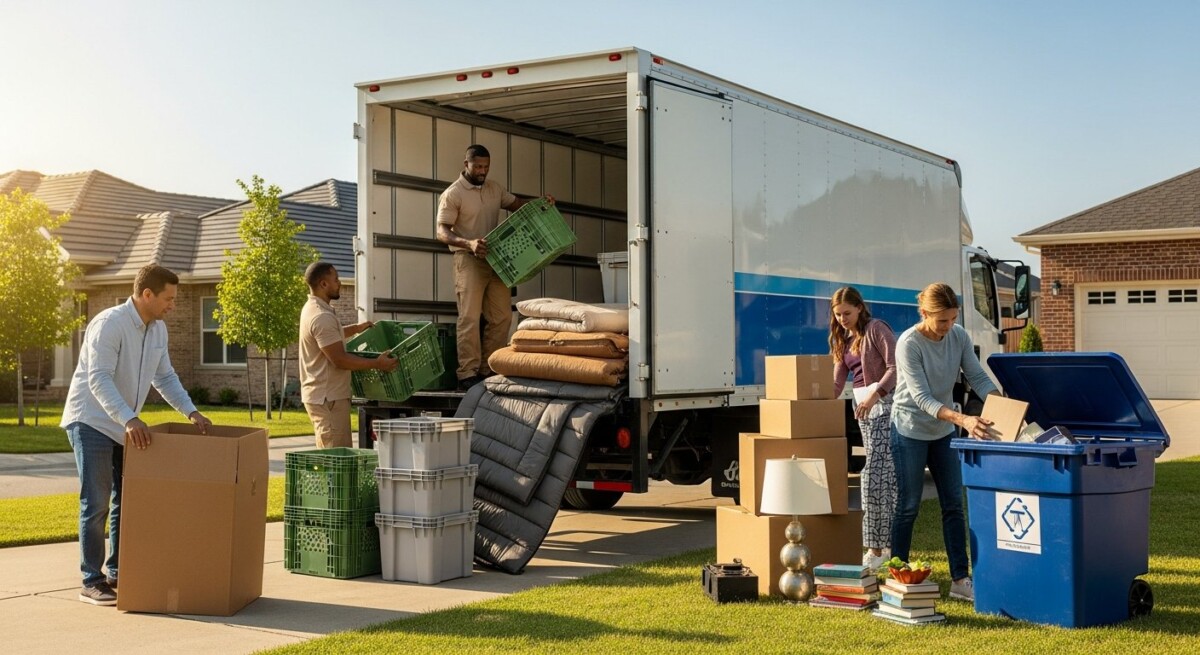
Moving to a new home often comes with a mountain of cardboard, plastic wrap, and diesel fumes. But your relocation does not have to leave a heavy footprint on the planet. By adopting eco-friendly moving practices, you can reduce waste, lower your carbon emissions, and even save money. The key is to plan ahead and make intentional choices about packing materials, transportation, and how you handle items you no longer need. This guide walks you through actionable steps to achieve a sustainable move without sacrificing efficiency or adding unnecessary stress.
Why Green Moving Matters More Than Ever
The moving industry generates an enormous amount of waste each year. Standard moving supplies like single-use cardboard boxes, bubble wrap, and packing peanuts often end up in landfills after a single use. At the same time, the fuel consumed by moving trucks contributes significantly to greenhouse gas emissions. For homeowners and renters who care about environmental impact, embracing eco-friendly moving practices is a practical way to align daily life decisions with broader sustainability goals. Beyond the environmental benefits, green moving often leads to lower costs because you reuse materials, rent reusable crates, or donate unwanted goods instead of paying to haul them away.
Many people assume that a sustainable move requires extra effort or higher expenses. In reality, the opposite is often true. Simple shifts, such as sourcing used boxes or borrowing moving blankets from a professional service, can streamline your packing process and cut down on clutter. The long-term payoff is also significant: you start your new home with less waste and a clearer sense of what you truly need. For families and individuals alike, adopting these habits sets a positive tone for a fresh start.
Plan Your Sustainable Move from Day One
Eco-friendly moving practices begin long before the first box is taped shut. The planning phase is your best opportunity to minimize waste and make informed decisions. Start by taking an inventory of everything you own. This step is not just about counting items; it is about identifying what you no longer use or need. Host a garage sale, list items on local buy-nothing groups, or donate gently used furniture and clothing to charities. By reducing the volume of stuff you move, you directly reduce the number of trips required and the amount of packing materials consumed.
Next, create a timeline that prioritizes sourcing sustainable supplies early. If you wait until the last minute, you will likely grab whatever is available at the nearest big-box store, which often means buying new cardboard and plastic. Instead, schedule a few weeks to collect reusable boxes from local businesses, friends, or online marketplaces. Many grocery stores and liquor stores are happy to give away sturdy boxes that would otherwise be recycled. You can also reserve plastic crates from a moving supply rental company, which eliminates cardboard waste entirely.
Another critical planning step is to choose a moving company that shares your values. Not all movers prioritize sustainability, but many now offer services like reusable totes, fuel-efficient trucks, and carbon offset programs. When requesting quotes, ask about their environmental policies. A reputable company will be transparent about its practices and may even provide tips for reducing your move’s carbon footprint. For example, some movers use biodiesel or optimize routes to minimize fuel consumption. Selecting such a partner makes your sustainable move easier and supports industry-wide change.
Smart Packing: Reduce, Reuse, and Rent
Packing is where most moving waste accumulates, but it is also where you can have the greatest impact. The golden rule of eco-friendly moving practices is to use what you already have before buying anything new. Suitcases, duffel bags, laundry baskets, and even trash cans can serve as containers for clothing, linens, and lightweight items. Wrapping dishes in towels, t-shirts, or blankets provides cushioning without the need for bubble wrap or packing paper. This approach not only saves money but also reduces the number of boxes you need.
When you do need boxes, consider renting reusable plastic crates from a service like Moving.Homes’ packing partners. These crates are durable, stackable, and often come with lids that eliminate the need for tape. After your move, the company picks them up, sanitizes them, and rents them again. This circular system keeps hundreds of pounds of cardboard out of the waste stream. For items that require special protection, such as electronics or fragile art, use biodegradable packing peanuts made from cornstarch or recycled paper instead of Styrofoam. You can find these at most eco-friendly moving supply stores or online retailers.
If you choose to use cardboard boxes, make sure to recycle them properly after the move. Flatten the boxes and place them in a recycling bin, or offer them to someone else who is planning a move. Many local moving groups and social media marketplaces have sections for free moving boxes. By passing them along, you extend their useful life and prevent them from ending up in a landfill. For a deeper look at specific packing strategies, check out our guide on Green Packing Hacks for an Eco-Friendly Move, which covers creative ways to wrap and cushion items without plastic.
Transportation: Lowering Your Carbon Footprint
The journey from your old home to your new one is often the largest source of emissions during a move. To make this leg more sustainable, start by consolidating trips. If you are moving locally, try to transport small loads in your own vehicle before the main moving day. This reduces the number of times the moving truck needs to drive back and forth. For long-distance moves, choose a company that uses fuel-efficient trucks or offers carbon offset programs. Some movers invest in newer fleets that meet stricter emission standards, which can cut fuel consumption by up to 20 percent.
Another option is to consider a hybrid moving strategy. Instead of hiring a full-service mover for the entire distance, you can pack and load your belongings yourself and then hire a trucking company that specializes in consolidated shipping. This method places your items on a truck with other households’ goods, maximizing space and reducing the number of vehicles on the road. While this approach requires more coordination, it can significantly lower the carbon footprint of a cross-country move. If you are moving internationally, look for shipping companies that use low-sulfur fuels or participate in environmental certification programs.

Finally, be mindful of the weight you are transporting. Heavier loads require more fuel. This is another reason to declutter before moving day. Every item you donate, sell, or recycle reduces the total weight of your shipment. In fact, a lighter truck can improve fuel efficiency by 1 to 2 percent for every 100 pounds removed. Over a long distance, these savings add up both financially and environmentally.
Green Cleaning and Disposal on Moving Day
Moving day itself can generate waste from cleaning supplies, food, and last-minute packaging. To keep your move eco-friendly, use non-toxic cleaning products when you clean your old home or prepare your new one. Vinegar, baking soda, and lemon juice are effective for most surfaces and come without harmful chemicals or plastic packaging. If you prefer store-bought cleaners, choose concentrates that you dilute at home in reusable spray bottles. This reduces plastic waste and shipping emissions.
Food waste is another concern on moving day. Plan meals that use up perishable items in the week before your move, or donate unopened non-perishables to a local food bank. On moving day itself, pack a cooler with reusable containers and avoid single-use plastic water bottles. Instead, use refillable bottles and a large jug of water. For snacks, choose bulk items from a grocery store rather than individually wrapped packages. These small changes keep your move clean and green.
When it comes to disposing of old electronics, furniture, or hazardous materials like paint and batteries, never throw them in the regular trash. Many communities offer special collection events or drop-off centers for e-waste and hazardous household items. If you have furniture that is still usable but you do not want it, list it on a freecycle platform or donate it to a nonprofit. Some moving companies even partner with local charities to pick up donations directly on moving day, making it convenient to give items a second life.
Frequently Asked Questions
What are the easiest eco-friendly moving practices to start with?
The simplest steps are to use items you already own for packing, such as suitcases and towels, and to source free boxes from local stores. Renting reusable plastic crates is another easy swap that eliminates cardboard waste. Even declining plastic straws and single-use water bottles on moving day makes a difference.
Are reusable plastic crates really better than cardboard boxes?
Yes, for most moves. Reusable crates are made from durable plastic that can be used hundreds of times before recycling. They do not require tape, they stack securely, and they protect your belongings better than cardboard. Over their lifetime, they generate far less waste than single-use boxes. Many moving companies now offer crate rental as part of their services.
Can I offset the carbon emissions from my move?
Some moving companies and third-party organizations offer carbon offset programs. You can calculate the estimated emissions from your truck’s fuel consumption and purchase offsets that fund renewable energy or reforestation projects. While offsetting is not a perfect solution, it is a meaningful way to balance out the environmental impact of your move when combined with waste-reduction efforts.
How do I find a moving company that prioritizes sustainability?
When researching movers, ask specific questions: Do they use fuel-efficient trucks? Do they offer reusable packing crates? Do they have a recycling program for packing materials? Read reviews and look for companies that highlight green initiatives on their websites. You can also check if they are certified by a recognized environmental program.
Your New Home: Starting Fresh with Green Habits
Once you arrive at your new home, unpack with the same sustainable mindset. Unpack boxes carefully so that you can reuse them or pass them along. Set up a recycling station right away to manage the inevitable paper and plastic that comes with settling in. If you rented crates, clean them and schedule a pickup promptly so the company can reuse them for another family.
Consider this move the beginning of a greener lifestyle. Use the opportunity to choose energy-efficient appliances, install low-flow fixtures, and set up a compost bin in your kitchen. Small decisions like these compound over time, turning your new house into a home that reflects your values. By following eco-friendly moving practices, you not only protect the planet but also create a healthier, more intentional living space for yourself and your family. For those looking to finance sustainable home upgrades or manage moving costs, services like auto loan refinancing can free up monthly cash flow to invest in green home improvements. Every step you take toward sustainability matters, and your move is the perfect place to start.