Mobile Storage Pods Cost and Moving Benefits Explained
Moving is rarely simple. Between packing, coordinating logistics, and managing timelines, the stress can add up quickly. One solution that has gained traction in recent years is the use of mobile storage pods. These portable containers offer a flexible alternative to traditional moving trucks and full-service movers. But what does this service actually cost, and is it worth the investment? This article breaks down the real costs of mobile storage pods and explains the key moving benefits, helping you decide if this approach fits your relocation needs.
How Mobile Storage Pods Work
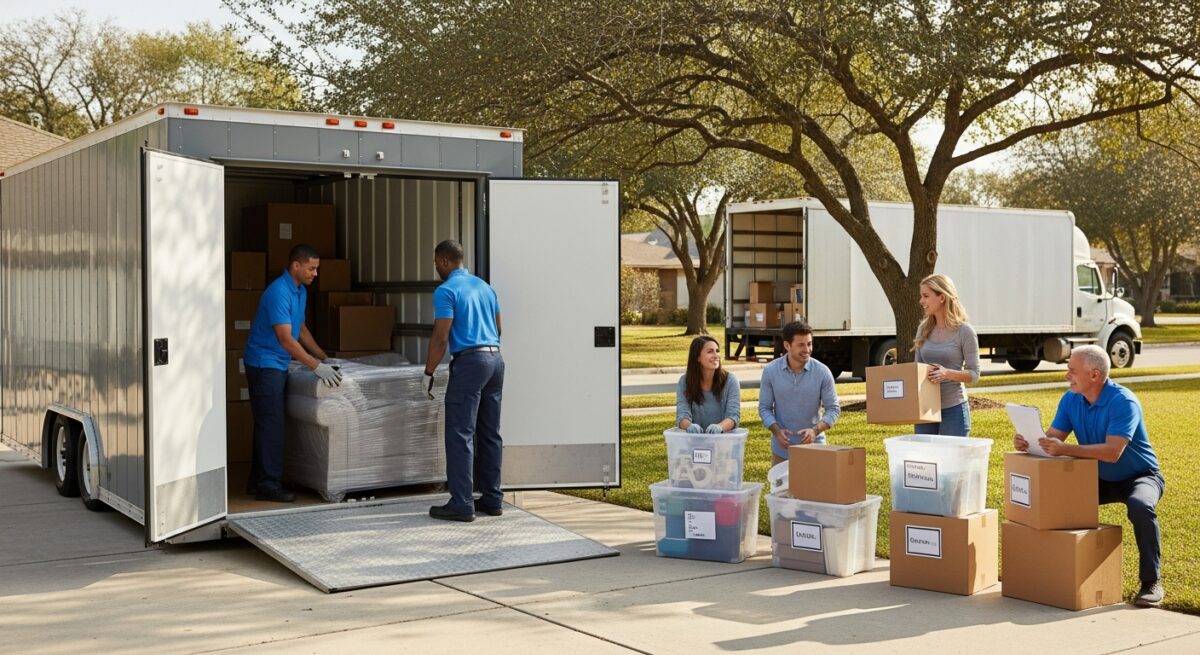
A mobile storage pod is a weather-resistant container delivered to your home. You fill it at your own pace, then the company picks it up and either stores it at a secure facility or transports it to your new location. Unlike a traditional moving truck, you are not rushed by the clock. You control the loading schedule, which can be a major advantage during a chaotic move.
The process typically involves three steps. First, you order the pod size you need. The company drops it off in your driveway or on the street, depending on local regulations. Second, you load your belongings over several days or weeks. Third, you call the company for pickup. They handle the transportation and, if you choose, storage until you are ready for delivery.
Mobile Storage Pods Cost: Breaking Down the Numbers
Understanding the cost of mobile storage pods requires looking at several variables. The final price depends on pod size, rental duration, distance of transport, and whether you need storage. Here is a breakdown of the key cost factors.
Pod Size and Rental Fees
Most companies offer two or three container sizes. A small pod, roughly 8 feet by 6 feet, might cost between $100 and $200 per month for storage alone. A larger 16-foot container can run $200 to $400 per month. These rates apply when the pod is in storage, not during the loading period. Many companies include the first month of storage in the transport fee, but you pay extra for additional months.
Delivery and Pickup Charges
Delivery and pickup fees are separate from the monthly storage rate. These fees cover the cost of dropping off the pod and retrieving it. Expect to pay $50 to $150 for each delivery and each pickup. If you move across state lines, these fees increase significantly due to fuel and labor costs.
Transport Distance
Local moves typically cost less than long-distance relocations. For a local move under 50 miles, the total pod cost might be $500 to $1,000. A cross-country move using pods can range from $2,000 to $5,000 or more, depending on the number of containers and the distance. This price includes transport to the new location and one month of storage if needed.
Additional Fees and Insurance
Always ask about extra charges. Some companies add fees for placing the pod on a street instead of a driveway, or for delivering to a location without a paved surface. Insurance is another consideration. Basic coverage is often included, but it may be minimal. Upgraded insurance adds $10 to $30 per month for peace of mind.
Comparing Pod Costs to Traditional Moving Options
When evaluating mobile storage pods cost, compare them with other moving methods. A full-service moving company charges by weight and distance, often costing $3,000 to $8,000 for a long-distance move. Renting a moving truck yourself is cheaper upfront, typically $500 to $2,000, but you pay for fuel, tolls, and your own labor. Pods sit in the middle: more expensive than a DIY truck rental but often less than full-service movers, especially when you factor in the flexibility of loading over multiple days.
Another advantage: pods eliminate the need to drive a large truck. If you are not comfortable behind the wheel of a 26-foot moving truck, pods remove that stress. You also avoid the pressure of returning a rental truck by a specific time, which can add hidden late fees.
Key Moving Benefits of Using Storage Pods
The benefits of portable moving storage extend beyond cost. Many people choose pods for the convenience and control they offer. Below are the primary advantages.
- Flexible Loading Schedule: You can load the pod over several days or even weeks, reducing the pressure of a single moving day.
- No Truck Driving Required: The company handles all transportation, so you avoid driving a large vehicle.
- Secure Storage Option: Pods double as temporary storage, allowing you to move out before your new home is ready.
- Weather Protection: Most pods are built with durable materials that protect belongings from rain, dust, and pests.
- Reduced Physical Strain: You can load at your own pace, taking breaks as needed without worrying about truck rental deadlines.
These benefits make pods especially attractive for situations where the move date does not align perfectly with the closing date on a home. If you need to vacate your current residence but cannot move into the new one for a week, a pod can bridge that gap. The company stores the container until you are ready for delivery.
When Pods Are the Best Choice
Mobile storage pods work well for specific scenarios. If you are downsizing to a smaller home, a pod lets you sort through belongings without rushing. You can load items over several days, donate or discard what you do not need, and then have the pod transported. For long-distance moves, pods offer a middle ground between cost and convenience. You avoid the expense of full-service movers while still getting professional transport.
Pods are also useful for home renovations. If you need to empty a room for construction, a pod provides temporary storage on site. Once the renovation is complete, you can move items back. This flexibility is hard to match with traditional moving trucks.
Potential Drawbacks to Consider
No moving method is perfect. Pods require space for delivery. If you live in a narrow alley or a neighborhood with strict HOA rules, placing a pod might be difficult. Some cities require permits for pods on the street, and those permits cost extra. Another drawback: you load and unload the pod yourself. If you have heavy furniture or a large household, the physical labor can be exhausting. In that case, you might prefer hiring movers for the loading portion while still using a pod for transport.
How to Get an Accurate Cost Estimate
To get a reliable estimate for mobile storage pods cost, start by researching at least three providers. Request quotes based on your specific move details: the number of rooms, the distance, and the expected storage duration. Ask about all fees upfront, including delivery, pickup, monthly storage, and insurance. Read the fine print for any surcharges related to stairs, long carries, or difficult access. Once you have quotes, compare the total cost, not just the monthly rate. A low monthly fee might hide high transport charges.
For more detailed guidance on planning a move with large items, check out our Cross Country Furniture Moving: Cost and Planning Guide. That resource covers strategies for moving furniture across state lines, including tips that apply to pod usage.
Frequently Asked Questions
How much does a mobile storage pod cost for a local move?
For a local move under 50 miles, expect to pay between $500 and $1,000 for one medium-sized pod. This includes delivery, pickup, and one month of storage if needed. Additional months cost extra.
Are mobile storage pods cheaper than renting a truck?
No, pods are generally more expensive than renting a truck yourself. However, pods offer convenience and eliminate the need to drive a large vehicle. The trade-off is cost for ease of use.
Can I store a pod in my driveway for months?
Yes, most companies allow you to keep the pod on your property for as long as you pay the monthly rental fee. Check with your local municipality for any restrictions on pod placement.
What size pod do I need for a three-bedroom house?
A three-bedroom house typically requires two medium-sized pods or one large pod. Many companies offer a free consultation to help you estimate the right size based on your inventory.
Do I need insurance for the pod?
Basic coverage is usually included, but it may be minimal. Upgraded insurance is recommended if you have high-value items. The cost is typically $10 to $30 per month.
Making the Final Decision
Mobile storage pods offer a compelling mix of flexibility, security, and convenience. The cost is higher than a DIY truck rental but often lower than full-service movers, especially for long-distance relocations. By understanding the pricing structure and weighing the benefits against your specific needs, you can decide if pods are the right fit for your move. Start by getting detailed quotes from multiple providers, and do not forget to factor in the value of your own time and stress levels. A well-planned move is a successful move, and pods can be a key part of that plan. If you are considering this option, take the next step by contacting a reputable provider to discuss your timeline and budget. For those who prefer a hands-off approach, auto financing solutions can sometimes help free up cash for moving expenses, but always compare the total cost before committing.