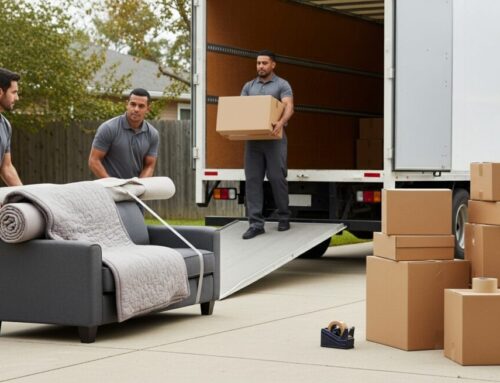
Long Distance Shipping Services for Household Items
Relocating across the country brings a mix of excitement and anxiety. You are leaving behind familiar streets and building a new life in a different state. Yet the thought of packing up everything you own and moving it thousands of miles can feel overwhelming. This is where professional long distance shipping services for household items become essential. Instead of renting a truck and driving it yourself, you can hand the logistics to experts who specialize in moving freight options for families. They handle the heavy lifting, the transportation, and the delivery so that you can focus on the transition ahead.
The moving industry has evolved significantly in recent years. Today, companies offer a range of solutions that go beyond simple truck rentals. You can choose from full-service movers who pack and load everything for you, or you can opt for a more budget-friendly approach where you pack your boxes and they transport them. Understanding these options is the first step toward a stress-free relocation. In this guide, we will walk through the key decisions, costs, and strategies that make long distance household shipping successful.
Understanding Your Long Distance Shipping Options
When you start researching how to move your belongings across state lines, you will encounter several service models. The right choice depends on your budget, timeline, and how much hands-on work you want to do. The most common categories include full-service moving, self-service moving, and freight shipping.
Full-service moving is the most convenient option. A moving company sends a team to your home, they pack everything from dishes to furniture, they load it onto a truck, and they drive it to your new address. They also unload and unpack if you request that service. This option costs more, but it saves you time and physical effort. It is ideal for families who have busy schedules or who are moving a large household with many fragile items.
Self-service moving, sometimes called portable storage, works differently. A company drops off a large container at your home. You pack and load it at your own pace over several days. Then the company picks up the container and ships it to your destination. You unload it there. This option gives you control over packing while still handling the long distance transportation. It often costs less than full-service moving.
Freight shipping is another route. You pack your items into boxes and pallets, and the shipping company loads them onto a shared truck with other customers’ goods. This is common for smaller moves or for shipping specific items like furniture or boxes of household goods. It can be very cost-effective, but you need to handle the packing and loading yourself.
As you compare these options, consider the value of professional packing services. Many people underestimate how much time and skill it takes to wrap a sofa or pack a set of china safely. A professional crew can complete in a few hours what might take you several days. They also bring high-quality materials like dish packs, mattress bags, and furniture blankets that protect your items during transit.
Cost Factors for Household Shipping
Budget is often the top concern for families planning a long distance move. Prices vary widely based on distance, weight, services requested, and the time of year. A typical cross-country move for a three-bedroom home can range from $3,000 to $8,000 or more. Understanding what drives these numbers helps you make informed decisions.
The single biggest factor is the weight of your shipment. Moving companies weigh the truck before and after loading to determine the total pounds they are transporting. Heavier loads require more fuel and more labor. If you are on a tight budget, reducing your belongings before the move is the most effective way to lower your cost. Consider donating, selling, or discarding items you no longer need.
Distance is the second major factor. Moving 500 miles costs less than moving 2,000 miles. Most companies charge a rate per mile for the distance between your old home and your new one. Seasonal demand also plays a role. Summer months, especially June through August, are peak moving season. Rates are higher during this time because demand is high. If you can be flexible, moving in the fall or winter can save you hundreds of dollars.
Additional services add to the total. Packing services, unpacking, furniture disassembly and reassembly, and storage all come with extra fees. Some companies charge for stairs, long carries, or elevators if your home is difficult to access. Always ask for a detailed estimate that breaks down these charges so you can avoid surprise bills later.
One way to protect your budget is to get multiple quotes from different providers. Compare not just the total price but also what is included. A lower quote might exclude packing materials or fuel surcharges. A higher quote might include full valuation coverage and guaranteed pickup and delivery dates. Read the fine print carefully.
How to Prepare Your Household Items for Shipping
Proper preparation is the key to ensuring your belongings arrive in good condition. Even if you hire professional movers, you should take certain steps to protect your valuables. Start by creating an inventory of everything you are shipping. List each box and piece of furniture. This helps you track your items and makes it easier to file a claim if something is damaged or lost.
For fragile items, use the right packing materials. Dish packs with dividers, bubble wrap, packing paper, and sturdy boxes are essential. Avoid using newspaper for direct contact with dishes or glassware because the ink can transfer and stain. Instead, use plain packing paper for wrapping and bubble wrap for extra cushioning. Mark boxes that contain fragile items clearly on all sides.
Electronics require special attention. Back up your data before the move. Remove cables and label them so you know which cord goes to which device. Wrap each component separately in anti-static bubble wrap. If you still have the original boxes, use them. Otherwise, use sturdy boxes and fill any empty space with packing peanuts or crumpled paper to prevent shifting.
Furniture should be disassembled as much as possible. Remove legs from tables and desks. Take apart bed frames. Keep all screws and small parts in a labeled bag taped to the piece of furniture. Wrap furniture in moving blankets or furniture pads to prevent scratches and dings. For upholstered items, consider using plastic covers to protect against dust and moisture.
Finally, decide what not to ship. Moving companies typically exclude hazardous materials like paint, propane tanks, cleaning chemicals, and batteries. They also often exclude perishable food, plants, and important documents. Carry these items with you in your car or ship them separately through a parcel service. Valuables like jewelry, family heirlooms, and important paperwork should travel with you personally.
Choosing a Reliable Shipping Partner
Selecting the right company is perhaps the most important decision you will make. A reputable mover provides peace of mind and protects your investment. Start by checking the company’s licensing and insurance. For interstate moves, the Federal Motor Carrier Safety Administration requires movers to have a USDOT number. You can look up this number to see the company’s safety record and any complaints.
Read online reviews but take them with perspective. A few negative reviews among hundreds of positive ones is normal. Look for patterns. If multiple reviews mention the same problem, such as late deliveries or damaged items, that is a red flag. Also check the company’s rating with the Better Business Bureau. A high rating and accreditation are good signs.
Ask for an in-home estimate whenever possible. Some companies provide estimates over the phone or through a video call, but an in-person visit allows the estimator to see your belongings and assess any challenges like stairs or narrow hallways. This leads to a more accurate quote. Be wary of companies that give a low estimate over the phone and then increase the price significantly on moving day.
Here are key questions to ask before you book:
- What is included in the quoted price and what costs extra?
- Do you offer binding estimates or non-binding estimates?
- What valuation coverage do you provide and what does it cover?
- How do you handle claims for damaged or lost items?
- What is your policy on delivery windows and timing guarantees?
Understanding the answers to these questions helps you compare offers fairly. A binding estimate means the price is locked in. A non-binding estimate means the final cost can change based on actual weight and services. Valuation coverage is not the same as insurance. Basic valuation is usually included at a low rate per pound, but it may not cover the full value of your items. You may want to purchase additional coverage for high-value possessions.
In our guide on how car moving services work, we explain how to transport vehicles safely alongside your household goods. If you are shipping a car as well, consider bundling services with the same company to simplify logistics.
What to Expect on Moving Day and During Transit
Moving day can feel chaotic, but a professional crew follows a structured process. The team arrives at the scheduled time, usually early in the morning. They do a walkthrough of your home to identify all items to be moved. They also note any existing damage to walls or floors. This protects both you and the movers.
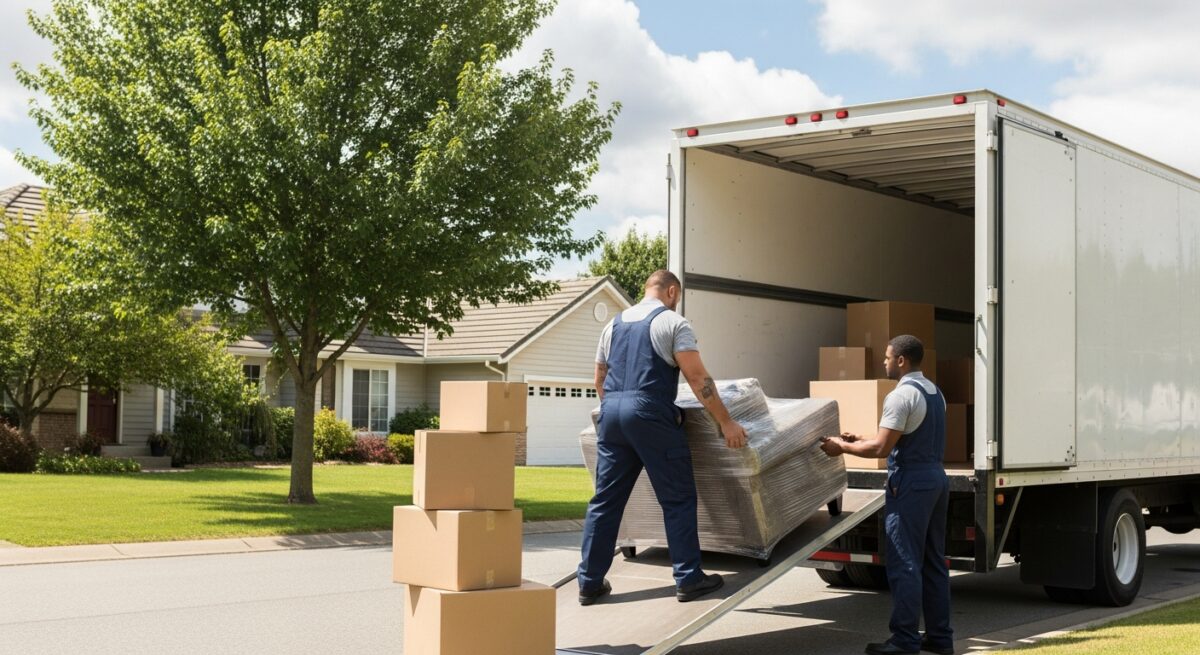
The loading process begins with large furniture and heavy boxes. Crew members use dollies, straps, and ramps to move items safely. They wrap furniture in pads and secure it in the truck. Fragile boxes are loaded last so they are unloaded first at your destination. Throughout the process, the crew leader keeps an inventory list and updates it as items are loaded.
During transit, your belongings are in the care of the driver. For long distance moves, the driver may take multiple days to reach your new home. Some companies use a single truck for the entire journey. Others transfer your goods to a different truck at a hub. Ask about this before you book so you understand the timeline.
Delivery day requires your presence. You should be at the new home when the truck arrives. The crew unloads everything and places items in the rooms you designate. They reassemble furniture if you requested that service. After unloading, you do a final walkthrough to check for damage. Note any issues on the inventory list before you sign off. This documentation is important if you need to file a claim later.
Frequently Asked Questions
How far in advance should I book long distance shipping?
Book at least four to six weeks before your moving date, especially during peak season. This gives you time to compare quotes and secure your preferred dates. Last-minute bookings may limit your options and cost more.
Can I ship my belongings and drive my car separately?
Yes. Many families use a moving company for household goods while driving their personal vehicle to the new home. You can also ship your car separately using an auto transport service. This allows you to travel at your own pace without towing a trailer.
What happens if my items are damaged during shipping?
You should file a claim with the moving company as soon as possible. Document the damage with photos and keep all packing materials for inspection. The company’s liability depends on the valuation coverage you selected. Basic coverage pays a minimal amount per pound. Full replacement coverage pays the repair or replacement cost.
Is it cheaper to move yourself or hire a shipping service?
Renting a truck and moving yourself is usually cheaper in direct costs. However, you must factor in fuel, tolls, lodging, meals, and the physical toll of driving and lifting. For moves over 500 miles, professional shipping often saves you time and reduces the risk of injury or property damage.
How do I prepare appliances for shipping?
Refrigerators, washers, dryers, and other appliances need special preparation. Defrost refrigerators at least 24 hours before the move. Disconnect and drain washing machines and dishwashers. Secure moving parts like drums and shelves. Professional movers can handle appliance preparation for an additional fee.
If you need to secure financing for your move, you can explore options through auto loan services that help cover relocation expenses. While primarily for vehicle purchases, these services can provide the funds you need to manage upfront moving costs.
Final Thoughts on Long Distance Household Shipping
Moving your household across the country is a major undertaking, but it does not have to be a nightmare. By understanding your shipping options, budgeting wisely, preparing your items properly, and choosing a reliable partner, you set yourself up for a successful relocation. Long distance shipping services for household items have made it possible for families to move with confidence, knowing that their belongings are handled by professionals who understand the complexities of cross-country transport. Take your time to research and ask questions. The effort you put into planning will pay off when you walk into your new home and find everything in its place, ready for the next chapter of your life. Learn more