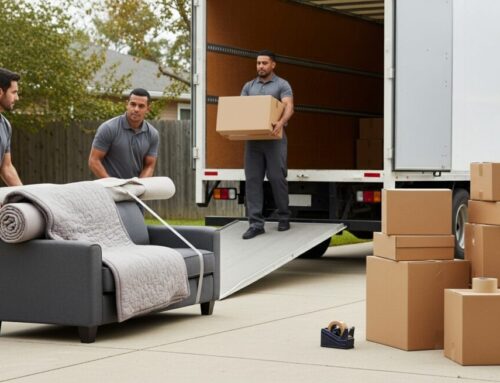
Long Distance Moving Cost Estimate and Pricing Guide

Planning a move across state lines often brings one question to the forefront: how much will this actually cost? Without a clear picture, families can find themselves facing unexpected fees that strain both their budget and their peace of mind. This guide breaks down the true cost of a long distance move, explains how professional movers calculate their rates, and gives you the tools to get an accurate long distance moving cost estimate and pricing guide that fits your situation. By understanding the factors that influence the final price, you can plan with confidence and avoid unpleasant surprises on moving day.
How Moving Companies Calculate Your Rate
Professional movers do not pull numbers out of thin air. They base their quotes on several data points that reflect the complexity and distance of your relocation. The two most common pricing models are binding estimates (a fixed price) and non-binding estimates (an approximate cost that can change based on actual weight or services). For long distance moves, the binding estimate is almost always the safer option because it locks in your long distance moving rates and protects you from last-minute price hikes.
When you request a long distance moving estimate, the mover will typically conduct a virtual or in-home survey. They look at the total weight or volume of your items, the distance between your current home and your new one, the number of stairs or elevators involved, and any special handling needs for items like pianos, artwork, or antiques. Fuel costs, tolls, and the season of your move also factor into the final number. For example, moving during the summer peak season often carries a premium of 20 to 30 percent compared to a winter move.
In our guide on choosing local and long distance movers a smart guide, we explain how to compare estimates from different companies and what red flags to watch for. The key takeaway is that a lowball quote is rarely a bargain. It often leads to extra charges on moving day when the mover claims your items weigh more than originally estimated.
Key Factors That Influence Long Distance Moving Services Cost
Distance and Fuel Surcharges
The farther you move, the more you pay for labor hours, fuel, and vehicle wear. Most long distance moving companies charge a per-mile rate that includes a fuel surcharge. For a move of 1,000 miles, you might see a mileage fee of $1.50 to $3.00 per mile. These charges are usually non-negotiable but should be clearly stated in your written estimate. Ask your mover whether the quoted rate includes fuel or if it is added separately at the end.
Weight or Volume of Belongings
Long distance moves are typically priced by weight. The mover weighs the truck before and after loading to determine the exact weight of your shipment. A typical household of three might ship 5,000 to 8,000 pounds. At an average rate of $0.50 to $1.00 per pound, that translates to a base cost of $2,500 to $8,000. Downsizing before the move can significantly reduce your long distance moving services cost. Consider selling or donating furniture you no longer need.
Packing Services and Supplies
Full-service packing adds convenience but also adds cost. Professional packers can charge $200 to $500 per room depending on the complexity and the number of fragile items. If you pack your own boxes, you save on labor but still need to buy sturdy moving boxes, tape, and bubble wrap. Many moving companies sell packing kits, but you can often find cheaper supplies at local stores or online marketplaces.
Specialty Items and Disassembly
Items that require extra care or disassembly increase the labor time. Grand pianos, pool tables, large exercise equipment, and chandeliers all fall into this category. Movers charge an additional fee for these items, often $100 to $400 per piece. If you can disassemble furniture yourself before the movers arrive, you may reduce this cost. Always disclose specialty items when you request an estimate so the mover can include them in the quote.
Seasonal and Timing Premiums
Demand for moving services peaks between May and September. During these months, rates can be 20 to 50 percent higher than in the off-season. Weekends and the first and last days of the month also command higher prices. If your schedule allows, booking a move on a weekday in the middle of the month or during the winter can result in substantial savings.
How to Get an Accurate Long Distance Moving Estimate
Requesting quotes is the first step, but not all estimates are created equal. To get a reliable long distance moving estimate, follow these steps:
- Schedule an in-home or video survey with at least three different moving companies. A phone-only quote is rarely accurate for a long distance move.
- Provide a detailed inventory of everything you plan to move, including items in the attic, basement, garage, and storage sheds.
- Ask for a binding estimate that guarantees the price unless you add or remove services. Avoid non-binding estimates for long distance moves.
- Request a copy of the mover’s tariff (the official rate schedule) and read the fine print about fuel surcharges, stair carries, and long-carry fees.
- Check the company’s USDOT number and verify their safety record and complaint history on the FMCSA website.
Once you have three estimates in hand, compare them line by line. The cheapest quote is not always the best value. Look for companies that offer guaranteed pricing, professionally trained movers, and 24/7 customer support. A reputable mover will explain every charge and answer your questions without pressure.
Additional Costs You Should Expect
Beyond the base rate, several other expenses can affect your total bill. Storage fees apply if your new home is not ready on time. Most movers offer storage at a daily or monthly rate, typically $50 to $150 per month for a small unit. If you need temporary storage, ask whether it is included in your quote or charged separately.
Insurance is another critical factor. Basic valuation coverage is often included at no cost, but it only reimburses 60 cents per pound per item. That means a damaged $2,000 sofa would only fetch about $30. Full-value protection costs extra (usually 1 to 2 percent of the declared value of your goods) but covers repair or replacement. For high-value moves, the added peace of mind is worth the investment. You can also explore third-party moving insurance for broader coverage, similar to how you might compare rates for other financial protections to find the best value.
Tips for the moving crew are customary but not required. A tip of $20 to $50 per mover is standard for good service. If the move is particularly difficult or the crew goes above and beyond, you might tip more. Budget for tips as part of your overall moving expense.
How to Save Money on Your Long Distance Move
Smart planning can reduce your long distance moving rates without sacrificing quality. Start by decluttering and selling items you no longer need. A lighter load means a lower weight-based price. Pack your own belongings using free or low-cost materials like used boxes from local stores or online community groups.
Choose a flexible moving date. If you can move mid-week, mid-month, or during the off-season, you will pay significantly less. Some companies offer discounts for customers who book early or pay a deposit upfront. Ask about these options when you request your estimate.
Consider a hybrid move where you handle some tasks yourself and hire professionals for the heavy lifting. For example, you could pack all non-fragile items and let the movers handle furniture and boxes. This approach balances cost savings with the convenience of professional service.
Frequently Asked Questions
How much does a long distance move cost on average?
For a typical household moving 1,000 miles, the average cost ranges from $2,500 to $8,000. This depends on weight, distance, services selected, and the time of year. A binding estimate from a reputable mover gives you the most accurate picture.
What is the difference between binding and non-binding estimates?
A binding estimate guarantees the total cost based on the services and weight listed in the contract. A non-binding estimate is an approximation, and the final price can change based on actual weight or additional services. For long distance moves, always choose a binding estimate to avoid surprise charges.
Do I need to be present for the estimate?
Yes, for a long distance move, most reputable companies require an in-person or virtual survey. This allows them to see your belongings and discuss any special requirements. A phone-only estimate is often inaccurate and may lead to disputes later.
Can I negotiate the moving price?
You can ask for discounts, especially if you are flexible with dates or willing to pack your own items. Some movers offer price matching if you show them a lower quote from a competitor. It never hurts to ask, but be cautious of any company that drops its price too dramatically without explanation.
What should I do if the final bill is higher than the estimate?
If you have a binding estimate, the mover cannot charge you more than the agreed amount unless you add services or change the scope of the move. If the mover tries to charge more without justification, you can file a complaint with the FMCSA. Always review the final bill carefully before paying.
Moving across the country is a significant financial and logistical undertaking, but it does not have to be overwhelming. By understanding how movers price their services and what factors influence the final cost, you can secure a fair and accurate long distance moving cost estimate and pricing guide that fits your budget. Start early, compare multiple quotes, and ask every question that comes to mind. With the right preparation, your move can be a smooth transition rather than a financial headache.