Long Distance Movers and Packers Guide: Tips for 2026
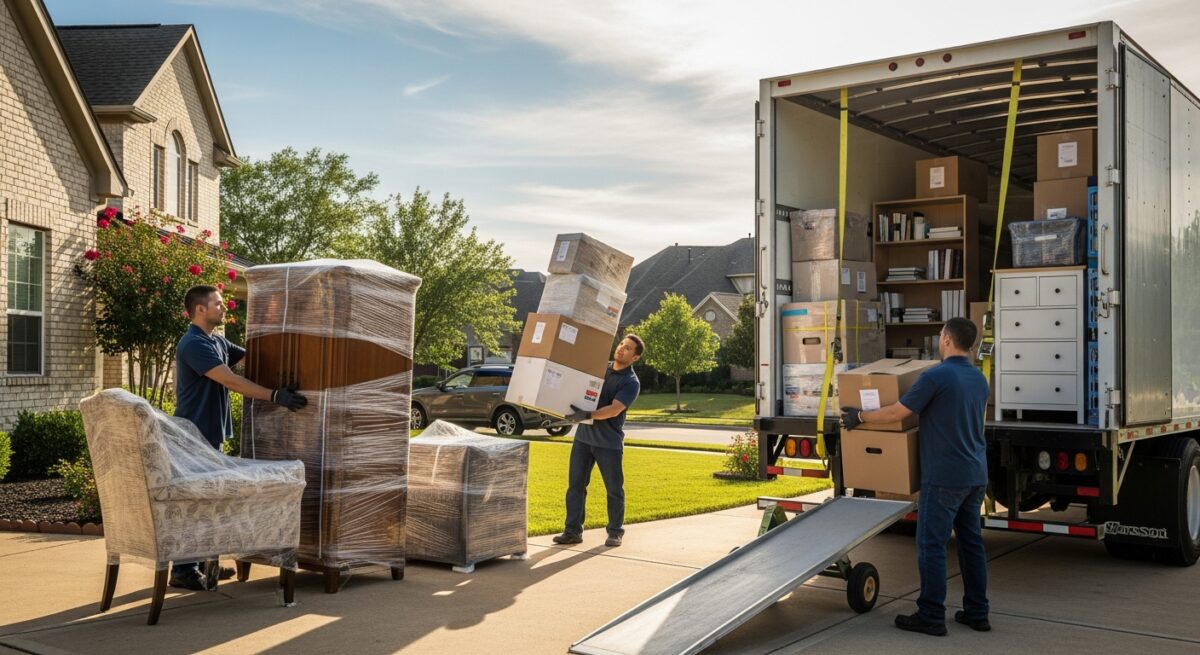
Moving across the country is a major life event that involves careful planning, physical labor, and financial coordination. Whether you are relocating for a new job, family reasons, or a fresh start, the logistics of a long distance move can quickly become overwhelming. This is where a professional long distance movers and packers guide becomes invaluable. It helps you navigate the complexities of choosing a reliable moving company, packing your belongings safely, and managing the timeline without unnecessary stress. In this article, we will walk through every critical step, from selecting the right service provider to unpacking in your new home, ensuring you feel confident and prepared for the journey ahead.
Many people underestimate the amount of preparation required for a move that spans hundreds or thousands of miles. Unlike local moves, long distance relocations involve strict weight limits, detailed inventory lists, and coordination with a moving team that may operate across state lines. A structured approach saves time, money, and frustration. By following a proven long distance moving services framework, you can avoid common pitfalls such as surprise fees, damaged items, or delayed delivery. Let us begin with the most important decision you will make: choosing the right moving partner.
How to Select the Best Long Distance Moving Company
The foundation of a successful relocation is the moving company you hire. Not all movers are created equal, and the stakes are higher when your possessions travel a great distance. Start by gathering at least three written estimates from licensed and insured carriers. Reputable movers will conduct an in-home or virtual survey to assess the volume of your belongings before providing a binding quote. Avoid companies that give a low estimate over the phone without seeing your items, as this often leads to price increases on moving day.
Check the company’s USDOT number through the Federal Motor Carrier Safety Administration (FMCSA) to verify their registration and safety record. Read customer reviews on independent platforms, paying attention to comments about hidden fees, communication, and timeliness. A reliable mover will offer a clear contract that outlines pickup and delivery dates, payment terms, and a process for handling claims. For a deeper look at cost-saving strategies, refer to our guide on Affordable Long Distance Moving Companies: How to Save Money, which explains how to negotiate rates and avoid common financial traps.
When evaluating movers and packers long distance, consider their specialty services. Do they offer custom crating for fragile items? Can they handle piano or artwork transport? Do they provide temporary storage if your closing dates do not align? Asking these questions early ensures you choose a company that matches your specific needs. Professional movers should also be transparent about their insurance options. Basic coverage is often minimal, so you may want to purchase additional valuation protection for high-value items.
Creating a Realistic Moving Timeline
Time management is a critical component of any long distance movers and packers guide. A typical cross-country move requires at least eight weeks of preparation, starting with research and ending with final walkthroughs. Break the process into phases to avoid last-minute chaos. During weeks eight through six, focus on decluttering, obtaining quotes, and booking your mover. During weeks five through three, begin packing non-essential items, notify utility companies, and change your address with the postal service. In the final two weeks, pack daily essentials, confirm all travel arrangements, and prepare your vehicle for the journey.
One often overlooked detail is coordinating your moving day with your new home’s availability. If you are moving into a rental, confirm the lease start date. If you purchased a home, align the closing date with the mover’s delivery window. Build in a buffer of two to three days in case of delays due to weather or logistical issues. Professional long distance moving services often provide a range of delivery dates rather than a single day, so plan accordingly. Having a flexible schedule reduces anxiety and gives you room to handle unexpected situations.
Packing Strategies for a Long Distance Move
Packing for a long distance move requires a strategic mindset. Your belongings will be loaded onto a truck, travel potentially for days, and be unloaded in a new environment. Proper packing minimizes damage and makes unpacking easier. Start by gathering high-quality supplies: sturdy boxes in various sizes, packing tape, bubble wrap, packing paper, and markers. Avoid using old or damaged boxes, as they may collapse under weight. For specialty items like mirrors or electronics, invest in dish packs or wardrobe boxes designed for transport.
Use a room-by-room approach. Pack one room completely before moving to the next, and label each box with its contents and destination room. Create a master inventory list with a number assigned to each box. This helps you track items and makes the claims process smoother if something goes missing. For fragile items, wrap each piece individually and fill empty spaces in the box with crumpled paper or foam. Do not overload boxes; keep them under 50 pounds to prevent injury and ensure safe stacking. Here are three packing rules to follow for long distance moves:
- Pack a separate “essentials box” for each family member with toiletries, a change of clothes, medications, and important documents. Keep these with you rather than loading them on the truck.
- Disassemble furniture whenever possible. Remove legs from tables, take apart bed frames, and store screws in labeled bags taped to the furniture piece.
- Use color-coded tape or stickers on boxes to indicate priority. Red for immediate unpack, blue for seasonal items, green for storage. This saves time when you arrive.
After packing is complete, do a final walkthrough of your home. Check closets, cabinets, attic, and garage for any forgotten items. Take photos of your empty rooms as a record of the condition of the property for your security deposit or sale agreement. Professional movers and packers long distance teams often offer full packing services, which can be a worthwhile investment if you have limited time or physical ability. They bring trained staff and industrial-grade materials, ensuring your items are secured for the journey.
Understanding Costs and Avoiding Hidden Fees
Budgeting for a long distance move involves more than just the mover’s base rate. Additional costs can include packing supplies, storage fees, fuel surcharges, and charges for carrying items up stairs or over long distances. A comprehensive long distance movers and packers guide should help you anticipate these expenses. Request a detailed estimate that breaks down every line item. Ask the mover to explain any terms you do not understand, such as “third-party service fees” or “valuation coverage.”

One common source of surprise bills is weight re-weighing. Movers often estimate your shipment’s weight and then weigh the truck before and after loading. If the actual weight exceeds the estimate, you may owe more. To protect yourself, ask for a binding estimate that locks in the price based on the estimated weight. Alternatively, request a not-to-exceed estimate, which means you pay the lower of the estimated or actual weight. Always confirm payment methods and deposit requirements. Legitimate movers typically require a deposit of no more than 20% of the total cost, with the balance due upon delivery. Avoid cash payments or large upfront sums.
Insurance is another area where costs can vary. Basic liability coverage is usually included but offers minimal protection, often calculated at 60 cents per pound per item. For valuable items like jewelry, art, or electronics, consider full-value protection. This covers the replacement cost of any item lost or damaged during the move. While it adds to the upfront expense, it provides peace of mind for your most prized possessions. Compare quotes from multiple movers to find the best balance of service and price.
Managing Moving Day and Delivery
Moving day is the culmination of weeks of planning. Be present when the movers arrive to walk through the house and answer any questions. Point out fragile items and provide the driver with your contact information and the address of your new home. Keep your essentials box, phone charger, wallet, and keys with you at all times. If you are driving separately, make sure your vehicle is packed and ready to go. Confirm the estimated time of arrival with the driver and get a contact number for the dispatch office in case of changes.
During the loading process, stay nearby but out of the way. Movers appreciate a clear path and access to outlets for equipment. If you notice any issues, such as improper handling of a heavy item, speak up politely. After the truck is loaded, do a final inspection of the property to ensure nothing is left behind. Close and lock all windows and doors, and hand over keys if required. For the drive, plan your route and book accommodations in advance if the trip takes multiple days. Keep your moving contract and inventory list accessible in case you need to reference them.
Delivery day can be just as demanding as loading day. When the truck arrives, inspect each item as it is unloaded. Check for visible damage and note any issues on the driver’s inventory sheet before signing. If you discover damage later, take photos and contact the mover immediately. Most moving companies have a limited window for filing claims, often 30 days from delivery. Unpack systematically, starting with the essentials box and then moving to priority rooms like the kitchen and bedrooms. Take your time arranging furniture and organizing closets. The transition to a new home is a process, so be patient with yourself and your family.
Frequently Asked Questions
How far in advance should I book a long distance mover?
Most professional movers recommend booking at least four to six weeks before your desired moving date. During peak season (May through September), you may need to reserve even earlier, sometimes eight to ten weeks in advance. This ensures availability and gives you time to compare quotes.
What items are typically not allowed on a moving truck?
Movers generally prohibit hazardous materials such as gasoline, propane tanks, paint thinners, and fireworks. Perishable food, plants, and pets are also excluded. Valuable items like cash, jewelry, and important documents should travel with you. Check with your mover for a complete list of restricted items.
Can I pack my own belongings for a long distance move?
Yes, you can pack your own items, but the mover may not be liable for damage if the packing was inadequate. If you choose to pack yourself, use proper materials and techniques. Many people find that hiring professionals for fragile or bulky items is worth the cost for long distance moves.
How is the cost of a long distance move calculated?
Costs are typically based on the total weight of your shipment and the distance traveled. Additional factors include the number of movers needed, packing services, special handling for heavy items, and any storage fees. A binding estimate locks in the price, while a non-binding estimate can change based on actual weight.
Final Thoughts on Your Long Distance Move
Relocating across the country is a significant undertaking, but with the right preparation and professional support, it can be a smooth and positive experience. A comprehensive long distance movers and packers guide like this one gives you the knowledge to make informed decisions, from selecting a trustworthy mover to packing efficiently and managing your budget. Remember to give yourself plenty of time, communicate clearly with your moving team, and prioritize the safety of your belongings. Whether you are moving for work, family, or adventure, the effort you invest in planning will pay off when you walk through the door of your new home ready to start the next chapter. For additional resources and personalized assistance, visit Moving.Homes to explore our full library of relocation guides and connect with professional moving services tailored to your needs. Learn more