Interstate Van Line Services for Long Distance Moves
Planning a move across state lines can feel overwhelming. You are not just moving your belongings; you are uprooting your life and starting a new chapter. The difference between a stressful relocation and a smooth one often comes down to the team you trust. This is where understanding interstate van line services and long distance moves becomes essential. A professional interstate van line does more than transport boxes. It coordinates logistics, protects your valuables, and provides peace of mind during a major transition. By choosing the right partner, you can transform a chaotic experience into an organized, manageable process. This article breaks down what these services include, how to select a reliable provider, and what you can expect from a long distance move with a national moving company.
What Defines Interstate Van Line Services
Interstate van line services refer to professional moving operations that transport household goods across state borders. Unlike local movers who operate within a single city or region, an interstate van line must comply with federal regulations set by the Department of Transportation. These companies employ trained drivers who handle long hauls, often covering hundreds or thousands of miles. The term “van line” originally described a fleet of moving vans, but today it represents a network of agents and carriers working together to provide seamless relocations.
When you hire an interstate mover, you are engaging a service that manages the entire journey. This includes packing your items, loading them onto a truck, driving them to your new home, and unloading them. Many national moving companies also offer storage options if your closing dates do not align. The key difference from a local move is the complexity. Crossing state lines introduces weight-based pricing, fuel surcharges, and longer transit times. A reputable interstate van line will explain these factors upfront and provide a binding estimate to protect you from surprise fees.
The Role of Interstate Movers in Your Relocation
Interstate movers act as the primary coordinator for your cross-country move. They schedule the pickup, manage the route, and communicate with you about delivery windows. Because these moves involve multiple legs, a good mover will provide tracking updates so you know where your belongings are at all times. You can think of them as the project manager for your relocation.
One of the greatest benefits of using a national moving company is access to resources that local movers cannot match. These companies have larger fleets, more packing supplies, and specialized equipment for fragile items like pianos or antiques. They also invest in training programs for their crews, ensuring consistent service quality across different regions. For example, a family moving from Chicago to Phoenix can rely on the same standards whether the crew is based in Illinois or Arizona. This consistency reduces the risk of damage and miscommunication.
How to Choose the Right Interstate Van Line
Selecting an interstate van line requires careful research. Not all movers are created equal, and the wrong choice can lead to delays, hidden costs, or damaged property. Start by verifying that the company is registered with the Federal Motor Carrier Safety Administration (FMCSA). Every interstate mover must have a USDOT number, which you can look up online to check their safety record and complaint history. Avoid any company that cannot provide this information.
Next, request in-home estimates from at least three different providers. A reputable interstate mover will send a representative to assess your belongings before quoting a price. This allows them to account for specialty items, staircases, and other variables that affect the final cost. Be wary of companies that give quotes over the phone or email without seeing your home. These estimates are often inaccurate and can balloon once the truck arrives.
Consider these key factors when comparing providers:
- Binding vs. Non-Binding Estimates: A binding estimate guarantees the total cost based on the inventory list. A non-binding estimate is a rough guess and can change. Always opt for a binding estimate for long distance moves.
- Insurance Coverage: Interstate van lines offer two types of liability: released value (free but minimal) and full value protection (costs extra but covers repairs or replacement). Understand what each covers before signing.
- Storage Options: If your move involves a gap between closing dates, confirm that the mover offers short-term or long-term storage at their facility or a partner warehouse.
- References and Reviews: Check Google, Yelp, and the Better Business Bureau for recent feedback. Look for patterns in complaints, such as late deliveries or damaged goods.
Once you have gathered estimates and reviews, trust your instincts. A company that communicates clearly and answers your questions thoroughly is more likely to deliver a positive experience. Remember that the cheapest quote is not always the best value. A slightly higher price from a reputable national moving company often saves you money in the long run by avoiding damage and delays.
Understanding the Cost of Long Distance Moves
The cost of interstate van line services and long distance moves depends on several variables. The primary factor is weight. Movers weigh your truck before and after loading to determine the total poundage. The heavier your shipment, the higher the cost. Distance is the second major factor, with rates calculated per mile. Other considerations include the time of year (summer is peak season and more expensive), the number of stairs or elevators at both homes, and any specialty items like pool tables or grandfather clocks.
Most interstate movers charge based on a tariff rate, which is a set price per hundred pounds per mile. For example, if your shipment weighs 5,000 pounds and the distance is 1,000 miles, the cost might be $0.50 per hundredweight per mile. This would result in a base charge of $2,500. Additional services such as packing materials, crating, and furniture disassembly add to the total. A good estimate will itemize these charges so you know exactly what you are paying for.
In our guide on full service long distance movers costs and what to expect, we explain how to budget for these expenses. Being prepared financially helps you avoid stress on moving day.

To save money, consider decluttering before the move. The less you ship, the lower your weight-based cost. You can also pack your own items, though you must use sturdy boxes and proper materials to prevent damage. Some interstate van lines offer a “you pack, we drive” option that reduces labor costs. Finally, schedule your move during the off-season (October to April) when demand and rates are lower.
What to Expect on Moving Day
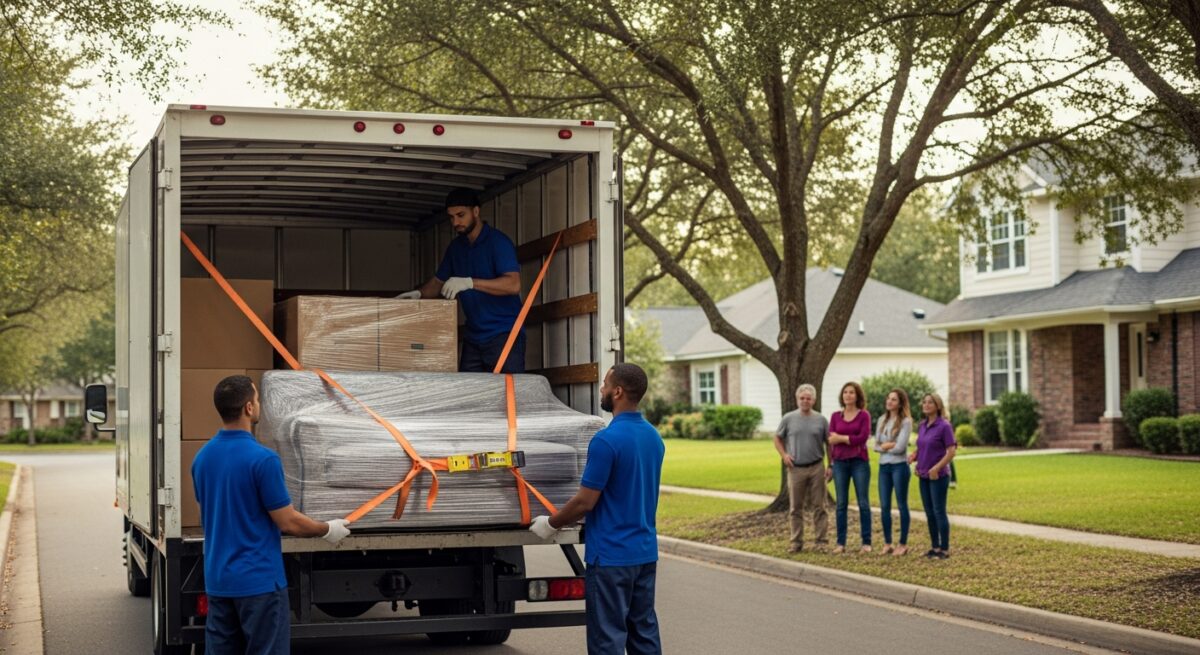
Moving day with an interstate van line begins with a walkthrough. The crew leader will verify the inventory list and note any existing damage to furniture or walls. This protects both you and the movers. Next, the team will start wrapping and loading items into the truck. Professional movers use furniture pads, stretch wrap, and tie-downs to secure everything for the long journey. You should expect the process to take several hours depending on the size of your home.
After loading, the driver will provide a bill of lading. This is a legally binding document that outlines the terms of your move, including the delivery date or window. Keep this document safe. It serves as your receipt and proof of contract. The truck will then depart for your new home. For long distance moves, the transit time can range from a few days to two weeks. The mover should update you periodically on the estimated arrival time.
When the truck arrives at your destination, the crew will unload and place furniture in the rooms you designate. Do a final walkthrough before signing any delivery paperwork. Check for damage or missing items. If you find issues, note them on the inventory list and file a claim with the mover as soon as possible. Most national moving companies have a claims process that requires written documentation within a specific timeframe, often 30 days.
Frequently Asked Questions
How far in advance should I book an interstate van line?
Book your move at least four to six weeks in advance, especially during peak season (May to September). This gives you time to compare estimates and secure your preferred dates. Last-minute bookings may limit your options or result in higher rates.
Can I pack my own items for a long distance move?
Yes, you can pack your own items. However, the interstate van line will not be liable for damage to items you packed if they break during transit. If you want full insurance coverage, let the movers handle the packing. They use professional materials and techniques to protect your belongings.
What happens if my belongings are delayed?
Delays can happen due to weather, mechanical issues, or traffic. Reputable interstate movers communicate delays promptly and provide updated delivery windows. If the delay exceeds the agreed timeframe, you may be entitled to compensation under the mover’s tariff. Check your contract for specific terms.
Are there items that interstate movers cannot transport?
Yes. Hazardous materials such as propane tanks, paint thinners, gasoline, and fireworks are prohibited. Most movers also refuse perishable food, plants, and valuable documents like passports or jewelry. Ask your mover for a complete list of prohibited items before packing.
Making Your Long Distance Move a Success
A successful long distance move relies on preparation, communication, and trust in your chosen interstate van line. Start by creating a detailed inventory of everything you own. This helps with the estimate and ensures nothing is left behind. Label every box with its contents and destination room. Provide clear instructions to the movers about fragile items and special handling needs.
You should also consider your financial options during a move. Unexpected costs can arise, and having access to flexible funds can ease the transition. For example, if you need to cover travel expenses or temporary housing, exploring options like car loan refinancing might free up monthly cash flow. While this is not a moving service, it is a practical way to manage your budget during a costly relocation.
Finally, give yourself grace. Moving is one of life’s most stressful events, even with the best interstate movers. Focus on the big picture: you are starting a new adventure. By investing in professional interstate van line services and long distance moves, you are buying back your time and energy. Let the experts handle the heavy lifting while you focus on settling into your new home and community.