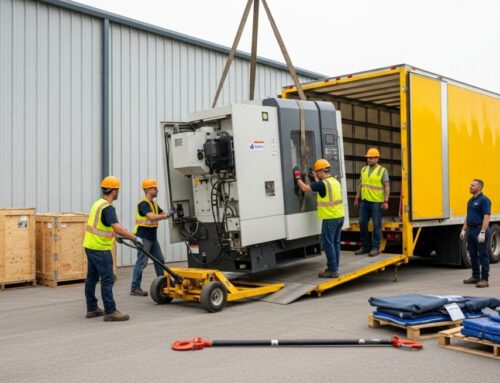
Full Service Long Distance Movers: Costs and What to Expect

Moving across state lines is a significant life event. It often brings a mix of excitement for a new chapter and anxiety about the logistics. The thought of loading a truck, driving hundreds of miles, and unloading everything can be overwhelming. This is precisely where full service long distance movers become invaluable. They handle every detail from packing your dishes to reassembling your furniture in your new home. Understanding what this service includes and how much it costs is the first step toward a stress-free relocation. This guide breaks down the entire process so you can plan with confidence and avoid surprises.
What Does Full Service Long Distance Moving Mean?
Full service long distance moving is a premium offering designed to minimize your physical and mental workload. Unlike a basic moving service that might only provide a truck and a driver, a full-service provider manages the entire journey. They are responsible for your belongings from the moment they arrive at your current home until they are placed exactly where you want them in your new space. This service model is built for convenience and peace of mind.
The key distinction is the comprehensive nature of the labor. You are not just paying for transportation. You are paying for a team of professionals who are trained in packing techniques, furniture disassembly, and safe loading. This is especially important for long distance moves where items are in transit for several days. The risk of damage increases with travel time, so professional packing and secure loading are critical protections for your valuables.
Core Services Included in a Full Service Package
When you hire a full service long distance mover, you can expect the following standard inclusions. Always confirm the specific list with your mover, as some services like packing materials may have a separate cost.
- Comprehensive Packing: The crew packs every item in your home using high-quality boxes, bubble wrap, packing paper, and tape. This includes fragile items like glassware, electronics, and artwork.
- Furniture Disassembly and Reassembly: Large furniture pieces such as bed frames, dining tables, and modular shelving units are taken apart for safe transport and then reassembled at your destination.
- Loading and Unloading: Professional movers load the truck using proper techniques to maximize space and secure items with straps and blankets. They repeat this process at the unloading location.
- Transportation: The mover provides a truck and a driver for the long distance haul. This includes fuel, tolls, and insurance during transit.
- Unpacking and Debris Removal: Many full service companies will unpack your boxes at the destination and remove the empty boxes and packing debris from your new home.
How Much Does a Full Service Long Distance Move Cost?
The cost of a full service long distance move is not a flat fee. It is calculated based on several variables. For a typical household moving across the country, you can expect to pay between $4,000 and $10,000. Smaller moves or shorter distances might fall between $2,000 and $5,000. Larger homes moving from coast to coast can easily exceed $15,000. These figures are estimates; the final price depends on your specific circumstances.
The primary pricing model for long distance moves is based on the weight of your shipment and the distance traveled. Movers weigh the truck before and after loading to determine the exact weight of your goods. They multiply this by a rate per pound and add the mileage fee. This is why an accurate inventory is crucial for a good estimate. Overestimating your load can lead to a higher quote, while underestimating can result in a surprise bill on moving day.
Factors That Influence Your Final Bill
Several specific factors can drive the cost up or down. Understanding these elements will help you budget accurately and ask the right questions when getting quotes.
- Distance and Weight: These are the two biggest factors. Moving 500 pounds across three states costs far less than moving 5,000 pounds across ten states. The rate per mile typically decreases as the distance increases, but the total mileage cost still rises.
- Time of Year and Day: Peak moving season runs from May through September. Weekends and the beginning and end of the month are also more expensive. If you have flexibility, scheduling a move in the fall or winter, or on a weekday, can save you a significant amount.
- Additional Services: Packing, unpacking, and handling specialty items like a piano, a pool table, or large artwork will add to the cost. Some movers charge a flat fee for these services, while others charge by the hour.
- Accessibility: If your current or new home has stairs, an elevator, or a long walk from the truck to the door, the movers may charge extra for the additional labor and time. A ground-floor home with a driveway is the most cost-effective scenario.
To get an accurate estimate, you should request in-home or virtual surveys from at least three different moving companies. Provide them with the same inventory list. This allows you to compare apples to apples. Be wary of quotes that are significantly lower than the others. Lowball estimates are a common tactic used to secure a deposit before raising the price on moving day. For more tips on keeping your move affordable, check out our guide on Affordable Long Distance Moving Companies: How to Save Money.
The Step by Step Process of a Full Service Move
Knowing what happens on moving day removes the mystery and reduces stress. A professional full service long distance mover follows a structured process to ensure efficiency and safety. Here is a typical timeline of events.
On the morning of your move, the crew leader will arrive with a team of movers. They will do a final walkthrough of your home to confirm the inventory and identify any existing damage to furniture or walls. This protects both you and the mover. The team will then begin protecting your floors and walls with runners and blankets before carrying any items out.
The packing process starts with the crew wrapping furniture in moving blankets and shrink wrap. They also box up any remaining loose items you may have set aside. The loading phase is a choreographed effort. Heavy items like sofas and appliances are loaded first to create a stable base. Boxes are stacked according to weight and fragility, with lighter boxes on top. The crew uses straps to secure the load to prevent shifting during the long drive.
After the truck is loaded, the driver will conduct a final inspection and have you sign the bill of lading. This document is the contract for the move. It includes the inventory list, the estimated cost, and the delivery terms. Keep a copy of this document. The driver will then head to your new destination. Depending on the distance, delivery could take a few days. The company should provide a delivery window so you can plan your arrival.
Upon arrival at your new home, the crew unloads the truck and places each item in the room you specify. They will then reassemble furniture, reconnect appliances if included in your service agreement, and unpack your boxes. The final step is a walkthrough where you inspect your items and sign off on the delivery. The crew will also remove all packing debris from your new home.
Understanding Insurance and Liability for Long Distance Moves
One of the most important aspects of any move is protecting your belongings. Full service long distance movers are required by law to offer two types of valuation coverage. Valuation is not the same as insurance, but it determines the mover’s liability for lost or damaged items. Understanding the difference is crucial for protecting your investment.
The first option is Released Value Protection. This is included at no additional cost. Under this plan, the mover is liable for 60 cents per pound per item. For example, if a 10-pound lamp is damaged, you would receive $6.00. This is clearly not adequate for valuable electronics, furniture, or antiques. It is the minimum coverage required by law. The second option is Full Value Protection. This costs extra, typically around 1% to 2% of the total move value. Under this plan, the mover is responsible for repairing an item, replacing it with a similar item, or paying you the current market value for any lost or damaged property. This is the recommended option for most households.
Before your move, create a detailed inventory of your high-value items. Take photos and keep receipts or appraisals. This documentation will be invaluable if you need to file a claim. When you receive your quote, ask the mover to explain the valuation options clearly. Do not assume your homeowner’s or renter’s insurance covers items in transit. Most standard policies have limited coverage for moving. A separate mover’s valuation policy provides the best protection. You may also consider purchasing additional third-party moving insurance for peace of mind on very high-value shipments.
How to Choose the Right Full Service Long Distance Mover
Selecting a reputable mover is the most critical decision you will make. The moving industry has a history of scams and bad actors, especially in the long distance sector. A little research upfront can save you from significant headaches and financial loss. Start by verifying the mover’s credentials. Every interstate moving company must have a U.S. DOT number registered with the Federal Motor Carrier Safety Administration (FMCSA). You can look up this number on the FMCSA website to check the company’s safety record and complaint history.
Next, read online reviews on platforms like Google, Yelp, and the Better Business Bureau. Look for patterns in the feedback. A few negative reviews are normal, but consistent complaints about hidden fees, late deliveries, or damaged items are red flags. Ask the company for references from recent long distance moves. A reputable mover will be happy to provide them. Finally, trust your instincts during the quote process. A professional mover will ask for a detailed inventory, offer an in-home survey, and provide a written estimate. They will not pressure you to sign a contract immediately or demand a large cash deposit upfront.
Once you have selected a mover, read the contract carefully before signing. Understand the payment terms, the delivery window, and the claims process. Keep all documentation, including the bill of lading and the inventory list, in a safe place. Good communication with your mover is key. Provide them with your contact information and ensure they have a way to reach you during the transit of your goods. A reliable moving partner will keep you updated on the status of your delivery.
Frequently Asked Questions
How far in advance should I book a full service long distance mover?
It is best to book at least 6 to 8 weeks before your target move date. During peak season, you may need to book 3 to 4 months in advance to secure your preferred date. Booking early also gives you more time to research companies and get multiple quotes.
Is a deposit required for long distance moving services?
Yes, most full service long distance movers require a deposit to reserve your moving date. This is typically 10% to 25% of the estimated total cost. Be cautious of companies that demand a large cash deposit or full payment upfront. Reputable movers accept credit cards and provide a receipt.
What items are usually excluded from a full service move?
Movers cannot transport hazardous materials such as propane tanks, gasoline, paint, cleaning chemicals, and batteries. They also typically refuse perishable food, plants, and valuable documents like passports and wills. You should plan to transport these items yourself or dispose of them before moving day.
Can I pack my own boxes to save money?
Yes, you can pack your own items to reduce the cost of packing services. However, if you pack your own boxes, the mover may not be liable for damage to those items. If you choose to pack yourself, use sturdy boxes and plenty of padding. The mover will still handle the heavy lifting and transportation.
What happens if my belongings are delayed in transit?
Long distance moves can sometimes be delayed due to weather, traffic, or mechanical issues. Reputable movers will communicate these delays to you. Your contract should specify a delivery window. If the delay is significant and causes you hardship, you may be entitled to compensation under the mover’s tariff. Ask about their delay policy when you book.
Choosing a full service long distance mover is an investment in your time and peace of mind. By understanding the costs, the process, and your rights as a consumer, you set yourself up for a successful relocation. The key is preparation and choosing a partner you can trust. For those looking to manage their budget carefully, exploring options with financial planning resources can also help you allocate funds for your move without stress. A well-planned move is the foundation for a great start in your new home.