
How to Pack a Garage and Shed Before Moving: A Step-by-Step Guide
Packing a garage and shed before moving is easier with a clear plan. Call 8334848675 for expert moving help and free quotes.

By Jennifer Davis
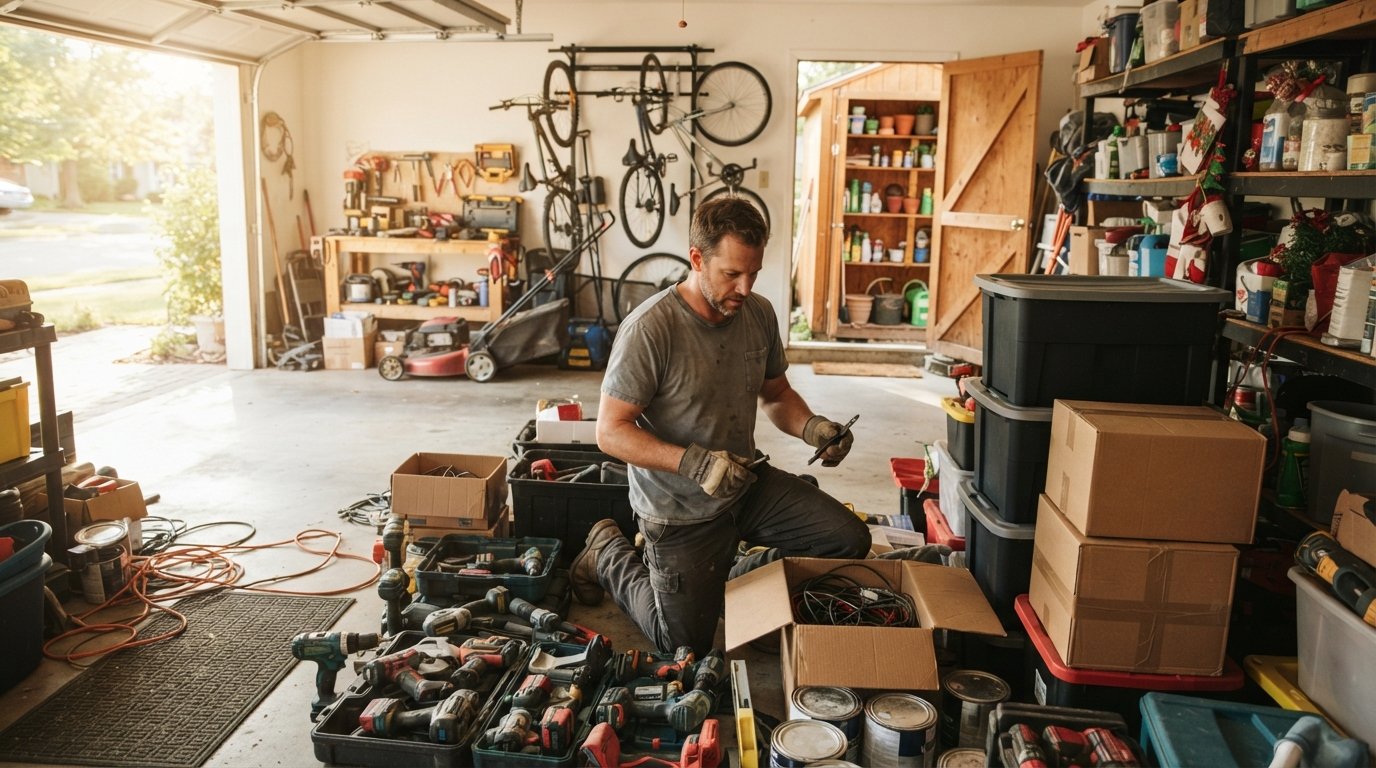
Your garage and shed are often the most neglected spaces in your home, yet they can be the most challenging to pack when moving day arrives. These areas tend to accumulate years of tools, seasonal decorations, sports equipment, gardening supplies, and forgotten items that you may not have touched in months or even years. Unlike your living room or kitchen, where items are used regularly and organized naturally, garages and sheds become catch-all storage zones where clutter multiplies quietly. Packing them efficiently requires a different strategy than the rest of your home. You need to sort through hazardous materials, decide what is worth moving versus replacing, and protect items that may be dusty, rusty, or fragile from years of storage. This guide walks you through every stage of the process, from early planning to final loading, so you can tackle these tough spaces with confidence and avoid moving items you no longer need.
Start With a Plan and a Timeline
Before you grab a single box, take time to assess what you are dealing with. Walk through your garage and shed with a notepad or your phone and make an inventory of the major categories: power tools, hand tools, lawn equipment, bicycles, camping gear, holiday decorations, paint, chemicals, automotive supplies, and miscellaneous boxes. This initial survey helps you estimate how many boxes, bins, and specialty containers you will need. It also reveals items that require special handling, such as propane tanks, gasoline cans, or lithium batteries, which most moving companies will not transport.
Give yourself at least two to three weeks to pack these spaces if you are doing it yourself. Garages and sheds are often packed last because they are out of sight, but leaving them until the final days creates unnecessary stress. A realistic timeline might look like this: week one for sorting and decluttering, week two for packing and labeling, and the final days for loading and cleaning. If you are hiring professional packers, schedule them early, as these spaces require more labor than most people expect. You can explore packers and movers cost complete pricing guide to understand what professional packing services typically charge for garages and sheds, helping you decide whether to DIY or delegate.
Weather also plays a role. If you live in an area with extreme heat, cold, or rain, plan your packing sessions around mild days. Garages and sheds often lack climate control, and spending hours in a sweltering or freezing space is both uncomfortable and potentially dangerous. Early mornings or late afternoons are usually best during summer months.
Declutter Ruthlessly Before You Pack Anything
The single most effective way to make packing a garage or shed easier is to get rid of things you no longer need. Every item you donate, sell, recycle, or trash is one less thing to wrap, box, load, and unload. Garages and sheds are notorious for holding items that seemed useful years ago but have not been touched since. Be honest with yourself about what you actually use and what you are keeping out of habit or guilt.
Create four zones in your driveway or yard: Keep, Donate or Sell, Recycle, and Trash. As you pull items off shelves and out of corners, sort them immediately into these categories. For the Keep pile, ask yourself whether the item is worth the cost and effort of moving. A rusty wheelbarrow that costs forty dollars to replace may not be worth the space it takes in a moving truck. A high-quality table saw, on the other hand, is almost always worth moving.
Here are common categories of garage and shed items and how to handle them:
- Hazardous materials: Paint, pesticides, antifreeze, motor oil, propane tanks, and solvents cannot be moved by professional movers and should be disposed of at a local hazardous waste facility.
- Expired or damaged items: Cracked garden hoses, rusty tools, dried-out paint cans, and broken equipment should be recycled or trashed.
- Duplicates: How many rakes, shovels, or tape measures do you really need? Keep the best one and donate the rest.
- Seasonal items you rarely use: If you have not set up those holiday decorations in five years, consider selling or donating them.
- Valuable tools and equipment: These are worth packing carefully and moving, especially if they are high-quality or expensive to replace.
Once you have decluttered, you will likely find that your garage and shed contain far fewer must-move items than you expected. This makes the packing process faster, cheaper, and less stressful. It also reduces the weight of your shipment, which can lower your moving costs if you are paying by weight for a long-distance move.
Gather the Right Packing Supplies
Garages and sheds require sturdier packing materials than the rest of your home. Heavy tools, sharp edges, and awkward shapes demand boxes and containers that can handle abuse during loading and transport. Before you start packing, stock up on the following supplies:
- Heavy-duty double-wall boxes: Standard moving boxes may collapse under the weight of tools or equipment. Use double-wall or triple-wall boxes for heavy items.
- Plastic storage bins with lids: These are excellent for items that need protection from moisture, such as gardening supplies or camping gear.
- Bubble wrap and packing paper: Essential for wrapping fragile items, sharp tools, and anything that could scratch or be scratched.
- Moving blankets and furniture pads: Use these to protect large equipment, bicycles, and anything with a delicate finish.
- Heavy-duty tape and tape dispenser: Cheap tape will fail under stress. Invest in quality packing tape.
- Permanent markers and labels: Label every box with its contents and destination room.
- Zip ties and bungee cords: Useful for bundling long-handled tools like rakes, shovels, and brooms.
- Small parts organizers: Screws, nails, bolts, and small hardware should go into sealed bags or compartment boxes.
If you are short on time or prefer not to shop for supplies, many full-service moving companies offer packing materials as part of their service. When you request quotes through Moving.Homes, you can ask about packing supply packages and labor to handle these tough spaces for you. Professional packers bring their own materials and know how to pack heavy, awkward items safely, which can save you both time and back strain.
Pack Tools and Hardware the Right Way
Tools are the heart of most garages, and they require careful packing to prevent damage and injury. Start by grouping tools by type: hand tools, power tools, gardening tools, and automotive tools. Clean each tool before packing to remove dirt, grease, and rust. A quick wipe-down with a rag and some WD-40 or a similar lubricant can prevent corrosion during the move.
For hand tools, use a sturdy toolbox or a double-wall box with a reinforced bottom. Wrap sharp-edged tools like chisels, saws, and knives in bubble wrap or cardboard to protect both the tool and anyone handling the box. Pack heavier tools at the bottom and lighter ones on top. Fill any gaps with packing paper or foam to prevent shifting.
Power tools should be packed individually if possible. Remove batteries and pack them separately in a labeled bag. Wrap cords around the tool and secure them with a zip tie or twist tie. If you still have the original cases, use them. Otherwise, wrap each tool in bubble wrap and place it in a box with plenty of cushioning. Label the box clearly as fragile and heavy.
Small hardware like screws, nails, bolts, and picture hangers can easily get lost. Place them in sealed plastic bags and then into a small box or compartment organizer. Label each bag with its contents. If you are disassembling any furniture or equipment, keep the hardware in a bag taped directly to the item or in a clearly labeled box that travels with you rather than in the moving truck.
Handle Hazardous Materials and Chemicals Safely
One of the most important aspects of packing a garage and shed is dealing with hazardous materials. Most moving companies, including those in the Moving.Homes network, are prohibited by law from transporting flammable, corrosive, or toxic substances. This includes gasoline, propane tanks, paint thinners, pesticides, herbicides, motor oil, antifreeze, and certain cleaning chemicals. Attempting to sneak these items onto a moving truck is dangerous and can void your insurance coverage.
Before moving day, contact your local waste management or environmental health department to find out where you can safely dispose of hazardous household waste. Many communities hold regular hazardous waste collection events or have permanent drop-off sites. If you have partially used containers of paint or chemicals that you want to keep, check whether they can be legally transported in your personal vehicle. In many cases, small quantities of latex paint can be transported if the lids are sealed and the containers are stored upright, but always verify local regulations first.
For items you cannot take with you, consider giving them to neighbors, friends, or local community groups who can use them. A neighbor with a garden may gladly take your leftover fertilizer or potting soil. A car enthusiast friend might appreciate your extra motor oil. Just be sure to transfer these items safely and label them clearly.
Protect Large Equipment and Seasonal Items
Large items like lawnmowers, snowblowers, bicycles, and grills require special attention. Drain all fuel and oil from gas-powered equipment before moving, as leftover fuel can leak and create a fire hazard. Clean the equipment thoroughly to remove grass, dirt, and grease. For lawnmowers and snowblowers, remove the spark plug and tie down any loose parts. If possible, transport these items in your own vehicle or trailer rather than the moving truck, especially if they are heavy or awkward.
Bicycles can be tricky to pack. If you have a bike rack, use it to transport bikes on your car. Otherwise, remove the pedals and turn the handlebars sideways to make the bike more compact. Wrap the frame in an old blanket or moving pad and secure it with tape or zip ties. Place bikes in a sturdy box if you have one large enough, or lean them against a wall in the truck with padding between them and other items.
Seasonal items like holiday decorations, camping gear, and pool supplies should be packed in labeled bins or boxes. Use plastic bins for anything that might be damaged by moisture. Label each bin clearly with its contents and the room or area where it should go in your new home. This makes unpacking much easier and ensures that your holiday decorations do not end up buried in the back of the garage for months.
Label and Organize for Easy Unpacking
Labeling is one of the most overlooked steps in packing a garage or shed, yet it saves hours of frustration on the other end. Every box, bin, and bag should have a label that includes the contents and the destination. For garages and sheds, use a consistent labeling system, such as color-coded labels or numbered boxes with a master inventory list.
Group items by category rather than just by size. For example, pack all gardening supplies together, all automotive tools together, and all holiday decorations together. This way, when you arrive at your new home, you can unpack one category at a time and set up your new garage or shed in an organized way. It also helps you identify anything that might be missing or damaged during the move.
Consider creating a simple floor plan for your new garage or shed before you move. Sketch out where you want shelves, workbenches, and storage bins to go. Then label your boxes to match that plan. For example, label a box Garden Tools and mark it for the left wall shelf. This level of organization makes unpacking faster and helps you avoid the chaos of boxes piled randomly in your new space.
Know When to Hire Professional Help
Packing a garage and shed is physically demanding and time-consuming. If you have a large collection of heavy tools, bulky equipment, or hazardous materials, hiring professional packers can be a wise investment. Professional movers have the experience, supplies, and muscle to pack these spaces safely and efficiently. They also know how to handle items that require special care, such as riding lawnmowers, generators, and large tool chests.
When you request quotes through Moving.Homes, you can specify that you need packing assistance for your garage and shed. Many moving companies offer partial packing services, where they pack only the most challenging items while you handle the rest. This can be a cost-effective compromise if you want to save money but still need help with heavy or awkward items. For homeowners who need repairs or improvements before listing their home, services like free quotes from local contractors can connect you with pre-vetted professionals for tasks like garage door repair or shed maintenance, ensuring your property is move-ready.
Before hiring any moving company, verify that they are licensed and insured. Ask about their experience with garage and shed packing, and request references if possible. A reputable mover will provide a written estimate and explain any additional charges for specialty items or hazardous material handling. Avoid any company that demands a large cash deposit upfront or refuses to put their estimate in writing.
Final Steps Before Moving Day
As moving day approaches, do a final walkthrough of your garage and shed to make sure nothing has been missed. Check shelves, corners, and rafters for items you may have overlooked. Sweep the floors and wipe down surfaces. If you are leaving the property, take photos of the empty space for your records. This can be helpful if there are any disputes about the condition of the property after you move out.
Pack a moving day essentials box for your garage and shed items that you will need immediately, such as basic tools, flashlights, extension cords, and cleaning supplies. Keep this box with you rather than loading it onto the truck. You will likely need these items as soon as you arrive at your new home to set up furniture, hang curtains, or make minor repairs.
Finally, confirm your moving arrangements with your chosen company. Double-check the pickup and delivery dates, the estimated cost, and any special instructions for your garage and shed items. If you have hired professional packers, confirm their arrival time and make sure they have access to the areas they need to work in. A little preparation on the front end goes a long way toward a smooth and stress-free move.
Packing a garage and shed does not have to be overwhelming. With a clear plan, the right supplies, and a willingness to let go of things you no longer need, you can turn these challenging spaces into organized, manageable parts of your move. Start early, stay organized, and do not be afraid to ask for professional help when you need it. Your future self will thank you when you are unpacking in your new home with everything you need exactly where you want it.