How to Load a Moving Truck Efficiently: Pro Tips
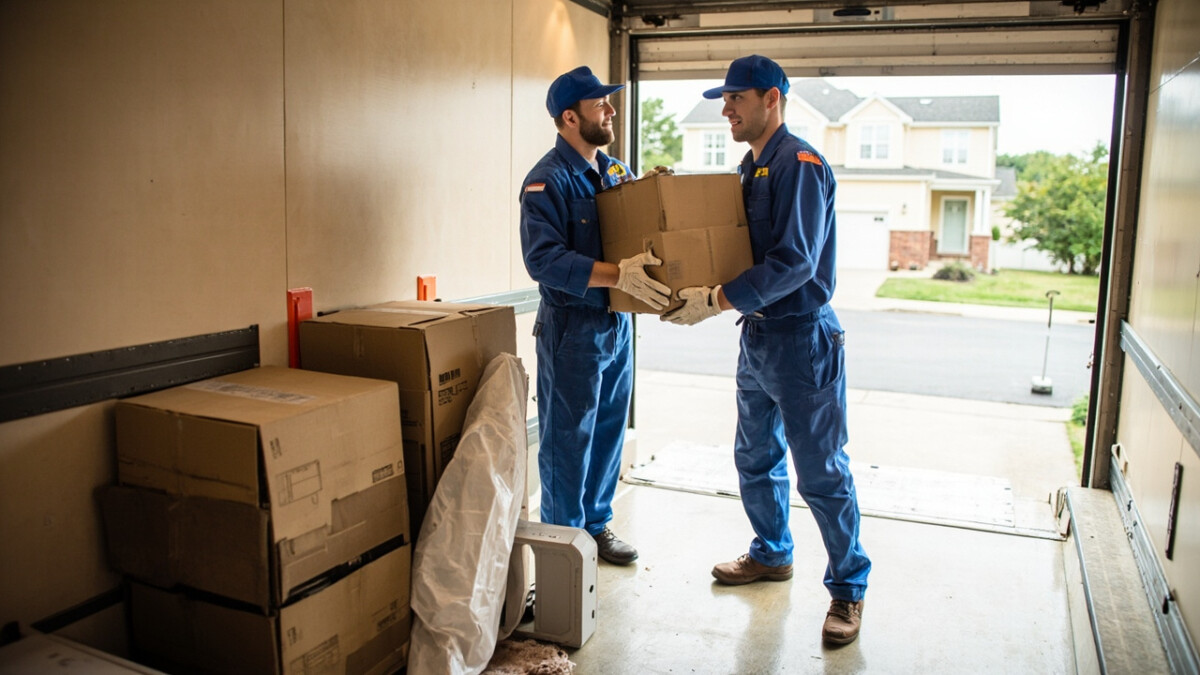
Standing in front of an empty moving truck with a house full of boxes can feel overwhelming. The difference between a smooth move and a stressful one often comes down to how well you pack that truck. Loading a moving truck is not just about stacking boxes until they reach the ceiling. It is a strategic process that protects your belongings, maximizes space, and saves you time on both ends of the trip. Whether you are moving across town or across the country, mastering how to load a moving truck efficiently will reduce damage, prevent extra trips, and keep your sanity intact. This guide walks you through the professional methods that movers use, giving you a clear plan to tackle the job with confidence.
Why Proper Loading Matters More Than You Think
Many people assume that the hardest part of moving is the packing. In reality, the loading phase determines how much stress your items endure during transit. A poorly loaded truck shifts during turns and stops, causing boxes to topple and furniture to collide. This leads to broken dishes, scratched tables, and dented appliances. Beyond damage, inefficient loading wastes cubic feet of space. You might think you need a second truck rental when you could have fit everything with a smarter layout. Professional movers train for years to perfect the art of weight distribution and space optimization. By applying their principles, you can load your truck like a pro and avoid the most common moving disasters.
Gather the Right Tools and Supplies First
Before you lift a single box, assemble everything you need for the loading process. Running back and forth for tools wastes energy and breaks your rhythm. Start with a dolly or hand truck to move heavy appliances and stacked boxes. Furniture blankets or moving pads protect surfaces from scratches and dents. You will also need heavy-duty straps or rope to secure the load, as well as a tape dispenser for sealing last-minute boxes. A marker for labeling items that need extra care is also helpful. Having these supplies ready means you can focus entirely on the sequence of loading a moving truck without interruption.
The Golden Rule: Load Heavy Items First, Light Items Last
The single most important principle of how to load a moving truck efficiently is weight distribution. The heaviest items must go on the floor of the truck, positioned over the axles. This keeps the center of gravity low and stable during transport. Start with large appliances like refrigerators, washing machines, and dryers. Load them against the front wall of the truck (the cab end) to create a solid foundation. Next, place your heaviest furniture: sofas, dressers, and bookcases. Always place heavier pieces on the bottom and lighter items on top. This prevents lighter boxes from being crushed and keeps the truck balanced. If you load light boxes first, you will have to lift heavy furniture over them, which is dangerous and inefficient.
Step-by-Step Loading Sequence
Follow this exact order to ensure you are loading a moving truck in the most efficient way possible. Deviating from this sequence often leads to wasted space and rearranging later.
- Load large appliances and bulky furniture first. These go against the front wall of the truck. Slide them in as far as they will go.
- Add heavy furniture next. Sofas, dining tables, and desks should be placed on the floor, not stacked on top of other items.
- Fill gaps with medium-sized boxes. Use boxes of books, kitchen items, and tools to fill the spaces between furniture legs.
- Stack lighter boxes on top. Bedroom boxes, linens, and clothing can go higher up, but keep them below the ceiling line.
- Load long, awkward items last. Mattresses, bed frames, and lamps go on top or along the sides, secured with straps.
This sequence ensures that the truck is packed tightly from front to back. A tight load prevents shifting, which is the primary cause of damage during transit.
Maximize Vertical Space Without Crushing Boxes
One of the best ways to load a moving truck efficiently is to think in three dimensions. Most people only fill the floor area, leaving a huge gap of empty air above. You can safely stack boxes as high as the truck allows, but you must follow a few rules. Never stack heavy boxes on top of fragile ones. Place the heaviest boxes at the bottom of each stack and lighter boxes on top. Use uniform box sizes in each column to create stable towers. If you have mixed box sizes, fill the gaps with smaller items or soft goods like pillows and blankets. The goal is to create a solid wall of cargo that does not wobble. When done correctly, you can double or triple your usable space without risking damage.
Protect Your Fragile Items With a Buffer Zone
Fragile items like glassware, mirrors, and electronics need special attention during the loading process. The best way to protect them is to create a buffer zone. Place all fragile boxes in a dedicated section of the truck, preferably in the middle of the load where they receive support from all sides. Surround them with soft items like mattresses, pillows, and clothing boxes. Never place fragile boxes on the floor of the truck, where they are vulnerable to bumps from heavy furniture. If you must stack fragile boxes, put them on top of a layer of soft goods. Use furniture blankets to wrap mirrors and picture frames, then lean them vertically against a stable wall of boxes. Securing them with straps prevents them from sliding.
The Best Way to Pack a Moving Truck With Furniture
Furniture requires special techniques to prevent damage and save space. Start by disassembling any furniture that can come apart. Remove table legs, take apart bed frames, and detach shelves from bookcases. This makes each piece more compact and easier to fit into tight spaces. Wrap each piece in furniture blankets and secure the blankets with tape or stretch wrap. When loading sofas, place them on their ends to save floor space. Stack chairs upside down on top of tables. Use the inside of drawers and cabinets for extra storage: fill them with lightweight items like linens or clothes. This technique, often called nesting, is one of the best ways to pack a moving truck without wasting a single cubic foot.
Secure Everything With Straps and Ropes
Even the most perfectly stacked load will shift during a sharp turn or sudden stop. Securing your cargo is non-negotiable for a safe move. Use ratchet straps or heavy-duty rope to tie down the load at multiple points. Most moving trucks have anchor rings built into the walls and floor. Attach straps to these rings and tighten them against the cargo. Create a front-to-back line of tension that holds everything in place. Also add side-to-side straps to prevent lateral shifting. Check the tightness of your straps after the first few miles of driving. A loose load can cause catastrophic damage in a short distance. Taking five minutes to secure your load properly can save you hundreds of dollars in replacement costs.
Avoid These Common Loading Mistakes
Even experienced movers can make errors when loading a moving truck. Knowing what to avoid is just as important as knowing the correct steps. Here are the most common pitfalls and how to steer clear of them.

- Overloading one side of the truck. This creates an unbalanced vehicle that is hard to steer and prone to tipping. Distribute weight evenly from left to right.
- Leaving empty gaps. Gaps allow boxes to slide and furniture to topple. Fill every gap with a box, blanket, or small item.
- Stacking heavy boxes on top of furniture. This can crush the furniture or cause it to break. Always put heavy items on the bottom.
- Loading too high. If you cannot see out of the rearview mirror, you have loaded too high. Keep the load below the window line for safety.
- Skipping the walk-around. Before you close the truck door, do a final walk-around inside. Check for loose items and unstable stacks.
Avoiding these mistakes will make your move safer and more efficient. Remember that the goal is to deliver everything in the same condition it left your old home.
How to Load a Moving Truck Efficiently for Long Distance
Long-distance moves add extra challenges to the loading process. Your belongings will be in transit for days, not hours. This means you need to be even more meticulous about protection and weight distribution. Use extra padding on all furniture corners and edges. Double-box fragile items and fill all empty space inside boxes with packing paper. Place a layer of furniture blankets on the floor of the truck before loading anything. This provides a cushion against road vibrations. For long-distance moves, consider using a professional moving service to handle the loading. The peace of mind is worth the investment, especially if you have valuable or sentimental items. If you are handling it yourself, plan for a full day of loading and do not rush the process.
Tools of the Trade: What Professional Movers Use
Professional movers rely on a few key tools that make loading a moving truck faster and safer. You do not need to buy everything they use, but a few items can make a huge difference. A furniture dolly with straps allows you to move heavy appliances without straining your back. Moving blankets with built-in tie straps wrap around furniture in seconds. Stretch wrap (plastic wrap) keeps drawers closed and cushions clean. Cardboard corner protectors shield the edges of tables and mirrors. These tools are inexpensive and available at most home improvement stores. Investing in them will pay for themselves in reduced damage and faster loading time.
When to Call the Pros: Recognizing Your Limits
There comes a point in every DIY move when you realize you have taken on more than you can handle. Loading a moving truck is physically demanding, and trying to do it alone can lead to injury or damage. If you have a three-story walk-up, heavy pianos, or a massive collection of antiques, it might be time to call in professional help. Moving.Homes offers expert packing and loading services with trained professionals who handle the heavy lifting. Their team uses industry-best practices to load your truck efficiently and safely. In our guide on affordable Idaho moving solutions, we explain how professional services can fit into any budget. Sometimes the smartest move is knowing when to hand over the reins.
Frequently Asked Questions
How long does it take to load a moving truck?
The time depends on the size of your home and how prepared you are. For a two-bedroom apartment, expect 2 to 4 hours with two people. A four-bedroom house can take 6 to 8 hours. Pre-packing everything in boxes before loading day cuts the time significantly.
What is the best way to pack a moving truck to maximize space?
The best way is to disassemble furniture, nest smaller items inside larger ones, and fill every gap with soft goods or small boxes. Stack boxes in uniform columns and use the vertical space up to the ceiling line.
Should I load the truck the night before or morning of the move?
If possible, load the truck the night before your move date. This gives you a buffer in case you run into delays. It also allows you to start driving early in the morning when traffic is lighter.
Can I load a moving truck by myself?
You can load a small truck by yourself, but it is physically demanding and slower. For anything larger than a one-bedroom apartment, enlist at least one helper. Using a dolly and furniture straps reduces the strain.
What items should never go in a moving truck?
Do not load hazardous materials like propane tanks, paint thinners, bleach, or gasoline. Also avoid perishable food, plants, and important documents. These items should travel with you in your car for safety.
Mastering how to load a moving truck efficiently is a skill that saves time, money, and stress. By following the principles of weight distribution, space optimization, and proper securing, you can protect your belongings and make the moving day run smoothly. Whether you choose to do it yourself or hire professionals, the effort you put into loading will directly impact the outcome of your move. Take it step by step, use the right tools, and do not hesitate to ask for help when you need it. For more moving tips and resources, including professional moving services, visit Moving.Homes and explore their comprehensive guides. Learn more