Hiring Professional Local Movers for a Stress-Free Home Relocation

Moving to a new home within the same city or region should be an exciting new beginning, but the process of getting there is often ranked among life’s most stressful events. The sheer volume of tasks, from packing fragile dishes to transporting heavy furniture, can quickly overwhelm even the most organized individual. This is where the decision to hire professional local movers transforms from a luxury into a critical strategy for preserving your sanity, budget, and belongings. Unlike a frantic DIY effort or an unreliable truck rental service, a dedicated team of local professional movers brings expertise, efficiency, and equipment specifically designed to turn a chaotic transition into a smooth, managed operation. Understanding the full scope of what these experts offer, and how to choose the right team, is the key to unlocking a relocation experience that is controlled, predictable, and even positive.
The Tangible Value of Professional Local Moving Services
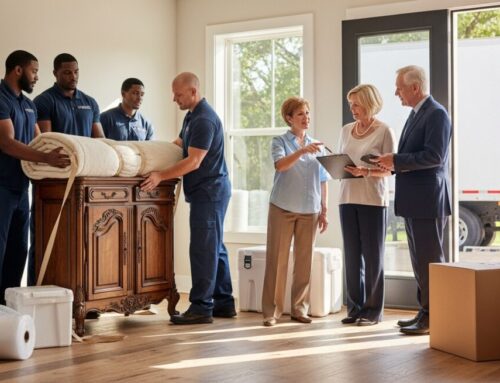
Many people consider professional movers as merely a labor force for lifting boxes. In reality, a reputable local moving company provides a comprehensive service ecosystem that addresses every pain point of a relocation. The core value lies in risk mitigation. Professional movers are insured and bonded, which means your possessions are protected against loss or damage in a way they never are in a friend’s pickup truck. They come equipped with specialized tools like furniture dollies, padding blankets, straps, and ramps that not only make the job faster but significantly reduce the risk of injury to people and damage to your home’s walls, floors, and doorways. The efficiency of an experienced crew is profound, often completing in hours what might take a novice team days, saving you invaluable time and energy that can be redirected toward settling into your new community.
Beyond the physical move, the logistical and mental load is lifted from your shoulders. A true full-service company will handle the entire process, from providing packing materials and expertly boxing your items (including delicate art, electronics, and bulky wardrobes) to loading, transporting, unloading, and even unpacking and setting up your new home according to your floor plan. This holistic approach allows you to focus on family, updating your address, or simply managing the emotional aspects of the change without the backdrop of physical exhaustion. For those seeking to minimize stress and ensure the safe transport of belongings, exploring reputable professional moving services is a logical and highly recommended step.
How to Select and Vet Your Local Moving Company
Not all moving companies are created equal, and the local market can include both exceptional providers and less scrupulous operators. Your selection process must be diligent. It begins with thorough research. Seek out companies with strong, verifiable reputations. Read recent customer reviews on multiple platforms (Google, Yelp, the Better Business Bureau) and pay attention to how companies respond to both positive and negative feedback. Look for consistent praise about punctuality, care, and transparency. Recommendations from friends, family, or real estate agents are also invaluable. Once you have a shortlist, the next critical step is to obtain detailed, written estimates.
Be wary of any company that offers a firm quote over the phone without seeing your home and inventory. A reputable local professional mover will insist on an in-person or detailed virtual video survey. This allows them to assess the volume of goods, any special items (pianos, safes, antiques), and potential access challenges at both locations. You should receive a written, binding estimate that clearly outlines the pricing structure. Understand the difference between a non-binding estimate (which can change) and a binding estimate (which guarantees the price, provided the inventory doesn’t change). Ensure all fees are disclosed, including those for stairs, long carries, shuttle services if a large truck cannot access your home, and packing materials. A transparent company will have no problem explaining every line item.
Before making a final decision, verify the company’s credentials. Confirm they hold a valid USDOT number for interstate moves (which still applies to some intrastate carriers) and any required state or local licenses for local movers. Ask for proof of both liability insurance (to cover your goods) and workers’ compensation insurance (to protect you if a mover is injured on your property). Finally, trust your instincts during interactions. Professionalism in communication, willingness to answer questions, and clarity in paperwork are strong indicators of the service experience you will receive on moving day.
Preparing for Moving Day: A Partnership for Success
Hiring professionals does not mean you are entirely passive. The most successful moves are a partnership between the homeowner and the moving crew. Your preparation directly influences the efficiency, cost, and smoothness of the day. Begin by decluttering aggressively. Moving items you no longer want or need is a waste of money and effort. Hold a garage sale, donate to charity, or responsibly dispose of unwanted goods. This reduces the volume, and therefore the cost, of your move. Next, create a detailed inventory of your belongings. This serves two purposes: it helps the mover provide an accurate estimate, and it gives you a crucial record for verifying that all items are delivered.
For items you are packing yourself (if you opt for a partial-packing service), start early and pack methodically. Use sturdy boxes, label every box clearly with its contents and the room it belongs in at the new house, and create a “first-night” box with essentials like toiletries, medications, phone chargers, a change of clothes, and basic kitchen items. Prepare your home for the movers’ arrival. This includes:
- Clearing walkways and doorways of obstructions, both inside and outside.
- Protecting floors and carpets with old sheets or disposable runners if possible.
- Disassembling only what you are comfortable with (beds, simple tables). Professional movers will handle complex furniture.
- Making arrangements for pets and small children to be in a safe, separate area or off-site to ensure their safety and avoid hindering the crew.
On moving day, be present and accessible. Designate one person to serve as the point of contact for the crew chief. Do a final walkthrough with the crew chief to point out any last-minute instructions and to review the inventory sheet. Once loading is complete, do another walkthrough of the empty house to ensure nothing is left behind. At the new home, be ready to guide the unloading process, directing boxes and furniture to the correct rooms as indicated on your labels.
Understanding Costs and Avoiding Hidden Fees
The cost of hiring professional local movers is typically based on the time required to complete the move, from the crew’s departure from their office to their return after unloading, plus any materials used. This is often calculated as an hourly rate for the team and the truck. Factors that increase time (and therefore cost) include total volume of goods, number of stairs, distance between the truck and your door (long carries), and the need for special equipment or extra care for fragile items. Packing services are usually a separate cost, either by the hour for labor plus materials or as a per-box fee.
To avoid surprise bills, communication is key. Disclose everything during the estimate. This includes mentioning if your new apartment has a narrow alley, if there are multiple flights of stairs without an elevator, or if you have exceptionally heavy items like a grand piano or a large gun safe. These are not “hidden” fees but legitimate additional services that must be planned for. Get all agreed-upon services, rates, and potential extra charges in writing on your estimate or contract. Be cautious of companies that demand a large cash deposit upfront. A legitimate local mover will typically require payment upon completion of the job, accepting credit cards, checks, or sometimes cash. For a deeper dive into budgeting and evaluating quotes, our guide on how to choose the right home relocation companies provides a detailed framework for financial planning.
Frequently Asked Questions About Local Movers
How far in advance should I book professional local movers?
For a local move, booking 4-6 weeks in advance is ideal, especially during peak moving seasons (summer months, weekends, and the beginning/end of the month). This ensures you secure your preferred date and gives you ample time for planning.
Should I tip my movers, and if so, how much?
Tipping is a customary way to show appreciation for a job well done, especially if the crew is efficient, careful, and professional. A common guideline is $20-$40 per mover for a full-day move, or 5-10% of the total bill divided among the crew. Consider the complexity and quality of service when deciding.
What items should I not allow the movers to transport?
Movers cannot legally transport hazardous materials (flammables, aerosols, chemicals, propane tanks), perishable food, plants (in some cases), and personal valuables like jewelry, important documents, cash, or medication. These items should be transported by you personally.
What happens if something is damaged during the move?
Reputable companies have a claims process. Immediately note any visible damage on the mover’s inventory sheet before signing it upon delivery. For hidden damage, you typically have a limited number of days (often 30-90) to file a claim in writing. This is why choosing an insured company and understanding their claims policy is crucial.
Can I pack my own boxes and still use professional movers?
Absolutely. Many people opt for this hybrid approach to save on labor costs. However, be aware that if you pack yourself, the mover’s insurance may not cover items damaged due to improper packing. Pack securely, use plenty of cushioning, and label boxes clearly.
Ultimately, investing in professional local movers for your home relocation is an investment in peace of mind. It converts a period of potential chaos into a well-orchestrated project managed by experts. The physical safety of your belongings, the protection of your property, and the preservation of your own time and emotional well-being are returns that far outweigh the financial cost. By doing your homework, choosing a reputable company, and preparing effectively, you set the stage for a transition that is not just about moving your possessions from point A to point B, but about starting your new chapter on a calm, organized, and positive note.