First Apartment Checklist: Everything You Need Before Moving in

Moving into your first apartment is a major milestone. It is a moment of freedom, independence, and a blank canvas to call your own. But that blank canvas often starts with an empty room, a stack of cardboard boxes, and a growing sense of panic as you realize you need everything from a toilet plunger to a coffee maker. Without a solid plan, that excitement can quickly turn into stress. That is where this first apartment checklist comes in. It covers every essential item, every critical decision, and every practical step to take before you sign the lease and load the truck. Use this guide to avoid last-minute scrambles and ensure your new place feels like home from day one.
Whether you are moving across town or across state lines, the process demands organization. You need to budget for deposits and new furniture, coordinate utility setups, and pack your belongings with care. This article walks through each phase of the journey, from the initial planning stages to the moment you unlock your front door. Along the way, you will discover the things you need for your first apartment, including must-have kitchen tools, bathroom basics, bedroom essentials, and living room staples. Let us start with the financial foundation that makes every other decision possible.
Create a Realistic Budget Before You Sign Anything
The most common mistake first-time renters make is underestimating upfront costs. Your monthly rent is only one piece of the puzzle. You also need to account for a security deposit (usually one to two months’ rent), application fees, first month’s rent, and possibly a broker’s fee. In addition, many landlords require proof of renter’s insurance. That small monthly premium protects your belongings and is often non-negotiable. Add to that the cost of moving supplies, a truck rental or professional movers, and any deposits for utility accounts.
After you cover those initial expenses, you must outfit an entire apartment from scratch. Few people own a complete set of dishes, cookware, and cleaning supplies before their first solo move. Create a spreadsheet or use a budgeting app to list every category: rent, utilities, groceries, transportation, entertainment, and savings. Include a line for one-time setup costs like furniture, tools, and decor. A good rule of thumb is to set aside at least three months of expenses in savings before you move. For those planning a longer relocation, in our guide on the Cross Country Moving Checklist: Plan Your State-To-State Move, we explain how to adjust budgets for different housing markets and travel costs.
Do not forget hidden costs like parking permits, elevator reservations, or cleaning fees if you need to paint or repair walls before moving out. Once you have a realistic budget, stick to it. Your first apartment essentials should prioritize function over luxury. You can always upgrade later. With your finances in order, you can move on to the exciting part: choosing the furniture and supplies that will make your apartment livable and comfortable.
First Apartment Essentials: The Room-by-Room Breakdown
Walking through an unfurnished apartment can be overwhelming. Where do you even begin? The answer is to break the space into rooms and tackle each one with a focused list. Below you will find the core things you need for your first apartment organized by area. These are the non-negotiable items that turn empty rooms into functional spaces.
Kitchen: The Heart of Your Home
The kitchen is where you cook, store food, and often socialize. Stock it with the basics before you worry about fancy gadgets. Start with cookware: one nonstick skillet, one saucepan, and one stockpot. A baking sheet and a casserole dish cover most oven needs. For utensils, buy a spatula, wooden spoon, tongs, chef’s knife, and a vegetable peeler. You also need mixing bowls, measuring cups, and a colander. Dinnerware includes four plates, four bowls, and four sets of flatware. Add mugs and drinking glasses.
Small appliances can wait, but a coffee maker, toaster, and microwave are convenient early additions. Do not forget storage containers for leftovers. Cleaning supplies are equally critical: dish soap, dish rack, sponge, scrub brush, trash can, and garbage bags. A fire extinguisher and a basic first aid kit are safety essentials every kitchen should have. If you are tight on space, consider multi-purpose items like a slow cooker that also acts as a Dutch oven.
Bathroom: Stock for Daily Routines
Your bathroom needs a shower curtain and liner, a bath mat, and a toilet plunger and brush set. Buy towels at least two bath towels, two hand towels, and two washcloths per person. A rug, an over-the-toilet shelf or caddy, and a toothbrush holder keep the space organized. Stock up on toilet paper, soap, shampoo, and a bathroom trash can with a lid. A medicine cabinet organizer or drawer dividers help manage toiletries. Do not overlook a shower caddy if there is no built-in shelf. A small step stool can be useful if the sink is high for children or shorter adults.
For cleaning, keep a dedicated toilet cleaner, all-purpose spray, and a squeegee for mirrors. A plunger is the one item you hope you never need but absolutely must have before a plumbing emergency strikes. Check the water pressure and temperature as soon as you arrive so you can report any issues to maintenance right away.
Bedroom: Comfort and Storage
Your bed is the centerpiece. If you do not have one, a quality mattress and box spring or a platform bed frame should be top priority. Buy sheets (two sets so you can rotate), pillows, pillowcases, a comforter or duvet, and a mattress protector. For storage, a dresser or a set of shelves handles clothing. A simple nightstand with a lamp and a small alarm clock or phone charger completes the setup. A closet organizer (hanging shelves or extra rods) maximizes limited space. Consider blackout curtains if your bedroom faces east or gets streetlight at night.
Do not forget a laundry hamper and hangers. A full-length mirror is helpful but not urgent. If you work from home, a small desk and chair may need to share the bedroom space. Keep the floor plan flexible, especially in a studio apartment where zones overlap.
Living Room: Relaxation and Entertaining
A sofa or a comfortable seating option is essential. A coffee table and a rug define the space. Lighting matters: floor lamps, table lamps, or overhead lights create ambiance. For entertainment, a TV and a streaming device or a simple stereo system. Bookcases or media consoles store books, games, and electronics. Window treatments (blinds or curtains) provide privacy. A small table with chairs works for dining if you have no separate dining area. Add a few wall art pieces or plants to make it feel like your own.
For cleaning, a vacuum cleaner or a broom and dustpan, plus a duster and all-purpose cleaner. A tool kit with a hammer, screwdriver set, pliers, and a tape measure is indispensable for hanging pictures and assembling flat-pack furniture.

Utilities and Services: What to Set Up Before Moving Day
Nothing is worse than arriving at your first apartment only to find no electricity, water, or internet. Contact utility companies at least two weeks before your move date. Confirm the transfer of existing accounts or request new service for electricity, gas, water, and trash collection. For internet and cable, schedule installation a few days after move-in to give yourself time to settle. In many areas, you need to set up internet through a specific provider, so check what is available at your address.
Renter’s insurance is not optional for most landlords, but even if it is not required, it is a low-cost way to protect your belongings. Shop around for a policy that covers theft, fire, and water damage. Also update your mailing address with the post office, your bank, and any subscription services. Notify your employer and health insurance provider of your new address. While working through these details, you might need to plan for doctor visits and medical records transfers. Visit DoctorsHome for health resources and to find nearby providers once you have settled.
Set up a system for rent payments whether online or by check. Know your landlord’s maintenance request process. Save their contact information and also the numbers for local emergency services, a locksmith, and a plumber. A small whiteboard or a shared digital note in your phone can track utility due dates and account numbers.
Moving Day Logistics: Packing, Moving, and Unpacking
Packing is a marathon. Start three to four weeks before the move by gathering supplies. You will need sturdy boxes in multiple sizes, packing tape, bubble wrap, markers, and labels. Pack room by room and label each box with its destination (e.g., “Kitchen – counter” or “Bedroom – closet”). Create a master inventory list for high-value items. Use soft items like towels and blankets to wrap fragile dishes. Keep a separate “open first” box with a change of clothes, toiletries, phone chargers, snacks, and important documents.
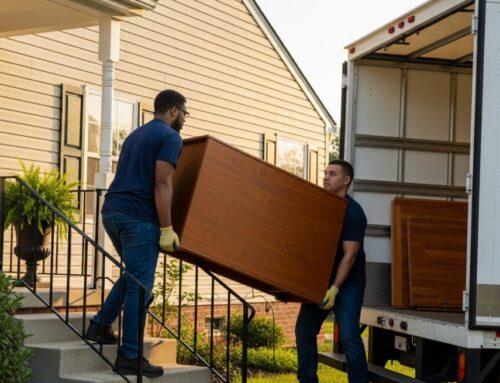
On moving day, have a plan for parking and elevator access if you live in an apartment building. Notify the building manager if you need a moving truck reservation. If you hire professional movers, confirm the time and payment method. For a longer move, consider a portable storage container that arrives at your new place later. After you unload, start with the essentials: make your bed, set up the bathroom, and plug in the refrigerator. Then unpack the kitchen and living room gradually. Give yourself a week to fully settle rather than trying to do everything in one day. This reduces burnout and helps you arrange furniture thoughtfully.
Do not forget to change the locks (with landlord permission) or get your own deadbolt if allowed. Test smoke and carbon monoxide detectors, and replace batteries if needed. Walk through the entire apartment and document any pre-existing damage with photos for your move-in checklist. This protects your security deposit when you eventually move out.
Frequently Asked Questions
What are the absolute first apartment essentials I must buy before moving in?
Focus on a few critical items that keep you comfortable immediately: a bed or air mattress, sheets, pillows, towels, toilet paper, soap, trash can, cleaning supplies, a few basic kitchen tools (pan, plate, utensils), and a light source (lamp or overhead light). Everything else can be added over the first few weeks.
How do I budget for first apartment furniture if I have very little money?
Start with secondhand stores, online marketplaces, and garage sales. A used table and chairs, a sofa, and a dresser can be found for a fraction of retail prices. Prioritize a good mattress for sleep and a sturdy table for eating. Use floor cushions or an inflatable couch as a temporary solution. Avoid buying new large furniture until you have lived in the space and understand your layout and storage needs.
Should I buy a washer and dryer for my first apartment?
Only if your apartment has hookups and you are staying long term. Most first apartments are rentals, and major appliances are not worth the investment unless you plan to stay several years. Use laundromats or building shared laundry. If you do buy, choose compact or stackable units to save space.
How can I reduce the number of things I need to buy?
Declutter before you move. The less stuff you own, the less you need to buy for a new place. Ask friends and family for hand-me-downs. Many people have extra kitchen items, lamps, or small tables they are willing to give away. Also consider borrowing items you rarely use, such as a vacuum or power tools, until you know you need them regularly.
What is the one thing people forget most often when moving into their first apartment?
Curtain rods and window coverings. Many apartments come with no blinds or rods, leaving you exposed. Also, a can opener, a pair of scissors, and a step stool are frequently overlooked. Keep a small tool kit accessible during the first days.
Finish Strong: Settle In and Enjoy Your New Home
Moving into your first apartment is a learning experience. You will likely make mistakes buy a coffee maker that is too large, forget to buy a shower curtain until after your first shower or underestimate how many kitchen towels you need. That is okay. Every misstep teaches you more about what truly matters in your space. The most important thing is that you have a roof over your head and a place to call your own. Use this first apartment checklist to cover the basics, then give yourself grace as you build your home over time. With careful planning and a room-by-room approach, you can skip the chaos and focus on the joy of this new chapter. Welcome home.