Finding Affordable Movers in New Jersey: A Smart Budget Guide
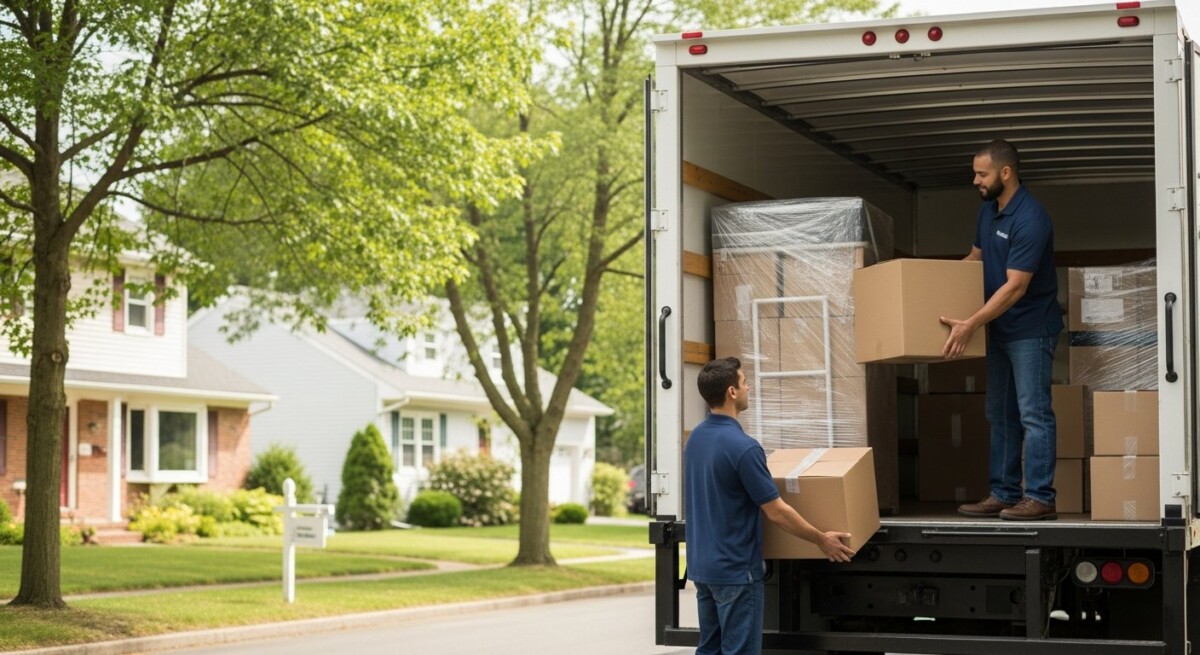
Moving in New Jersey doesn’t have to drain your savings. The key to a successful, low-stress relocation lies in finding truly budget-friendly New Jersey movers who offer transparent pricing without sacrificing reliability. Many residents assume that hiring professional movers is a luxury, but with the right strategy, it can be a cost-effective choice that saves you time, prevents injury, and protects your belongings. This guide will walk you through the entire process of securing an affordable, reputable moving company in the Garden State, from understanding cost factors to spotting red flags and maximizing every dollar of your moving budget.
Understanding Moving Costs in New Jersey
Before you can find a budget-friendly option, you need to understand what drives moving costs. Prices in New Jersey are influenced by several key factors. The distance of your move is the most significant. A local move within the same county will be billed at an hourly rate, typically ranging from $90 to $150 per hour for a two to three-person crew and truck. For long-distance moves (generally over 100 miles), companies switch to a weight and distance-based pricing model. The total weight of your shipment and the miles it travels will determine the final cost.
Other major cost factors include the volume of your belongings, the services you require, and the time of year. A fully packed four-bedroom house costs exponentially more to move than a one-bedroom apartment. Opting for full-service packing, where the movers pack all your items, adds a substantial amount but can be worth the time savings. The season also plays a huge role. Summer months, weekends, and the beginning and end of the month are peak moving times, resulting in higher rates and limited availability. If your schedule is flexible, moving on a weekday in the fall or winter can lead to significant savings. For a deeper dive into planning your moving budget, our resource on cost and budgeting for moves offers a detailed framework.
Strategies for Identifying Truly Affordable Movers
“Budget-friendly” should never mean “cheap and unreliable.” The goal is to find the best value: a company that offers fair, competitive rates for quality service. Start by gathering at least three to five in-home or virtual estimates. Reputable companies will send a representative to assess your belongings, which leads to a more accurate quote than a phone or online guess. Be wary of any estimate that seems drastically lower than the others; this is often a low-ball tactic that leads to hidden fees on moving day.
During the estimate, be explicit about everything you need to move. Show the estimator every closet, the garage, the basement, and the attic. Ask detailed questions about what is and isn’t included. A crucial step is to understand the type of estimate you are receiving. A binding estimate guarantees the total price, provided your inventory doesn’t change. A non-binding estimate is just an approximation, and the final cost can be higher based on the actual weight and services. For budget control, a binding not-to-exceed estimate is ideal: you pay the quoted price if the actual cost is higher, but less if the actual cost is lower.
To streamline your search and compare transparent pricing from vetted companies, you can always get a free moving quote through our trusted partner network. This is a practical next step after you have a basic understanding of your moving needs.
Essential Services: What to Expect and What to Skip
Understanding standard moving services helps you decide where to spend and where to save. Most local moves include loading, transportation, and unloading. Long-distance moves include those basics plus fuel and transportation costs. The major add-ons that impact price are packing, furniture disassembly/reassembly, and handling special items.
Packing is often the most labor-intensive service. You can save a considerable amount by doing it yourself. Use free boxes from grocery stores, buy packing paper and tape in bulk, and start weeks in advance. If you opt for professional packing, you can choose to pack fragile items only (like dishes and art) while handling simple items like linens and books yourself. Regarding furniture, most standard pieces like beds and tables will need to be taken apart. It’s important to clarify this during the estimate. As detailed in our article on furniture disassembly services, professional movers will typically handle this, but confirming it is included in your quote prevents surprise charges.
Consider skipping these common upsells to stay budget-friendly: premium packing materials for non-fragile items, expedited service unless absolutely necessary, and full-service unpacking. You can also save by ensuring you are fully moved out and ready on moving day, as mover waiting time is billed at the same hourly rate.
Red Flags and How to Vet a Moving Company
Protecting your budget also means protecting yourself from scams and subpar service. Thorough vetting is non-negotiable. First, verify the company’s credentials. Any mover operating in New Jersey must have a valid USDOT number for interstate moves and be registered with the New Jersey Division of Consumer Affairs for intrastate moves. You can check their safety record and complaint history on the FMCSA’s SAFER website. Always check their physical address; a P.O. box or vague location is a major warning sign.
Look for consistent positive reviews across multiple platforms like Google, BBB, and Yelp. Pay attention to how the company responds to negative feedback. A professional, resolution-oriented response is a good sign. Be extremely cautious of companies that demand a large cash deposit or full payment upfront. A reputable mover will require a small deposit to secure your date, with the balance due upon delivery of your items. Finally, ensure everything is in writing. Your estimate, inventory list, and all service agreements should be documented in a clear, detailed contract.
Key red flags to avoid include:
- No in-home or virtual video estimate.
- Requests for large cash deposits or wire transfers.
- Unmarked rental trucks instead of company-branded vehicles.
- Vague or evasive answers to direct questions about insurance and licensing.
- Extreme pressure to sign a contract immediately.
Frequently Asked Questions
What is the average cost for local movers in New Jersey?
For a local move, the average cost ranges from $500 to $1,500 for a two to three-bedroom home, based on a two to four-hour job at an hourly rate. The final price depends heavily on the volume of items, stairs, elevator access, and distance between homes.
Are there any hidden fees I should ask about?
Yes, always ask about potential additional charges. Common ones include fees for long carries (if the mover can’t park within a certain distance of your door), stair carries, shuttle service for large trucks that can’t access your street, and fees for moving bulky items like pianos or pool tables. A transparent company will disclose these upfront.
How far in advance should I book budget-friendly movers?
For the best rates and availability, book at least four to eight weeks in advance. If you are moving during peak season (May through September), aim for the longer end of that range. Last-minute bookings are almost always more expensive.
Is moving insurance included?
By law, all licensed movers provide Released Value Protection at no extra cost. This offers minimal coverage (e.g., 60 cents per pound per item). For full value protection, which covers the repair or replacement cost of damaged items, you must purchase additional valuation insurance. Discuss the options and costs with your mover during the estimate.
Can I save money by moving myself?
A DIY move with a rental truck can be cheaper for very small moves, but it adds immense physical labor, time, and risk. When you factor in truck rental, fuel, equipment, insurance, and potential for damage or injury, hiring budget-friendly New Jersey movers often provides better value and peace of mind.
Securing a budget-friendly move in New Jersey is a realistic goal with careful planning and informed choices. By understanding pricing models, vetting companies thoroughly, and making strategic decisions about which services to use, you can access professional moving help without financial strain. The investment in a reputable, affordable mover protects your belongings, your time, and your sanity, making your transition to a new home a positive start to your next chapter.