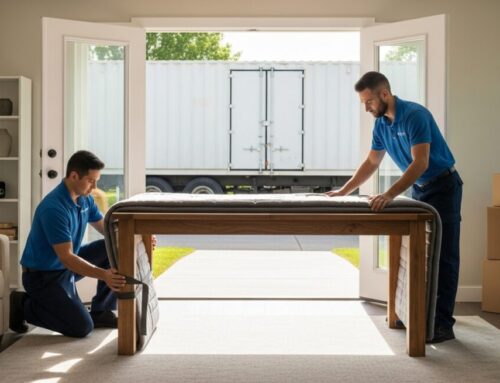
Choosing Household Moving Companies for Residential Relocation

Moving your home is one of the most significant logistical events a family can face. Between sorting through years of belongings, coordinating timelines, and managing the physical labor, the process often feels overwhelming. This is where professional household moving companies and residential relocation services step in to transform a chaotic experience into a structured, manageable project. Instead of relying on friends with pickup trucks or renting a van yourself, partnering with experienced residential movers can save you time, reduce physical strain, and protect your valuable possessions. The key is knowing how to select the right partner for your specific needs and budget.
Many homeowners underestimate the complexity of a modern move. It is not simply about transporting boxes from point A to point B. A successful residential relocation involves careful inventory management, proper packing techniques for fragile items, navigating stairs and narrow hallways, and complying with insurance and liability requirements. Professional home moving services offer a comprehensive solution that addresses each of these pain points. By understanding what these companies provide and how to evaluate them, you set the stage for a move that is on time, on budget, and free of major surprises.
What Services Do Household Moving Companies Offer?
The scope of services available from modern residential movers extends far beyond loading a truck. Most reputable household moving companies provide a menu of options that can be tailored to your situation. The most basic package is a loading and transport service, where the crew arrives with a truck, loads your pre-packed boxes and furniture, drives to your new home, and unloads everything. However, many families opt for a fuller service to reduce their personal workload.
Full-service moving is the most comprehensive option. In this scenario, the moving team handles every aspect of the relocation. They arrive with packing supplies, professionally wrap and box all of your belongings, disassemble furniture, load the truck, transport everything, unload at the destination, reassemble furniture, and unpack boxes into the designated rooms. This service is ideal for busy professionals, families with young children, or anyone who wants to minimize the physical and mental toll of moving. Many residential movers also offer specialized add-ons such as:
- Packing and unpacking services for specific rooms like kitchens or home offices.
- Short-term or long-term storage in climate-controlled facilities.
- Handling of specialty items such as pianos, pool tables, artwork, and antiques.
- Vehicle transport for cars, motorcycles, or boats.
These options allow you to create a custom moving plan. For example, you might choose to pack your own clothes and books but hire the movers to handle the fragile china and heavy furniture. By understanding the full range of offerings, you can negotiate a package that fits your budget while still getting professional help where you need it most.
How to Evaluate and Select a Residential Mover
Choosing the right company requires more than just picking the lowest estimate. The moving industry has a reputation for occasional bad actors, so due diligence is critical. Start by creating a shortlist of at least three household moving companies that serve your route. For local moves, check their physical address and verify they have a local presence. For long-distance moves, ensure they are registered with the Federal Motor Carrier Safety Administration (FMCSA) and have a valid U.S. DOT number.
Once you have a list, request in-home estimates. Reputable residential movers will want to see your belongings in person to provide an accurate quote. Avoid companies that give quotes over the phone or via email without a virtual or physical walkthrough. During the estimate, ask specific questions about how they handle large items, what their packing materials cost, and whether there are any additional fees for stairs, long carries, or shuttles (if the moving truck cannot park directly at your door). A professional mover will walk through every room, take notes, and explain the entire process clearly.
After receiving estimates, compare the services included, not just the bottom line price. One company might include packing materials in their quote, while another charges separately. Look for guarantees on pricing and timing. Some of the best house moving services for a smooth residential relocation offer binding estimates, meaning the final price cannot exceed the quoted amount unless you add items or services later. This protects you from surprise bills on moving day.
Understanding Moving Estimates and Binding Quotes
The financial side of residential relocation can be confusing if you are not familiar with industry terminology. There are two primary types of estimates: non-binding and binding. A non-binding estimate is essentially a rough guess. The final cost can increase based on the actual weight of your shipment or the time it takes to load and unload. This type of estimate carries risk because you do not know the final price until the job is complete. A binding estimate, on the other hand, is a guaranteed price. The mover agrees to perform the specified services for that amount, regardless of how much the shipment actually weighs or how long it takes. This is the preferred option for most consumers because it provides financial certainty.
Another important variation is the not-to-exceed estimate. This is a hybrid where you pay the lower of either the binding estimate or the actual cost based on weight. If your shipment weighs less than expected, you pay less. But if it weighs more, you are protected by the capped amount. When discussing your move with household moving companies, ask specifically which type of estimate they provide. A reputable company will be transparent and may offer several options. Always get the final estimate in writing before the move begins, and read the fine print regarding additional charges for stairs, long carries, or packing materials.
The Role of Insurance and Liability Coverage
Protecting your belongings during transit is a top concern. By law, all licensed movers must offer two levels of liability protection. The first is Released Value Protection, which is included at no additional cost. However, this coverage is minimal. It provides only 60 cents per pound per item. For example, if a 10-pound lamp is broken, you would receive only $6.00. This is clearly insufficient for valuable electronics, furniture, or antiques. The second option is Full Value Protection, which is the recommended choice for most families.

With Full Value Protection, the moving company is liable for the replacement value of any items they lose or damage. They must either repair the item, replace it with a similar item, or pay you the current market value for the loss. This coverage does come at an additional cost, typically a percentage of the total move value. However, it offers peace of mind that your belongings are properly insured. When comparing household moving companies and residential relocation providers, ask for a detailed explanation of their insurance offerings. Some companies also allow you to purchase third-party insurance for high-value items like jewelry or artwork. Understanding the difference between these two liability options can save you from a devastating financial loss if something goes wrong.
Preparing for Moving Day with Professional Movers
Once you have selected your mover and signed the contract, preparation is key to a smooth experience. Start by decluttering your home several weeks before the move. Donate, sell, or discard items you no longer need. This reduces the weight of your shipment, which can lower your costs, and it makes unpacking at your new home much easier. Next, create a detailed inventory of your belongings. Professional residential movers will use a digital inventory system to track every box, but having your own list helps you verify that everything arrives.
Pack a separate essentials box or suitcase for the first 24 to 48 hours in your new home. This should include toiletries, a change of clothes, medications, phone chargers, important documents, snacks, and basic tools. Label this box clearly and keep it with you rather than loading it on the truck. On moving day, be present to walk through the home with the crew leader. Point out any fragile items and confirm the layout of your new home. Clear pathways of obstacles, protect your floors with drop cloths, and ensure the moving team has easy access to all rooms. A little preparation on your part allows the professional movers to work efficiently and reduces the chance of accidents.
Frequently Asked Questions
How far in advance should I book a moving company?
For local moves, booking 4 to 6 weeks ahead is recommended. For long-distance moves during the peak season (May through September), you should book 8 to 12 weeks in advance to secure your preferred date.
What is the difference between a local and long-distance mover?
Local moves are typically charged by the hour and are based on the number of movers and time required. Long-distance moves are charged by the weight of the shipment and the distance traveled. Long-distance moves also require a bill of lading and are regulated by the FMCSA.
Can I pack my own belongings to save money?
Yes, many household moving companies allow you to pack your own items. However, they may not be liable for damage to items they did not pack. If you choose to pack yourself, use sturdy boxes and plenty of packing material. Most movers offer packing supplies for purchase.
What items do movers typically not transport?
Movers generally will not transport hazardous materials (paint, propane tanks, cleaning fluids), perishable food, plants, pets, or personal valuables like cash, jewelry, and important documents. You should transport these items yourself.
How do I file a claim if something is damaged?
Note any damage on the inventory sheet before signing it at delivery. Then file a written claim with the moving company within the timeframe specified in your contract (usually 30 to 90 days). Keep photos of the damage and the original packing materials as evidence.
Selecting the right team for your move is an investment in your time and peace of mind. By focusing on transparent pricing, proper licensing, and comprehensive insurance, you can confidently hand over the heavy lifting to professionals. The goal of any residential relocation is to arrive at your new home with your belongings intact and your stress levels low. With the right preparation and a trusted moving partner, that goal is entirely achievable.