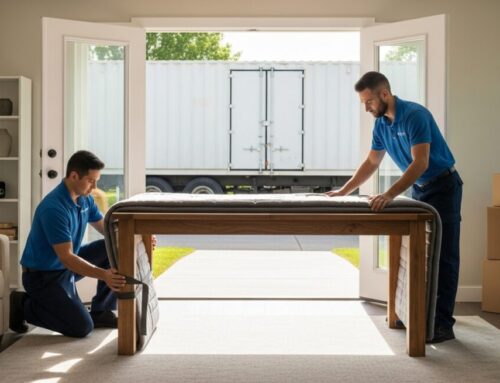
Shifting Services for Homes and Businesses Explained

Moving a home or a business is rarely a simple task. It involves coordinating timelines, protecting fragile items, managing heavy furniture, and ensuring that nothing gets lost in the shuffle. For many people, the difference between a stressful move and a smooth transition comes down to one choice: whether to hire professionals. Shifting services for homes and businesses explained in practical terms means understanding what these services include, how they work, and why they matter for your specific situation. Whether you are relocating your family across town or moving your office to a new city, knowing what to expect from a professional moving team can save you time, money, and frustration.
Understanding the Scope of Professional Shifting Services
Professional shifting services cover a wide range of activities that go far beyond simply loading a truck. A full-service moving company typically offers packing, loading, transportation, unloading, and unpacking. Some also provide specialized options like furniture disassembly and reassembly, fragile item handling, and short-term or long-term storage. The goal is to take the physical and logistical burden off your shoulders so you can focus on other priorities like setting up utilities, updating your address, or managing your team during a business relocation.
When you engage a shifting service, you are essentially hiring a team of trained professionals who follow a structured process. They start with an assessment of your belongings, provide a quote, and then plan the move according to your schedule. On moving day, they arrive with the right equipment, packing materials, and vehicles to handle the job efficiently. This level of organization is especially valuable for businesses where downtime directly affects revenue. For homeowners, it reduces the risk of damage to prized possessions and minimizes the physical strain of heavy lifting.
Key Differences Between Residential and Commercial Shifting
While the core principles of shifting are similar for homes and businesses, the execution differs significantly. Residential moves often involve personal belongings, sentimental items, and furniture that requires careful handling. The timeline is usually flexible, and the move can sometimes be completed in a single day. In contrast, commercial shifting deals with office furniture, electronics, sensitive documents, and specialized equipment. Business moves frequently require after-hours scheduling to avoid disrupting operations, and they may involve multiple phases to keep the business running during the transition.
Another major difference is the volume of items. A typical household move might involve a few rooms of furniture and boxes. A business move can include dozens of workstations, server rooms, filing cabinets, and breakroom appliances. This scale demands more coordination, larger crews, and sometimes multiple trucks. Additionally, commercial shifting often includes services like IT equipment packing and reinstallation, which require technical knowledge. For a deeper look at how these processes differ and what you should consider, our guide on how relocation services for homes and businesses work provides a detailed breakdown of each step.
Core Services Included in a Typical Shifting Package
Most professional shifting companies offer a menu of services that can be customized to your needs. Understanding these options helps you choose the right level of support for your move. Here are the most common services you can expect:
- Packing and Unpacking: Professional packers use high-quality materials like double-walled boxes, bubble wrap, and packing paper to secure your items. They label boxes by room and content, making unpacking much easier. Unpacking services are also available to help you settle in faster.
- Loading and Unloading: Trained movers handle the heavy lifting, using dollies, straps, and ramps to safely load your belongings onto the truck. They also unload and place items in the correct rooms at your new location.
- Transportation: Moving companies provide well-maintained trucks equipped with air-ride suspension and climate control for long-distance moves. This protects your items from road vibrations and temperature extremes.
- Furniture Disassembly and Assembly: Large items like beds, desks, and modular sofas are taken apart for safe transport and reassembled at your destination. This prevents damage and ensures everything fits through doorways and hallways.
- Storage Solutions: If your move dates do not align perfectly, many companies offer short-term or long-term storage in secure, climate-controlled facilities. This is especially useful during a business relocation where the new space might not be ready immediately.
Each of these services adds a layer of convenience and protection. For example, packing services alone can save you days of work and reduce the risk of broken items. When you combine them, the entire moving process becomes a managed project rather than a chaotic event.
How to Choose the Right Shifting Service Provider
Selecting a shifting company requires careful research. Not all providers offer the same level of quality, and the cheapest option is not always the best value. Start by getting multiple quotes from licensed and insured movers. Ask for an in-home or video survey rather than a quote over the phone. This ensures the estimate is accurate and based on the actual volume of items you need to move.
Check online reviews and ask for references from recent customers. Look for patterns in feedback. A few negative reviews are normal, but consistent complaints about damaged items, late arrivals, or hidden fees are red flags. Also, verify that the company has proper licensing. For interstate moves in the United States, the company should have a USDOT number registered with the Federal Motor Carrier Safety Administration. For local moves, check state-specific requirements.
Another important factor is the range of services offered. If you need specialized handling for pianos, artwork, or sensitive electronics, confirm that the company has experience with those items. Some movers offer custom crating for valuable or oddly shaped objects. For businesses, ask about their experience with office relocations and whether they can provide IT support for disconnecting and reconnecting computer networks.
Pricing Structures and What to Watch For
Shifting services are typically priced in one of two ways: hourly rates for local moves or flat rates based on weight and distance for long-distance moves. Hourly rates usually include the crew, truck, and basic equipment. Flat rates factor in fuel, tolls, and labor for the entire journey. Some companies also charge additional fees for stairs, elevators, long carries, or packing materials.
To avoid surprises, ask for a detailed written estimate that breaks down all potential charges. Reputable movers provide binding estimates, meaning the price is guaranteed as long as you do not add or remove items. Non-binding estimates are less reliable and can lead to higher final bills. Also, be cautious of companies that demand large deposits upfront. Legitimate movers typically ask for payment upon delivery, not before.
Insurance is another cost consideration. Basic liability coverage is usually included but only covers a small amount per pound. For valuable items, you may want to purchase full-value protection, which covers the replacement cost of lost or damaged goods. Discuss these options with your mover and choose the level of coverage that matches the value of your belongings.

Preparing for Your Move: A Practical Checklist
Preparation is the key to a successful move. Start planning at least four to six weeks before your target date. Begin by decluttering your home or office. Donate, sell, or discard items you no longer need. This reduces the volume of items to shift and lowers your moving cost. Next, create a moving binder or digital folder to keep all documents, contracts, and receipts organized.
Notify important parties about your move. This includes your landlord or property manager, utility companies, the post office, banks, insurance providers, and any subscription services. For businesses, inform clients, vendors, and employees well in advance. Schedule the disconnection and connection of utilities to avoid gaps in service. On packing day, label every box clearly with its contents and destination room. Keep a separate bag of essentials like toiletries, medications, chargers, and a change of clothes that you carry with you rather than pack in the truck.
Common Mistakes to Avoid During a Shift
Even with professional help, mistakes can happen. One common error is underestimating the time required to pack. Start packing non-essential items weeks before the move. Leave only daily essentials for the last few days. Another mistake is failing to communicate special requirements to the moving team. If you have an antique china cabinet or a sensitive server rack, tell the movers in advance so they can bring the right equipment and supplies.
Overloading boxes is another frequent issue. Heavy items like books should be packed in small boxes to keep weights manageable. Light items like linens can go in larger boxes. This prevents injuries and makes the truck load more stable. Finally, do not forget to take photos of your electronics and furniture setups before disassembly. This makes reassembly much easier and helps with insurance claims if something goes wrong.
Frequently Asked Questions About Shifting Services
How far in advance should I book a shifting service?
For local moves, booking two to four weeks ahead is usually sufficient. For long-distance or interstate moves, book at least six to eight weeks in advance, especially during the peak moving season from May to September.
What items cannot be moved by professional movers?
Most movers will not transport hazardous materials like propane tanks, paint thinners, cleaning chemicals, or batteries. They also typically refuse perishable food, plants, and pets. Check with your mover for a complete list of prohibited items.
Do I need to be present during the move?
It is strongly recommended that you or a trusted representative be present at both the origin and destination. This allows you to answer questions, grant access, and verify the inventory list. For business moves, a point of contact should be available to guide the crew and handle any issues.
Can I pack my own belongings to save money?
Yes, many companies offer self-packing options. However, if you pack yourself, the mover may not be liable for damage caused by improper packing. If you have valuable or fragile items, professional packing is a worthwhile investment.
What happens if my belongings are damaged during the move?
If you purchased adequate insurance or valuation coverage, you can file a claim with the moving company. Document the damage with photos and keep the original packing materials. Most companies have a claims process that requires you to submit a form within a specified time frame, often 30 to 90 days after delivery.
For those looking to finance their move or manage associated costs, exploring options like car loan refinancing can free up monthly cash flow, making it easier to budget for professional shifting services without strain.
Making Your Move a Success
Shifting services for homes and businesses explained clearly shows that professional help can transform a chaotic experience into an organized one. By understanding the scope of services, preparing properly, and choosing a reliable provider, you protect your belongings and reduce stress. Whether you are moving your family to a new neighborhood or relocating your company to a larger office, the right shifting service makes all the difference. Take the time to research your options, ask the right questions, and plan ahead. Your future self will thank you when moving day arrives and everything goes according to plan.