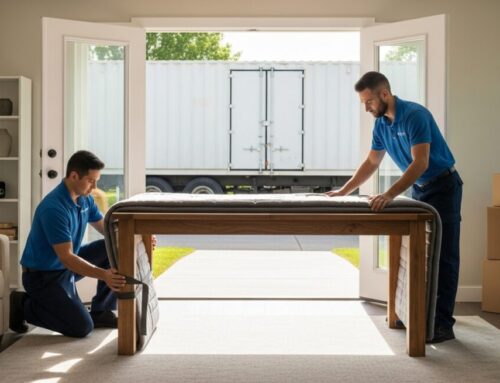
Interstate Relocation Services Complete Guide

Moving across state lines can feel like navigating a maze of logistics, costs, and regulations. Whether you are relocating for a new job, family reasons, or a fresh start, the process requires careful planning. An interstate move is not simply a longer version of a local move. It involves different rules, pricing structures, and coordination. This guide walks you through every stage of the journey, helping you avoid common pitfalls and secure a smooth transition to your new home.
The challenge of moving hundreds or thousands of miles is significant. You must coordinate packing, transportation, and timing while ensuring your belongings arrive safely. Many people underestimate the complexity of interstate relocation. They focus only on the destination without fully understanding the steps required to get there. By approaching the move with a clear strategy, you can reduce stress and protect your budget. This guide covers everything from choosing a provider to unpacking on the other side.
Understanding Interstate Relocation Services
Interstate relocation services differ from local moves in several key ways. The primary difference is that your belongings cross state lines, which means the move is regulated by federal laws. The Federal Motor Carrier Safety Administration (FMCSA) oversees interstate moving companies. This oversight provides consumer protections that do not apply to intrastate moves. When you hire a company for interstate relocation, you should verify that they have a valid USDOT number and are registered with the FMCSA.
Another major difference is pricing. Local moves are often billed by the hour. Interstate moves are typically priced based on the weight of your shipment and the distance traveled. This weight-based system means that an accurate estimate depends on a thorough inventory of your items. Professional movers will conduct a virtual or in-home survey to assess your belongings. They then provide a binding or non-binding estimate. A binding estimate guarantees the total cost based on the listed items, protecting you from surprise charges at delivery.
Interstate relocation services also include a range of options that go beyond basic transportation. Many companies offer packing and unpacking, furniture disassembly and reassembly, and temporary storage. These add-ons can significantly reduce your workload. However, they also increase the overall cost. It is important to evaluate which services you truly need. For example, if you have fragile antiques or expensive electronics, professional packing is a wise investment. If you are on a tight budget, you might pack your own belongings and only pay for loading, transport, and unloading.
When researching providers, look for companies that specialize in long-distance moves. Not all local movers have the equipment or licensing for interstate relocation. You can check a company’s reputation through online reviews, the Better Business Bureau, and FMCSA complaint records. A reputable mover will provide clear contracts, transparent pricing, and a dedicated move coordinator. Avoid companies that demand large upfront deposits or provide estimates without inspecting your items.
The Cost of Interstate Moving
Budgeting for an interstate move requires understanding the factors that influence the final price. The average cost of a long-distance move ranges from $2,000 to $5,000 or more, depending on distance and volume. The two main cost drivers are weight and distance. Heavier shipments require more fuel and labor. Longer distances increase transportation time and expense. Additional services like packing, storage, and stair carries add to the total.
It is also important to consider the season. Moving during the summer months or at the end of the month is more expensive due to high demand. If you have flexibility, scheduling your move for fall or winter can save you hundreds of dollars. Weekdays are generally cheaper than weekends. You should also factor in insurance costs. Basic liability coverage is usually included, but it offers minimal protection. Full value protection costs extra but ensures that the mover is responsible for replacing or repairing damaged items.
To get an accurate picture of costs, request quotes from at least three different interstate relocation services. Compare the estimates carefully. Look beyond the bottom line. Check what is included in the price. Some companies offer low base rates but charge extra for fuel surcharges, shuttle services, or long carry fees. A binding estimate is the safest option because it locks in the price. A non-binding estimate means the final cost can increase if your shipment weighs more than expected. Always ask for a written copy of the estimate and read the fine print.
Hidden fees can derail your budget if you are not prepared. Common surcharges include fees for moving bulky items like pianos or pool tables, charges for elevators or long walks from the truck to your door, and penalties for delays on your part. Ask your mover to list all potential additional charges in the contract. A transparent company will explain these costs upfront. The goal is to avoid unpleasant surprises on moving day.
Planning Your Interstate Move Step by Step
A successful interstate relocation depends on a detailed plan. Start your preparations at least eight weeks before your move date. This timeline gives you enough time to research movers, sort your belongings, and handle administrative tasks. The first step is to create a moving binder or digital folder. Store all contracts, receipts, inventory lists, and contact information in one place. This organization will save you time and stress later.
Next, decide what to take with you. Interstate relocation is an excellent opportunity to declutter. Moving items you no longer use costs money. Go through each room and separate items into keep, donate, sell, and discard piles. Host a garage sale or list valuable items online. Donate usable goods to charity and get a receipt for a potential tax deduction. Dispose of hazardous materials like paint, propane tanks, and cleaning chemicals. Movers will not transport these items due to safety regulations.
After decluttering, create a detailed inventory of everything you plan to move. This list is essential for the moving estimate and for insurance purposes. Include a description of each item, its condition, and an estimated value. Take photos of high-value items like electronics, jewelry, and artwork. This documentation will help if you need to file a claim for damage or loss. Share the inventory with your mover and keep a copy for yourself.
Here are the key steps to follow in the weeks leading up to your move:
- Eight weeks before: Research and book your interstate moving company. Notify your landlord or start the process of selling your home. Begin decluttering and sorting belongings.
- Six weeks before: Change your address with the post office. Notify banks, credit card companies, and subscription services. Transfer or cancel utilities at your old address and set up services at your new home.
- Four weeks before: Begin packing non-essential items. Label boxes clearly with the room and contents. Arrange for travel and accommodations if you are driving or flying to your new location.
- Two weeks before: Pack essential items separately. These include toiletries, medications, a change of clothes, important documents, and valuables you will transport yourself. Confirm the moving date and time with your mover.
- One week before: Finish packing all remaining items. Disconnect appliances and prepare large furniture for the move. Defrost your refrigerator and drain garden hoses. Confirm the arrival details with your mover.
Following this timeline ensures that nothing is forgotten. It also spreads the workload over several weeks, preventing last-minute panic. Remember that interstate relocation requires coordination across multiple parties. Your mover, your employer (if they are funding the move), and your family all need to be on the same page. Regular communication with your move coordinator is essential.
Choosing the Right Moving Company
Selecting a reliable company is the most important decision you will make during your interstate relocation. Not all movers are created equal. Some operate with high standards of professionalism and care. Others may cut corners or engage in fraudulent practices. To find a trustworthy partner, start by asking for recommendations from friends, family, or your real estate agent. Online platforms like the Better Business Bureau and FMCSA’s website provide valuable data on complaint history and licensing.

When you have a list of potential companies, conduct interviews. Ask about their experience with interstate relocation services. Request their USDOT number and verify it on the FMCSA website. A legitimate company will have a physical address and a local phone number. Be wary of companies that only use a P.O. box or a toll-free number. Ask about their process for handling claims. A reputable mover will have a clear procedure for resolving disputes over damaged or lost items.
Another critical factor is the type of estimate offered. A binding estimate is the gold standard for interstate moves. It protects you from price increases based on weight or additional services. Some companies offer a binding not-to-exceed estimate. This means the final price will be the lower of the estimated cost or the actual cost based on weight. This option gives you the benefit of a potential refund if your shipment weighs less than expected. Avoid companies that only provide non-binding estimates or refuse to put the price in writing.
You should also evaluate the company’s customer service. How quickly do they respond to your questions? Are they transparent about their policies? Do they provide a clear contract that outlines your rights and responsibilities? A company that communicates well before the move is likely to be responsive during the move. Read online reviews but take them with a grain of salt. Look for patterns in feedback rather than focusing on individual complaints. A few negative reviews are normal, but a consistent pattern of late deliveries or hidden fees is a red flag.
For businesses handling employee relocations, the stakes are even higher. In our guide on commercial relocation services for businesses, we explain how to coordinate multiple moves efficiently while minimizing downtime. The same principles of vetting and communication apply to corporate relocations. Whether you are moving a single employee or an entire office, choosing the right partner is essential.
Packing Strategies for a Long-Distance Move
Packing for an interstate move requires more care than a local move. Your belongings will be on a truck for several days. They will be loaded and unloaded multiple times. Proper packing reduces the risk of damage. Start by gathering high-quality supplies. You need sturdy boxes in various sizes, packing tape, bubble wrap, packing paper, and markers. Avoid using old boxes that are weak or misshapen. Invest in specialty boxes for dishes, electronics, and wardrobe items.
Use a systematic approach to packing. Pack one room at a time. Label each box with the room it belongs to and a brief description of the contents. Indicate if the box is fragile. Tape the bottom of each box securely before filling it. Pack heavier items in small boxes to keep the weight manageable. Place lighter items in larger boxes. Fill empty spaces with packing paper or bubble wrap to prevent items from shifting during transit. Do not overpack boxes, as they may burst open under pressure.
For fragile items like dishes and glassware, use plenty of cushioning. Wrap each item individually in packing paper. Place a layer of crumpled paper at the bottom of the box. Stack dishes vertically on their edges, not flat. Place a layer of padding between each layer. Fill any gaps with more paper. Mark the box as fragile on all sides. For electronics, use original packaging if you still have it. Otherwise, wrap each component in anti-static bubble wrap and place it in a sturdy box with ample cushioning.
Consider hiring professional packers for your interstate relocation. They have the experience and materials to pack efficiently and safely. This service can save you days of work and reduce the risk of damage. If you decide to pack yourself, start early. Do not leave packing until the day before the move. You will likely underestimate the time required. Pack a separate essentials box for each family member. This box should contain items you will need immediately upon arrival, such as toiletries, medications, phone chargers, a change of clothes, and important documents. Transport this box in your personal vehicle, not the moving truck.
Managing Moving Day and Beyond
Moving day is the culmination of weeks of planning. Stay organized and communicate clearly with the moving crew. Be present when the movers arrive to walk through your home and point out fragile items. Provide them with a copy of your inventory list. Ensure that all boxes are sealed and labeled before loading begins. Keep your phone charged and have your moving contract and estimate handy. Take photos of your home before the movers start loading. This documentation can be useful if there are disputes about damage to the property.
During the loading process, stay nearby to answer questions. The crew may need guidance on which items go where. If you have items that require special handling, such as a piano or large artwork, point them out. After the truck is loaded, do a final walkthrough of your old home. Check closets, cabinets, and the attic to ensure nothing is left behind. Lock all doors and windows. Leave the keys with your real estate agent or landlord as agreed.
Once the truck departs, focus on your travel to the new home. If you are driving, plan your route and book accommodations in advance. If you are flying, confirm your flight and transportation from the airport. Keep your moving company’s contact information accessible. They should provide an estimated delivery window. Interstate relocation often involves a delivery window of several days. The company will call you when they are 24 hours away from arrival. Be flexible with your schedule to accommodate the delivery.
When the movers arrive at your new home, conduct a thorough inspection before they unload. Check for any visible damage to boxes or furniture. Unpack the essentials box first. Direct the movers on where to place furniture and boxes. Use your inventory list to verify that everything has arrived. Note any damage on the inventory list and have the driver sign it. File a claim with the moving company promptly if you discover damage after they leave. Most companies have a time limit for filing claims, so do not delay.
Unpacking can take weeks, so do not rush. Focus on setting up the kitchen, bedrooms, and bathrooms first. Assemble furniture and hang curtains gradually. Explore your new neighborhood and find nearby grocery stores, pharmacies, and hospitals. Update your driver’s license and vehicle registration with your new address. Register to vote in your new state. The post-move period is about settling in and making your new house feel like home.
Interstate relocation is a significant life event. It requires patience, organization, and a willingness to adapt. By following the steps outlined in this guide, you can minimize stress and maximize the chances of a successful move. Remember that professional interstate relocation services are available to handle the heavy lifting, literally and figuratively. Whether you choose a full-service mover or a more DIY approach, the key is to plan ahead and stay informed. Your new home is waiting. With the right preparation, you will arrive ready to start the next chapter.
For more resources on planning your move, including checklists and tips for specific situations, visit Moving.Homes. The site offers expert guidance to help you through every stage of your relocation journey. From choosing a mover to unpacking your last box, you can find the information you need to make informed decisions. Interstate relocation does not have to be overwhelming. With the right support, it can be a smooth and even exciting transition.