
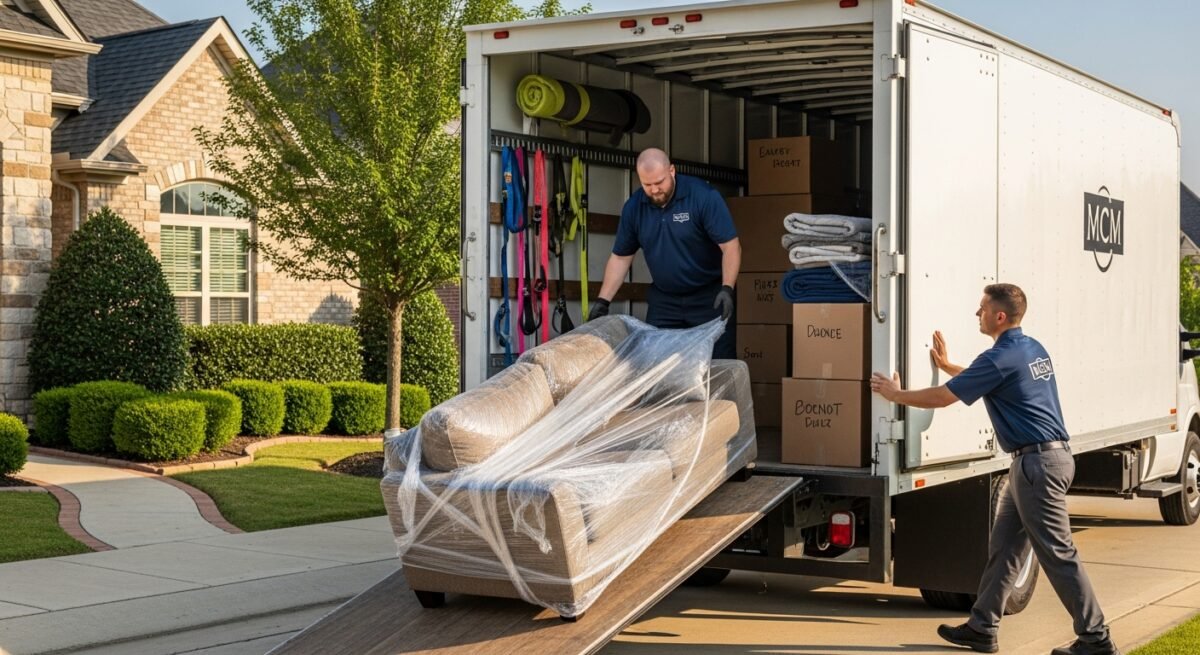
Why Hiring Licensed and Insured Movers Near Me Is Essential
Hiring licensed and insured movers near me protects you from financial liability and ensures accountability for damaged goods. It is the single most important factor for a secure move.

By Eric Thompson
You’ve found the perfect new home, the excitement is building, and now the reality of moving day sets in. The search for “licensed and insured movers near me” is often the first practical step, but it’s far more than a simple box-ticking exercise. This single decision can mean the difference between a smooth, secure transition and a logistical nightmare filled with hidden costs, damaged heirlooms, and legal headaches. While price is a factor, understanding the profound protection and peace of mind that proper licensing and insurance provide is the true key to a successful move. This isn’t just about hiring muscle to lift furniture, it’s about engaging a professional service bound by state regulations and financial accountability to safeguard your entire life’s possessions.
The Critical Difference: Licensed vs. Insured Movers
Many people use the terms “licensed” and “insured” interchangeably, but they represent two distinct, equally vital layers of protection. A moving company’s license is its legal permission to operate, granted by a state authority (like the Department of Transportation or Public Utilities Commission). This license signifies the company has met specific baseline requirements, which can include background checks, proof of experience, and adherence to safety regulations. It’s your first indicator that you’re dealing with a legitimate business, not a rogue operation. Insurance, on the other hand, is the financial safety net. It’s the guarantee that if something goes wrong, from a scratched floor to a total loss of your grandmother’s china, there is a mechanism in place to compensate you for the damage. A company can be licensed but underinsured, or worse, offer “insurance” that is essentially worthless. The gold standard is a mover that holds both a valid, active state license and carries robust, verifiable insurance policies.
Why does this dual protection matter so much? Consider a scenario where an unlicensed mover damages your apartment building’s elevator. The property management company holds you, the tenant, responsible. If your mover has no valid license or insurance, you could be personally liable for thousands in repairs. Similarly, if a worker is injured moving your piano, workers’ compensation insurance (a type of insurance legitimate movers carry) protects you from being sued for their medical bills. These are not rare occurrences, they are common risks in the physically demanding world of moving. Hiring licensed and insured movers near you transfers these substantial financial and legal risks from your shoulders to a professional entity designed to handle them.
How to Verify a Mover’s Credentials
Any reputable moving company will proudly and transparently share their licensing and insurance information. If a company hesitates, provides vague answers, or claims you don’t need to worry about it, consider that a major red flag. Verification is a straightforward process that should be part of your vetting checklist. First, ask for their state license number (often called a DOT number for interstate moves or a PUC number for intrastate). You can then visit your state’s transportation or consumer affairs website to look up this number. The database should confirm the license is active, in good standing, and list any past complaints or violations. For insurance, request a Certificate of Insurance (COI) directly from the mover or their insurance broker. This document outlines the policy types, coverage limits, and effective dates. Don’t just take their word for it, a physical or digital COI is the only proof that counts.
When reviewing insurance, pay attention to two key types: Liability (or Valuation) Coverage and Workers’ Compensation. Liability coverage is what protects your belongings. Movers typically offer different levels, such as Released Value Protection (basic, minimal coverage often included at no extra cost) and Full Value Protection (more comprehensive). Understand exactly what each level covers and the deductible. Workers’ Comp protects you if a mover is injured on your property. Any legitimate company carrying proper insurance will have this. The process of finding and verifying local movers is streamlined when you use trusted resources. Our dedicated guide on how to find local movers near me and get a free quote walks you through each step of this verification process in detail.
The Real Cost of Choosing an Uninsured Mover
Opting for a “budget” mover who lacks proper credentials is a classic example of being penny-wise and pound-foolish. The initial quote might be 30% lower, but the potential downstream costs are astronomical. Without insurance, you have little to no recourse for damaged items. The company may simply refuse to pay, or offer a paltry settlement based on weight, not value (e.g., $0.60 per pound for a shattered flat-screen TV). You would need to pursue them in small claims court, a time-consuming and uncertain process, especially if the company folds or disappears. Furthermore, if the mover causes property damage to your home or your building, you become the liable party. Your homeowner’s or renter’s insurance may not cover commercial activity on your property, leaving you with a hefty bill.
The financial risk is compounded by the operational risk. Unlicensed movers are notorious for tactics like the “low-ball and hold.” They give a deceptively low estimate, load all your goods onto their truck, and then demand a much higher price before they will unload at your new home, holding your belongings hostage. With no regulatory body to report them to, you are in an extremely vulnerable position. Licensed movers are bound by state and federal regulations that prohibit such practices and provide you with a clear path for filing formal complaints. The true cost of hiring an uninsured, unlicensed mover isn’t just measured in dollars, it’s measured in stress, lost time, and the potential loss of irreplaceable items.
Questions to Ask When Getting Estimates
Once you’ve identified a few licensed and insured movers near you, the next step is getting detailed, in-person or virtual estimates. This conversation is your opportunity to dig deeper. Prepare a list of specific questions that go beyond just price per hour. First, confirm their license and insurance details verbally and note them down. Ask, “Can you provide your state license number and a Certificate of Insurance?” Then, inquire about the specifics of their insurance coverage: “What levels of liability coverage do you offer? What is the exact process for filing a damage claim?” This tests their transparency and knowledge.
You should also ask about the crew itself: “Are your employees background-checked, W-2 employees, or are they subcontractors?” Companies that use subcontractors can have less control over the quality and training of the personnel handling your items. Discuss the estimate structure: “Is this a binding, not-to-exceed estimate, or an hourly rate? What factors could cause the final price to increase?” Get every detail in writing. A professional, licensed mover will welcome these questions as a sign of an informed customer. To help you organize this crucial phase, here are the key questions to have on your list when speaking with potential movers.
- What is your active state license or DOT number?
- Will you provide a Certificate of Insurance before move day?
- What are the specific details and costs of your different valuation coverage options?
- Are your movers employees or subcontractors, and are they covered by Workers’ Compensation?
- Is the estimate binding, and what are all potential additional fees (stairs, long carries, shuttle trucks, packing materials)?
- What is your formal process for documenting pre-existing damage and filing a claim?
After you have gathered estimates and compared these critical factors, you can make an informed choice. When you’re ready to start collecting and comparing these detailed quotes from vetted providers, you can get a free moving quote to streamline the process.
What to Do If Something Goes Wrong
Even with the most reputable licensed and insured movers, accidents can happen. The difference is in how the situation is resolved. The moment you notice damage or a missing item, document it immediately. Take clear, timestamped photographs of the damage and the item in its context. Before the movers leave, note the damage on the driver’s copy of the inventory sheet or the Bill of Lading (the contract for the move). Use specific language and have the driver initial it. Do not sign any paperwork stating you received all items in good condition if you did not. This on-the-spot documentation is crucial for any insurance claim.
Next, follow the mover’s official claims process as outlined in your contract. This usually involves submitting a written claim within a specific timeframe (often 30-90 days). Include your documentation, a description of the damage, and an estimate for repair or replacement cost. If the mover is unresponsive or denies a valid claim, you have recourse. For interstate moves, you can file a complaint with the Federal Motor Carrier Safety Administration (FMCSA). For local moves within state lines, file a complaint with your state’s transportation or consumer protection agency. Your initial diligence in hiring a licensed mover gives you this powerful leverage, as these agencies can investigate and take action against the company’s operating authority.
Frequently Asked Questions
Q: Are all licensed movers automatically insured?
A: No. Licensing and insurance are separate. A state may require proof of some insurance to grant a license, but the minimum required may be insufficient. Always ask for and verify a Certificate of Insurance (COI) to confirm adequate coverage for your belongings and liability.
Q: What’s the difference between “Released Value” and “Full Value” protection?
A> Released Value is the minimum required by law. It provides minimal compensation, typically 60 cents per pound per item. If a 10-pound lamp worth $500 is destroyed, you’d get $6. Full Value Protection means the mover is liable for the repair cost, replacement value, or a cash settlement for any lost or damaged items.
Q: Can I just use my homeowner’s insurance for the move?
A> It’s risky. Many homeowner’s policies have limited or no coverage for belongings during a move, especially if it’s a commercial transaction. You should contact your insurer to check, but relying solely on it leaves gaps. The mover’s insurance is primary for the move.
Q: How can I spot a moving scam?
A> Major red flags include: a large deposit required before the move, no in-home or virtual survey for an estimate, a lack of a physical business address, no written contract, and of course, an inability or refusal to provide license and insurance information.
Q: Does a mover being licensed and insured guarantee a perfect move?
A> It doesn’t guarantee perfection, but it guarantees accountability. It ensures the company meets professional standards and provides you with a legal and financial pathway for resolution if problems occur. It significantly reduces your personal risk.
Your search for licensed and insured movers near you is the most important research you will do for your relocation. It transcends comparing hourly rates and focuses on securing a fundamental layer of professional and financial security. The right moving company acts as a partner, bound by regulations and backed by insurance, to transform a potentially chaotic experience into a managed, professional project. By prioritizing these credentials, you invest not just in the transportation of your items, but in the protection of your financial well-being and peace of mind. Let this be the non-negotiable standard that guides your choice, ensuring your new beginning starts on solid, secure ground.