
What to Do First Week After Moving Into a New House
Tackle your first week after moving into a new house with confidence. Call (833)-484-8675 for expert moving help and settle in faster.

By Olivia Johnson
The moving truck has pulled away, the boxes are stacked in every room, and you are standing in a home that is yours but does not quite feel like it yet. That first week after moving into a new house is a critical window: it sets the tone for how quickly you settle in, how safe you feel, and how smoothly the next few months unfold. Knowing what to do first week after moving into a new house can turn a chaotic blur into a manageable, even satisfying, process. This guide walks you through the essential tasks in a logical order, from safety checks to unpacking priorities to finding local services, so you can focus on making your new house a home.
Safety First: Locks, Detectors, and Utility Shutoffs
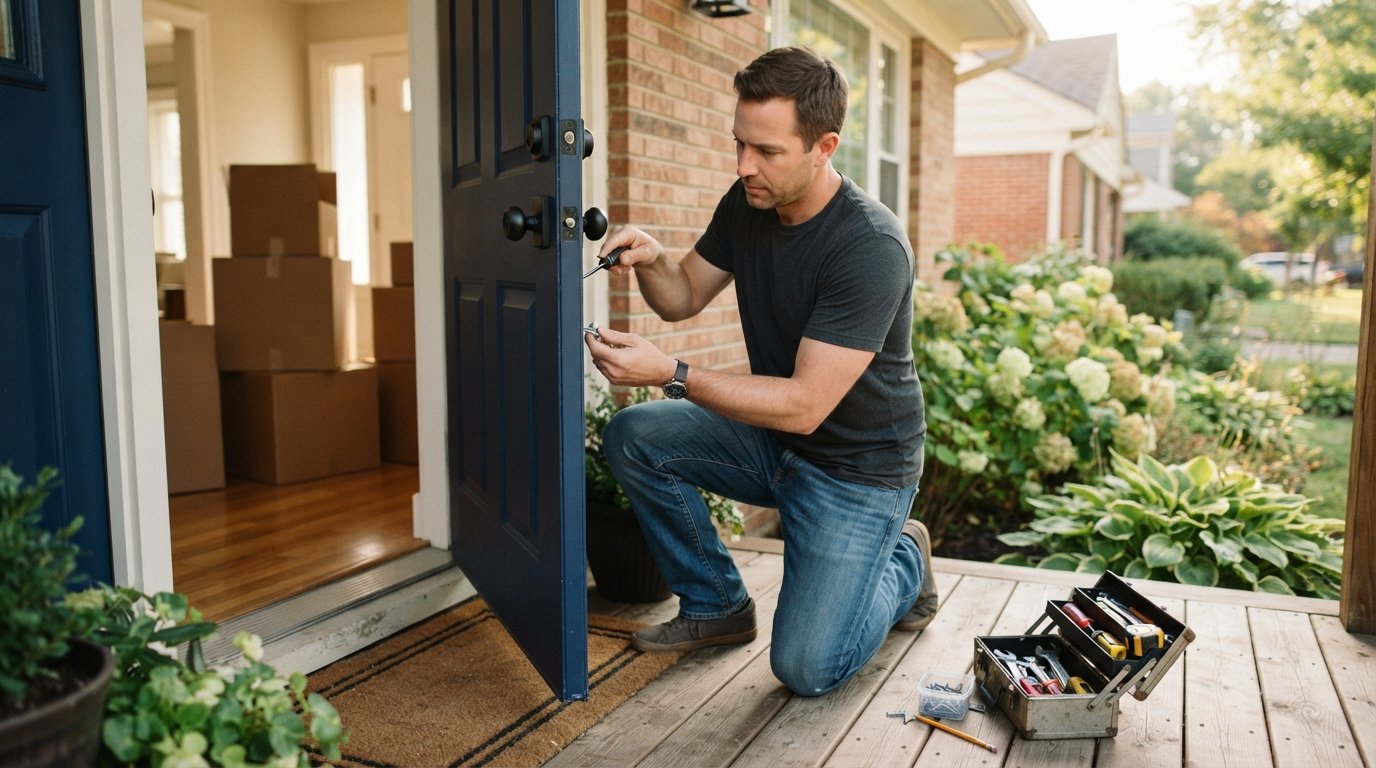
Before you unpack a single dish, prioritize safety. Your new home may have been vacant for weeks or months, and you do not know how well the previous owners maintained critical systems. The first day or two should be dedicated to securing the property and ensuring that you and your family can sleep soundly. Start with the locks: change or rekey every exterior door lock, and consider adding deadbolts if they are missing. If the home has a garage, reprogram the garage door opener and change the access code. This is not just about security; it is about peace of mind.
Next, test every smoke detector and carbon monoxide detector in the house. Replace the batteries even if they seem new, and check the expiration date on the units themselves. A detector that is more than ten years old should be replaced entirely. While you are at it, locate the fire extinguishers and make sure they are charged and accessible. If the home has a fireplace or wood stove, have it inspected before use.
Utility shutoffs are another safety essential. Find the main water shutoff valve, the gas shutoff (if applicable), and the electrical panel. Label each breaker clearly so you know which switch controls which area. In an emergency, you do not want to be fumbling in the dark. Also, test the water heater's pressure relief valve and check for any signs of leaks under sinks and around the base of toilets. These simple checks can prevent costly water damage later.
Beyond the immediate safety items, take a few minutes to inspect the home for any hazards. Look for loose handrails, uneven steps, or tripping hazards. If you have young children, install cabinet locks and outlet covers right away. If the previous owners left cleaning supplies or chemicals, store them safely out of reach. These small actions make a big difference in creating a secure environment for your family.
Unpacking Priorities: Make the Home Functional Fast
Unpacking can feel overwhelming, but you do not need to empty every box in the first week. The goal is to make the home functional, not perfectly decorated. Focus on the rooms and items that you use daily: the kitchen, bathrooms, bedrooms, and a central living space. Start with a "first night" box that contains essentials like toiletries, a change of clothes, phone chargers, and basic cleaning supplies. If you packed one, unpack it immediately.
In the kitchen, prioritize setting up a coffee station, a few plates, cups, and utensils, and basic cooking tools. You do not need to organize every spice; just make it possible to prepare a simple meal. In the bathroom, put out towels, toilet paper, and shower essentials. In the bedroom, assemble the bed first so you have a comfortable place to sleep. These small victories will make the house feel livable and reduce stress.
As you unpack, create a system for the remaining boxes. Designate one room as the "staging area" for unopened boxes, and sort them by priority. Use labels to mark boxes that contain items you will need soon versus those that can wait. Consider unpacking one room at a time, completely finishing it before moving to the next. This approach gives you a sense of accomplishment and prevents the entire house from feeling like a disaster zone.
For items you are unsure about, create a "donate" box and a "maybe" box. The first week is a great time to declutter, since you are already handling everything. If you have not used something in a year, consider letting it go. This not only reduces clutter but also makes your new home feel more spacious and organized.
Finding Local Services: Doctors, Schools, and Trash Pickup
Once the immediate safety and unpacking tasks are underway, turn your attention to the community services you will rely on. One of the first things to do is contact the local utility companies to set up or transfer services in your name. This includes electricity, gas, water, internet, and trash collection. Even if the previous owner left services on, you need to ensure the accounts are in your name to avoid shutoff or billing issues. Ask about pickup schedules for trash and recycling, and note any special rules for bulk items or yard waste.
If you have children, register them for school as soon as possible. Visit the school district's website or call the administrative office to find out what documents you need (proof of residency, immunization records, birth certificates) and whether there are any placement tests or orientation sessions. The first week is also a good time to research local doctors, dentists, and veterinarians. Ask neighbors for recommendations or check online reviews. If you have ongoing medical needs, transfer prescriptions to a local pharmacy and schedule any necessary appointments.
Do not overlook the practicalities of daily life: find the nearest grocery store, pharmacy, hardware store, and post office. Take a walk or drive around the neighborhood to get your bearings. Introduce yourself to neighbors if you see them; they can be invaluable sources of information about local services, reliable contractors, and community events. Building these connections early makes the transition smoother.
For homeowners, the first week is also a good time to gather information about local regulations. Check the city or county website for rules about parking, noise, and home maintenance. If you live in a homeowners association, review the bylaws and introduce yourself to the board. Knowing the expectations upfront prevents misunderstandings later.
Documenting the Home's Condition for Landlord or Warranty Purposes
Whether you are renting or own your new home, documenting its condition is a smart move. If you are renting, take photos and videos of every room, including any existing damage, and note the date. This documentation protects your security deposit when you move out. Send a copy to your landlord and keep one for your records. If you own the home, documentation is equally important for warranty claims and insurance purposes. Walk through the house and note any pre-existing issues, such as cracks, leaks, or malfunctioning appliances.
For new construction, the first week is the time to compile a punch list of items that need attention from the builder. Be thorough: test every outlet, light switch, faucet, and appliance. Check for gaps in trim, uneven flooring, or paint touch-ups. Submit the list to the builder promptly, as most warranties have a limited window for such claims. If you purchased a home warranty or have a homeowner's insurance policy, review the coverage and note any exclusions. This proactive approach can save you money and headaches down the road.
If you are renting, also review your lease agreement for any specific move-in requirements, such as professional cleaning or carpet cleaning. Some landlords require documentation of these services. Keep all receipts and correspondence in a dedicated folder, either physical or digital. This organization will be invaluable if any disputes arise.
For homeowners, consider scheduling a professional home inspection if you did not have one before closing. An inspector can identify potential issues that you might have missed, giving you a clear picture of your home's condition. While this is an extra expense, it can provide peace of mind and help you plan for future maintenance.
Setting Up Essential Home Services and Accounts
Beyond utilities, there are several other services to set up in your first week. If you have a security system, schedule an installation or activation. If not, consider whether you want one. Change your address with the post office, and update your address with your bank, credit card companies, and employer. This is also a good time to transfer or update your driver's license and vehicle registration if you have moved to a new state. Check the local DMV website for requirements and deadlines.
If you need help with home improvement or repairs, finding reliable contractors is essential. For homeowners in the United States, Homes.Contractors is a comprehensive online directory and informational resource that connects you with pre-vetted professionals for roofing, HVAC, plumbing, flooring, and more. Their educational blog and FAQ hub can guide you through common home maintenance questions. Whether you need a quick fix or a major renovation, having a trusted resource early on makes it easier to maintain your home.
Another key task is to set up a system for managing household paperwork. Designate a spot for mail, bills, and important documents. Create a folder (physical or digital) for home-related receipts, warranties, and manuals. This simple habit will keep you organized and reduce stress when you need to find information quickly.
Finally, take some time to plan for the longer term. Create a budget for home maintenance and improvements, and schedule any necessary repairs or upgrades. If you are new to the area, research local recycling programs, composting options, and energy-saving incentives. These small steps help you integrate into the community and make your home more efficient.
Creating a Comfortable and Functional Living Space
After the essential tasks are done, you can start to make the house feel like home. Focus on one or two rooms that you use most, such as the living room or master bedroom, and unpack those fully. Hang curtains, arrange furniture, and add personal touches like photos or plants. These elements make a space feel welcoming and can lift your mood. Do not worry about perfection; the goal is comfort.
If you have outdoor space, take a few minutes to inspect it. Check for any hazards like loose fence posts or overgrown branches. If you have a lawn, find out the watering schedule and any local regulations. A quick tidy-up can make your outdoor area more enjoyable and safer.
Consider the flow of your home. Are there areas that feel cluttered or awkward? The first week is a good time to experiment with furniture placement and storage solutions. You do not need to buy new items; sometimes rearranging what you have makes a big difference. If you need inspiration, browse design blogs or ask friends for ideas.
Lastly, give yourself permission to take breaks. Moving is exhausting, both physically and emotionally. Take time to rest, explore your new neighborhood, and celebrate the milestone. The first week will pass quickly, and soon the boxes will be a distant memory. By following these steps, you will have a safe, functional, and comfortable home to enjoy for years to come.
For more detailed guidance on every aspect of your move, from packing to delivery, check out our moving and delivery services complete guide for 2026. It covers everything you need to know to plan a smooth relocation.