
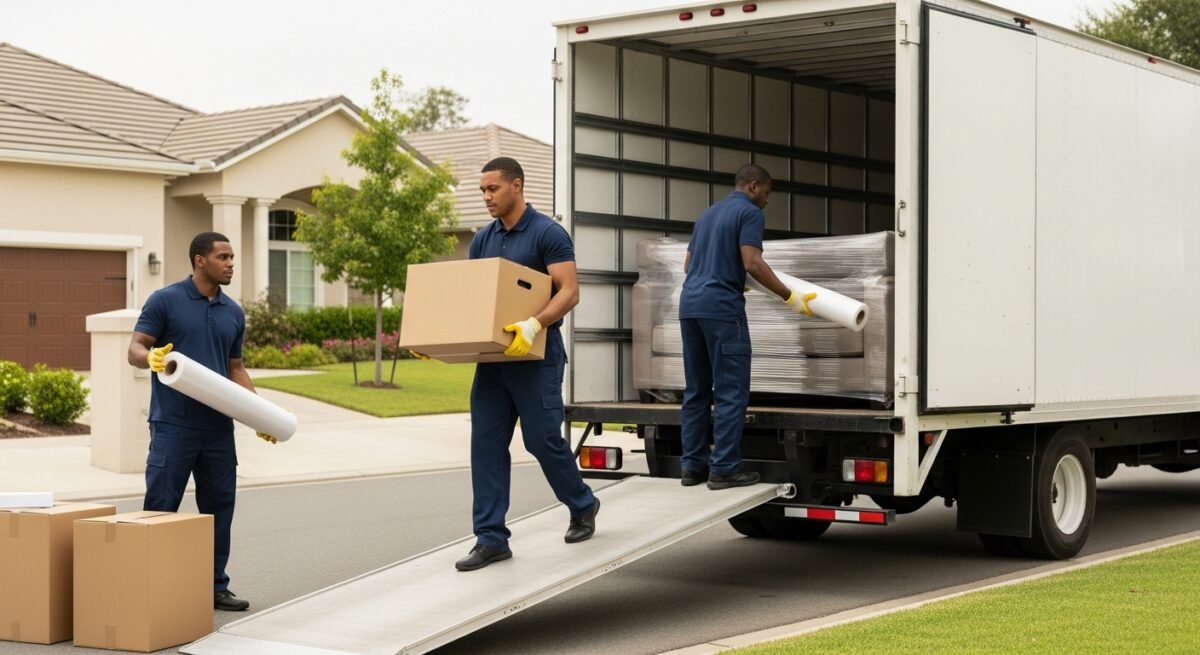
Moving and Delivery Services Complete Guide for 2026
Discover how to pick the right moving and delivery services with our complete guide, covering pricing, preparation, and damage-free delivery tips.

By Andrew Lewis
Moving to a new home is one of life’s most stressful events, and the delivery of your belongings is the moment when everything can either go smoothly or fall apart. The gap between a moving truck and your front door is where most of the anxiety lives. This is why understanding the full scope of moving and delivery services, from the initial quote to the final box drop, is so important. Whether you are relocating across town or across the country, the choices you make about who handles your goods and how they are transported will define your experience. This guide is designed to give you a complete picture of the moving and delivery landscape, helping you make informed decisions that protect your time, your budget, and your peace of mind.
In recent years, the industry has evolved far beyond the simple truck-and-two-movers model. Today, moving and delivery services include everything from white-glove handling for a single antique to full-service logistics for a three-bedroom house. Understanding the different layers of service, how pricing works, and what to look for in a professional mover will save you from surprises. We will explore the entire process, including how to prepare, what to expect on moving day, and how to handle the final delivery and unpacking. This is your complete resource for navigating the world of professional relocation.
What Are Moving and Delivery Services?
Moving and delivery services are professional operations that handle the physical relocation of your possessions from one point to another. A standard moving service typically covers the loading, transporting, and unloading of your items. Delivery services, in this context, are the final leg of that journey, ensuring your items reach the correct room in your new home. However, the terms are often used interchangeably, and many companies now offer a combined package that includes everything from packing to placement.
The core value of these services lies in the heavy lifting, but the true benefit is the professional expertise. Trained movers know how to maneuver large furniture through narrow staircases, how to protect fragile items during transit, and how to efficiently load a truck to maximize space and minimize damage. This is why, for many people, hiring professional movers is not a luxury but a necessity. It reduces the physical strain and the mental load of a move, allowing you to focus on the emotional and administrative tasks of relocating.
Beyond the basic service, you can find delivery moving services that specialize in specific tasks. Some focus on last-mile delivery, where they bring items from a local warehouse to your home. Others offer full-service packing and unpacking as part of their delivery package. Understanding these nuances is the first step in selecting the right service for your needs.
Types of Moving and Delivery Services
Not all moves are created equal, and the industry has developed specialized services to meet different needs. Selecting the correct type is crucial for both cost and efficiency. Here are the primary categories you will encounter when researching moving and delivery services.
Local vs. Long-Distance Moves
A local move is typically defined as any move within a 50-mile radius of your current home. These moves are usually charged by the hour, and the logistics are simpler. Long-distance moves, on the other hand, cover any distance over 50 miles and are priced based on the weight of your shipment and the distance traveled. The pricing model difference is significant, and it is the most common source of confusion for customers. For a local move, you are paying for the time of the crew. For a long-distance move, you are paying for the space your items take up on the truck.
When planning a long-distance move, it is wise to consider the reputation and experience of the moving company. Cross-country moves require more complex routing, potential storage in transit, and coordination with a different crew at the destination. A reputable company will have a clear process for these moves, often using a central dispatch system to track your shipment. This is where guaranteed pricing becomes a valuable feature, as it protects you from unexpected weight increases or fuel surcharges.
Full-Service vs. Self-Service Options
Full-service moving is the most convenient option. The company handles everything: packing, loading, transporting, unloading, and even unpacking. This is ideal for families with busy schedules or for those moving large, awkward items. On the other end of the spectrum are self-service options, such as renting a portable storage container. The company drops off a container, you pack and load it yourself, and they transport it to your new home. While more affordable, this requires significant physical labor and planning.
Between these two extremes are hybrid options. Some companies offer a labor-only service, where you rent the truck and they provide the movers to load and unload. Others allow you to pack your own boxes but hire professionals for the heavy furniture. When assessing your needs, consider your budget, your time, and your physical ability. A full-service move is an investment in your sanity, while a self-service move is a way to save money if you have the time and energy to spare.
Specialized Moving and Delivery
Certain items require special attention. Art, antiques, pianos, and large electronics cannot be treated like a standard box of books. Specialized moving services use custom crating, climate-controlled trucks, and trained handlers to ensure these delicate items arrive in perfect condition. For example, moving a grand piano is a task for professionals who have the equipment and expertise to disassemble, wrap, and transport it safely.
If you own high-value items, it is worth the extra cost to use a service that offers specialized handling. These services often provide additional insurance coverage or work with your existing policy to ensure full protection. This is an area where you should not cut corners, as the cost of replacing a damaged antique far exceeds the cost of professional handling.
How to Choose a Reliable Moving Company
Choosing a moving company is the single most important decision in the entire moving process. A poor choice can lead to damaged goods, hidden fees, and even lost possessions. To avoid these pitfalls, you need to conduct thorough research and ask the right questions. Here is a step-by-step framework to guide your selection.
- Get Multiple Quotes: Do not settle for the first estimate you receive. Contact at least three different companies to compare pricing and services. This will give you a baseline for what things should cost and help you spot unusually low or high bids.
- Verify Credentials: For interstate moves, the company must have a USDOT number registered with the Federal Motor Carrier Safety Administration. You can look up their safety record and complaint history. For local moves, check their license with your state’s department of transportation.
- Check Insurance and Liability: Confirm that the company offers the level of liability coverage you need. Basic coverage is often included, but it is usually minimal. You may want to purchase additional full-value protection for your belongings.
- Read Reviews and Ask for References: Look at independent review sites like Google and Yelp. Pay attention to how the company responds to negative feedback, as this indicates their customer service philosophy.
- Get Everything in Writing: A detailed written estimate is non-negotiable. It should list all services, charges, and the expected delivery window. Make sure the final bill does not exceed the estimate by more than 10% (the federal limit for interstate moves).
Following these steps will help you find a mover that is reliable, transparent, and professional. For a deeper look into what do to when you need help immediately, you can read our guide on emergency same day moving services. That resource covers urgent situations where time is of the essence.
Understanding Moving Quotes and Pricing
Understanding how moving companies price their services is essential to avoiding budget overruns. The two main pricing models are binding and non-binding estimates. A binding estimate is a fixed price that you agree to pay, provided the services requested do not change. A non-binding estimate is an approximation, and the final cost can be higher based on the actual weight and services provided. Always aim for a binding estimate to protect your budget.
The cost of a move is typically calculated based on several factors: the distance, the weight of your shipment, the number of movers required, and any additional services like packing or storage. For local moves, hourly rates are common, and the number of hours billed will depend on the size of your home and the efficiency of the crew. It is also important to factor in potential charges for long carries, stairs, or elevator use, as these can significantly increase the time and cost.
One of the most frustrating aspects of moving is the surprise fees that appear on the final bill. To prevent this, ask for a breakdown of all charges during the quoting process. In our experience, the best companies offer guaranteed pricing, meaning the quote you receive is the price you pay, as long as you do not add or remove services. This transparency is a hallmark of a reputable mover.

Preparing for Moving Day
Preparation is the key to a smooth moving day. Your job is to make the movers’ job easier, which in turn makes your move faster and less expensive. Start by decluttering your home weeks before the move. Donate, sell, or discard items you no longer need. This reduces the weight and volume of your shipment, which can lower your costs significantly.
Next, focus on packing. If you are packing yourself, use sturdy boxes and label them clearly with the room and contents. For fragile items, use plenty of bubble wrap and packing paper. It is also wise to create an inventory list of all your boxes and high-value items. This will help you track your belongings and file a claim if anything is lost or damaged.
On the day of the move, make sure to set aside a box of essentials that will travel with you, not the movers. This includes medications, important documents, jewelry, and a few changes of clothes. Also, disconnect and prepare all appliances, and clear a path for the movers to walk through. A little preparation goes a long way in ensuring that moving day is not a chaotic nightmare.
The Role of Delivery and Unpacking
The delivery phase is the final step, and it requires as much attention as the loading phase. When the truck arrives at your new home, be present to oversee the unloading and direct the movers to the correct rooms. This is not the time to be absent. You should also inspect each item as it comes off the truck for any signs of damage. Note any issues on the delivery receipt before you sign it. This document is your proof of the condition of your goods at the time of delivery.
Professional moving companies offer unpacking services as an add-on. This is a service where the crew will unpack your boxes, place items in the designated rooms, and even remove the packing debris. This is a significant convenience, especially if you are moving into a home where you need to be functional immediately. It is also a great option for families with young children or for those who are physically unable to handle the task.
After the movers have left, you can begin to settle in. The first 24 hours in a new home are often the most chaotic, so having a plan for where essentials will go is crucial. If you have chosen a full-service package, the movers can also help with furniture placement and assembly, which saves you from the frustration of trying to move a heavy sofa on your own.
Cost-Saving Tips for Your Move
Moving is expensive, but there are ways to keep costs in check without sacrificing quality. One of the most effective strategies is to move during the off-season. The summer months and weekends are peak times for movers, and prices reflect that demand. If possible, schedule your move for a weekday in the fall or winter to secure lower rates.
Another way to save is to do some of the work yourself. Packing your own boxes, disassembling your furniture, and having everything ready to go when the movers arrive will save time and, therefore, money. You can also save by selling or donating items you do not plan to keep, as this reduces the weight of your shipment. Finally, compare quotes from multiple companies and do not be afraid to negotiate. Many movers are willing to match a competitor’s price to win your business.
Remember, the cheapest quote is not always the best value. A company that offers a low price but has poor reviews or does not provide a binding estimate could end up costing you more in the long run. Balance cost with reputation and service level to get the best deal.
Frequently Asked Questions
What is the difference between a binding and non-binding estimate?
A binding estimate is a guaranteed price that you will pay for the move, as long as you do not change the scope of services. A non-binding estimate is an approximation, and the final cost can vary based on actual weight and services. Always try to get a binding estimate to avoid surprise bills.
How far in advance should I book moving and delivery services?
For a local move, booking 2 to 3 weeks in advance is generally sufficient. For long-distance moves, it is wise to book 6 to 8 weeks in advance, especially if you are moving during the peak season. This ensures you have your pick of moving dates and companies.
Are my belongings insured during a move?
Yes, basic liability coverage is typically included in the moving price, but it is often minimal. You can purchase additional full-value protection, which requires the mover to repair or replace any damaged or lost items. Speak with your mover about the insurance options available.
Can I pack my own boxes to save money?
Yes, you can pack your own boxes. However, it is important to pack them properly to prevent damage. Use sturdy boxes, plenty of padding, and label everything clearly. Many movers offer a packing service if you prefer to leave it to the professionals.
What should I do if an item is damaged during the move?
Document the damage on the delivery receipt before you sign it. Take photos of the damaged item and its packaging. Then, file a claim with the moving company as soon as possible. The claims process is easier if you have a detailed inventory list from before the move.
Final Thoughts on Your Move
Moving is a complex process, but with the right information and the right partner, it can be a manageable and even positive experience. The key is to plan ahead, understand the services available, and choose a moving company that is transparent and reliable. The moving and delivery services complete guide you have just read is designed to give you the confidence to make those decisions.
Remember that the goal is not just to move your things, but to start your new life with a sense of calm and security. Professional movers can handle the heavy lifting, but your preparation and knowledge will ensure the entire process goes smoothly. When you are ready to get started, request a free quote from a trusted provider and take the first step toward your new home. Learn more