
What Professional Furniture Moving Services Actually Do for You
Professional furniture moving services protect your valuables and save you from injury with expert packing, handling, and transport. Learn how to choose the right service for a stress-free move.

By Michelle Carter
Moving a single piece of heirloom furniture or an entire household of heavy items is a task that quickly separates a simple relocation from a logistical nightmare. The thought of maneuvering a grand piano down a narrow staircase, disassembling a custom sectional sofa, or protecting a fragile antique dresser during transit is enough to induce stress in even the most organized individual. This is where the true value of professional furniture moving services becomes undeniably clear. It is not merely about transporting objects from point A to point B, it is a comprehensive discipline that combines physical strength, technical skill, strategic planning, and specialized equipment to safeguard your valuable possessions and your peace of mind. Understanding the full scope of what these experts offer transforms them from a simple labor cost into a critical investment in the success and safety of your move.
The Core Advantages of Hiring Furniture Moving Specialists
The decision to hire professionals for your furniture move is often justified by the immediate avoidance of heavy lifting. However, the benefits run much deeper, impacting the safety, efficiency, and final outcome of your relocation in profound ways. First and foremost is risk mitigation. Professional movers are trained in proper lifting techniques to prevent personal injury, a common and costly occurrence for DIY movers. They also carry liability and workers’ compensation insurance, protecting you from financial responsibility if an accident occurs on your property. This layer of protection is invaluable and often overlooked until it is desperately needed.
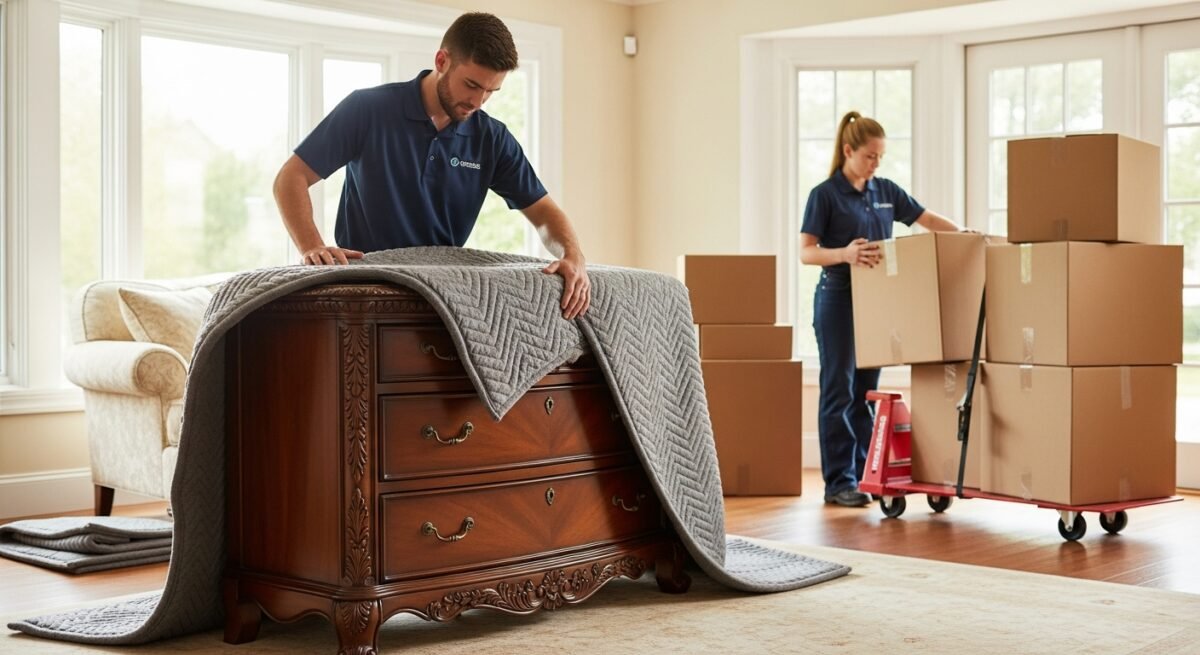
Beyond safety, the preservation of your property is paramount. Experienced furniture movers treat each item with an understanding of its construction and vulnerabilities. They use moving blankets, furniture pads, stretch wrap, and custom crating not just as accessories, but as essential tools to prevent scratches, dents, and structural damage. They know how to navigate tight corners, awkward stairwells, and fragile flooring without leaving a mark. This expertise extends to time and efficiency. A team of professionals can complete in hours what might take an unskilled group of friends an entire weekend, freeing you to focus on other critical aspects of your transition. The cumulative effect is a significant reduction in physical and mental stress, allowing you to manage the broader move without being exhausted by its most demanding physical component.
A Detailed Look at Professional Moving Processes
Professional furniture moving is a methodical operation, not a haphazard effort. It begins long before the moving truck arrives with an in-home assessment or detailed inventory. This crucial step allows the moving company to understand the scope, identify special challenges like oversized items or difficult access points, and provide an accurate estimate. On moving day, the process follows a proven sequence. The team starts by preparing the home and the furniture itself. This involves laying floor runners to protect carpets, disassembling items as needed (bed frames, table legs, modular units), and carefully wrapping each piece. They use specialized straps and dollies to maneuver heavy items safely, employing techniques like the “piano walk” for especially cumbersome objects.
The loading phase is a strategic puzzle. Movers don’t just fill the truck, they build a secure, stable load. Heavy items form the base, lighter items go on top, and everything is tethered with straps to prevent shifting during transit. This careful blocking and bracing is what prevents your dining table from becoming a battering ram against your sofa during a sudden stop. For long-distance moves, this process is even more critical. Upon delivery, the process reverses with equal care. Furniture is unwrapped, reassembled in the designated rooms, and placed precisely according to your instructions. This white-glove level of service ensures your new home is functional from the moment the movers leave.
Specialized Services for Unique Furniture Challenges
Not all furniture is created equal, and professional services have evolved to handle unique challenges. Antique and heirloom furniture requires a conservator’s touch. Movers specializing in these items understand wood types, joinery, and veneers, and they often employ custom wooden crates for maximum protection during transit. Oversized and unusually shaped items, such as pool tables, grand pianos, or large exercise equipment, require specific tools (like piano boards) and techniques that go beyond standard moving protocols. These items often necessitate special permits or vehicle types for transport.
Another critical service is full-service packing. While you can pack boxes yourself, allowing professionals to pack your delicate china, artwork, and electronics ensures they are using the correct materials (acid-free paper, custom mirror boxes, ample cushioning) and techniques to prevent in-transit damage. This service is particularly valuable for high-value items where replacement cost far exceeds the packing fee. Furthermore, many companies offer short-term and long-term climate-controlled storage solutions. This is ideal for staging a move, storing furniture during a home renovation, or holding items until your new residence is ready. These storage facilities are secure and maintained to prevent damage from humidity, temperature swings, or pests.
How to Choose the Right Furniture Moving Company
Selecting a mover is the most important decision you will make for your furniture’s safety. The process should be diligent and research-based. Start by verifying credentials. Any reputable professional furniture moving service must be licensed and insured. For interstate moves, they require a USDOT number issued by the Federal Motor Carrier Safety Administration (FMCSA), which you can verify online. This is non-negotiable. Next, seek out detailed estimates. Be wary of quotes given over the phone without an in-person or virtual survey. A reputable company will want to see what they are moving to provide an accurate binding or not-to-exceed estimate, protecting you from surprise charges on moving day.
Investigate the company’s reputation thoroughly. Read reviews on multiple platforms (Google, BBB, Yelp) and pay attention to how they respond to complaints. Ask for references. When you have narrowed your choices, scrutinize the moving contract. Understand the valuation coverage (replacement value vs. released value), the payment terms, and all potential additional fees (for stairs, long carries, shuttle services if a large truck cannot access your home). A trustworthy company will be transparent and patient in explaining all these details. Finally, trust your instincts. Professionalism in communication, punctuality for estimates, and a willingness to answer all your questions are strong indicators of the service quality you can expect.
Understanding Costs and Planning Your Budget
The cost of professional furniture moving services is not a single flat fee, it is a variable calculation based on several factors. For local moves, the primary cost drivers are time and labor. You are typically charged an hourly rate for the crew and truck, with the total time starting when they leave their warehouse and ending when they return. The number of movers, the volume and weight of your furniture, and the complexity of the job (stairs, elevators, long walkways) all affect the time required. For long-distance moves, cost is primarily based on weight (or the cubic volume of your shipment) and the distance traveled. The specific services you add, like full packing, crating, or expedited delivery, will add to the final price.
To budget effectively, get at least three written, in-person estimates. This will give you a realistic price range. Be sure to ask what is included: are moving blankets and pads standard? Is basic furniture disassembly and reassembly included? How many hours are estimated? To manage costs, you can take on some tasks yourself, such as packing all non-fragile items, or ensuring clear pathways and disconnecting electronics beforehand to save the movers time. The most important financial step is to understand your valuation options. Released value protection (included at no extra cost) provides minimal coverage (e.g., 60 cents per pound per item). Full Value Protection is more comprehensive and costs extra, but it is often worth the investment for valuable furniture. To begin comparing costs from vetted providers, you can always get a free moving quote to establish a baseline for your planning.
Preparing for Your Movers: A Homeowner’s Checklist
Your preparation directly influences the efficiency, cost, and success of your furniture move. A well-prepared home allows the professional team to work swiftly and safely. Use this checklist in the days leading up to your move:
- Create Clear Pathways: Remove all rugs, door mats, and low-hanging items like wind chimes. Ensure hallways, staircases, and doorways are completely clear of obstructions.
- Protect Your Home: Use cardboard or protective film on floors, railings, and door frames where heavy traffic will occur. Designate a parking spot for the moving truck if possible.
- Complete All Disassembly: If you are handling any disassembly yourself (like taking apart bed frames that do not require special tools), do it beforehand. Have all hardware bagged, labeled, and taped securely to the corresponding furniture piece.
- Designate a “Do Not Move” Area: Use bright tape or a sign to mark items that will not be going on the truck. This prevents confusion and delays.
- Prepare a Essentials Box: Keep tools, snacks, water, and personal items you will need during the move separate from the shipment.
- Communicate a Floor Plan: Have a simple sketch or digital layout of your new home ready to show movers where each major piece of furniture should go.
On moving day, be present, accessible, and prepared to answer questions. Point out any last-minute concerns, like a particularly weak floorboard or a tight turn you had forgotten. Your collaboration with the crew ensures the process aligns with your expectations. For those facing a highly compressed timeline, the principles of preparation are even more critical, as detailed in our resource on emergency same day moving services.
Frequently Asked Questions
Q: Are professional movers liable if they damage my furniture?
A: Yes, but the extent of their liability depends on the valuation coverage you selected in your contract. Released Value Protection offers minimal compensation based on weight. Full Value Protection or declared value coverage provides more robust protection, often involving repair, replacement, or cash settlement. Always document any damage immediately upon delivery before signing the inventory sheet.
Q: Should I tip my furniture movers, and if so, how much?
A: Tipping is a customary way to show appreciation for exceptional service, especially if the crew handled difficult items, worked efficiently, and was courteous. A common guideline is $20-$40 per mover for a full-day job, or 5-10% of the total bill for a large move. You can tip individually or give a lump sum to the foreman to distribute.
Q: What items will professional movers typically not move?
A> Movers are regulated and cannot transport hazardous materials like propane tanks, paint thinners, aerosol cans, or ammunition. They also usually will not move perishable food, live plants, or pets. High-value items like jewelry, cash, or important documents should be transported personally.
Q: How far in advance should I book a furniture moving service?
A> For local moves, booking 2-4 weeks in advance is usually sufficient. For long-distance moves or moves during peak season (summer months, end of the month), aim for 6-8 weeks in advance. The further ahead you book, the more likely you are to secure your preferred date.
Q: Can movers disassemble and reassemble my furniture?
A> Most professional furniture moving services include basic disassembly and reassembly (e.g., bed frames, table legs) as part of their standard service. Complex items like large wall units, pool tables, or specialty fitness equipment may incur an additional fee. Always confirm what is included in your estimate.
Ultimately, professional furniture moving services provide far more than muscle. They deliver a system engineered for safety, efficiency, and preservation. The investment safeguards not only your physical possessions, which often hold financial and sentimental value, but also your time, your physical well-being, and your mental energy during a inherently disruptive life event. By entrusting the heavy, technical, and risky aspects of the move to certified experts, you reclaim the capacity to manage the broader transition, turning a potentially overwhelming ordeal into a well-executed plan. The right team transforms furniture from a burdensome problem into a seamless part of your new beginning, allowing you to start life in your new home with your belongings intact and your spirit undiminished.