What Movers Include in Pack and Load Services

Moving day often brings a mix of excitement and stress. The thought of boxing up an entire home, labeling everything correctly, and ensuring fragile items survive the journey can feel overwhelming. This is where professional pack and load services become a game changer. Many people assume movers simply haul boxes and furniture, but the reality is far more comprehensive. Understanding what movers typically include in their pack and load services helps you plan better, budget accurately, and avoid unpleasant surprises. Whether you are moving across town or across the country, knowing the full scope of these services empowers you to make informed decisions and reduces the chaos of relocation.
The Core Components of Pack and Load Services
When you hire a moving company for pack and load services, you are paying for a structured system designed to protect your belongings and streamline the move. The process typically begins with a pre-move survey where a moving coordinator assesses your home and identifies the volume of items, special handling needs, and any potential obstacles like narrow staircases or long hallways. From there, the team creates a customized plan that includes packing materials, labor allocation, and timing.
Most professional packing services start with a supply drop. The moving company delivers sturdy boxes in various sizes, packing paper, bubble wrap, tape, markers, and specialty containers for items like wardrobe boxes, dish packs, and mattress bags. Professional movers do not simply throw items into boxes. They use a tiered packing approach: delicate items like glassware and electronics receive extra cushioning, while sturdy household goods like books and linens are packed efficiently to maximize space. Every box is sealed, labeled with its contents and destination room, and inventoried using a digital tracking system. This level of detail ensures that nothing gets lost and that unpacking is organized and efficient.
What Professional Packing Actually Covers
It is important to distinguish between partial packing and full packing services. Partial packing is ideal for people who want to pack non-fragile items themselves but need help with tricky areas like the kitchen, china cabinet, or home office. Full packing means the movers handle everything from wrapping your sofa in protective blankets to boxing up your pantry items. Here are the key elements typically included:
- Furniture disassembly and reassembly: Beds, dining tables, desks, and modular shelving are taken apart carefully, with hardware bagged and labeled. At the destination, the team reassembles them in the rooms you designate.
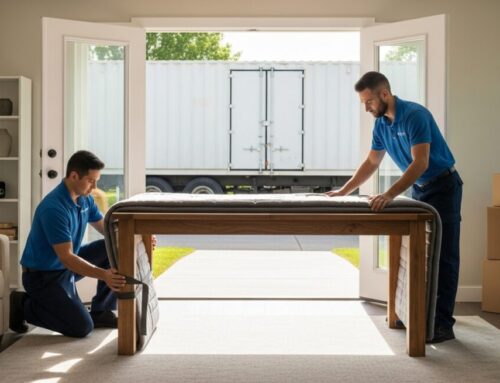
- Specialty item wrapping: Artwork, mirrors, large TVs, and antiques receive custom crating or multiple layers of foam and cardboard. Movers use corner protectors and bubble wrap to prevent scratches and breakage.
- Fragile item packing: Dishes, glasses, vases, and collectibles are individually wrapped and placed in dish packs with dividers. Electronics are packed in original-style boxes or custom foam inserts.
- Inventory management: Every box and piece of furniture is scanned and listed on a moving inventory sheet. This document serves as a record for insurance purposes and helps you verify that everything arrived.
Understanding these details clarifies what you are paying for and helps you decide which level of service fits your needs. Many customers are surprised by how much time and stress professional packing saves, especially when moving a household with children or pets.
Loading: More Than Just Lifting Heavy Boxes
Loading might seem straightforward, but experienced movers follow a precise methodology. The goal is to distribute weight evenly across the truck, protect items from shifting during transit, and maximize space to reduce the number of trips. A professional load team begins by padding the truck floor and walls with moving blankets and using straps to secure large furniture pieces. Heavy items like appliances and safes are loaded first, followed by furniture, and then boxes are stacked in layers with the heaviest boxes on the bottom.
Movers use a technique called "blocking and bracing" where they fill gaps with blankets or foam to prevent items from rattling or tipping. They also pay attention to the weight limits of the truck and avoid overloading one side, which could cause handling issues on the road. The loading process includes protecting your home as well. Movers lay down floor runners and door jamb protectors to prevent damage to hallways and doorways. They also use corner guards on walls and wrap banisters with padding when moving large items up or down stairs.
For those moving long distance, the truck is loaded with a "last on, first off" strategy. Items you will need immediately upon arrival, such as essential toiletries, a change of clothes, and basic kitchen supplies, are loaded last so they are easily accessible. This thoughtful planning reflects the depth of pack and load services that professional movers bring to every job.
Unpacking and Setup: Completing the Service Cycle
Pack and load services do not end when the truck arrives at your new home. Most full-service moving companies offer unpacking and setup as part of their premium packages. Upon arrival, the crew unloads the truck, places furniture in the rooms you specify, and reassembles any items that were disassembled. They also remove packing debris and empty boxes, leaving you with a clean, organized space.
Some moving companies offer a "white glove" service where they unpack your boxes, place items on shelves and in cabinets, and even make beds and hang pictures. This level of service is popular with busy professionals, elderly individuals, or families with young children who need to settle in quickly. Unpacking services typically include unwrapping fragile items, checking for damage, and disposing of packing materials responsibly. If you opt for this service, you can expect the crew to ask for your input on where to place furniture and how to organize your kitchen or closet. The result is a move that feels seamless from start to finish.
What Is Not Included and How to Avoid Surprises
While pack and load services are extensive, there are some items and tasks that movers typically exclude. Knowing these exceptions helps you plan ahead and avoid last-minute confusion. Most moving companies do not pack hazardous materials such as paint, gasoline, propane tanks, cleaning chemicals, or batteries. You are responsible for disposing of or transporting these items yourself. Additionally, perishable food, plants, and pets are almost never included in moving services. Movers also usually exclude items of extreme sentimental or monetary value like jewelry, important documents, family heirlooms, and cash. It is recommended that you transport these personally.
Another common exclusion is the packing of items that are already in use on moving day. For example, if you are still sleeping in your bed or using your computer right up until the movers arrive, you will need to pack those items yourself or schedule a separate packing session. Some companies charge extra for packing materials like specialty boxes for large TVs or custom crates for artwork. Always ask your mover for a detailed list of exclusions and any additional fees before signing a contract. A reputable company will provide a written estimate that clearly outlines what is included and what costs extra. For a more detailed breakdown of what professional movers handle, refer to our guide on Professional Packing Services: What Movers Really Handle.
Cost Factors and How to Budget
The cost of pack and load services varies based on several factors. The size of your home, the number of rooms, the volume of belongings, and the distance of the move all influence the final price. Movers typically charge by the hour for local moves and by weight or cubic feet for long-distance moves. Packing supplies are usually billed separately, though some companies include basic supplies in their hourly rate. Specialty items like pianos, pool tables, or large sculptures require extra labor and equipment, which increases the cost.
To get an accurate estimate, request an in-home survey rather than relying on a phone or video quote. A physical walkthrough allows the mover to see your belongings and identify any challenges. Always ask for a binding estimate, which guarantees the price will not change unless you add or remove items. Avoid companies that give quotes based solely on the number of rooms without seeing your home, as this often leads to surprise charges on moving day. Budgeting an additional 10-15% for tips, packing supplies, and unforeseen expenses is a wise practice.
Frequently Asked Questions
What is the difference between packing and loading services?
Packing services involve wrapping, boxing, and labeling your belongings. Loading services involve transporting those packed items and furniture into the moving truck and securing them for transit. Many companies offer them as a bundled package, but you can also hire them separately.
Do movers provide packing materials?
Yes, most professional moving companies provide boxes, tape, bubble wrap, packing paper, and specialty containers as part of their pack and load services. The cost of materials is typically included in the service fee or billed separately at a set rate.
Can I pack my own items and have movers only load them?
Absolutely. Many people choose to pack non-fragile items themselves to save money and leave the tricky items to the professionals. However, if you pack your own boxes, the moving company may not be liable for damage to those items, so it is important to pack carefully.
How long does the packing process take?
A professional crew can typically pack a two-bedroom apartment in four to six hours. A larger home with three or four bedrooms may take eight to twelve hours. The timeline depends on the volume of belongings and the complexity of items like electronics or antiques.
Are pack and load services insured?
Reputable moving companies carry liability insurance that covers damage or loss during packing and loading. You should ask for proof of insurance and understand the coverage limits. For high-value items, consider purchasing additional valuation coverage.
Understanding what pack and load services include helps you approach your move with confidence. You can choose the level of assistance that fits your budget and lifestyle, whether that means full-service packing or just loading help. The right moving partner will communicate clearly about what is included, what costs extra, and how to prepare. If you are looking for a moving company that offers transparent pricing and professional pack and load services, consider reaching out to a trusted provider that prioritizes your belongings and your peace of mind.
Moving is a significant life event, and the quality of your pack and load services can make the difference between a stressful ordeal and a smooth transition. By knowing what to expect, you can plan effectively, ask the right questions, and enjoy the excitement of your new home without the hassle of last-minute chaos.