
What Is the Real Cost to Move a Double Wide Mobile Home?
Understand the true cost to move a double wide mobile home, including hidden fees for permits, setup, and site work. Plan your budget without surprises.

By Ryan Cooper
Relocating a double wide mobile home is a significant undertaking that differs drastically from moving a traditional house or even a single wide. The process involves specialized equipment, permits, and logistical hurdles that directly impact your budget. Understanding the real cost to move a double wide mobile home requires peeling back the layers of a complex operation, where a simple base price can quickly escalate with added services and unforeseen challenges. This guide breaks down every factor that influences your final mobile home moving cost, helping you budget accurately and avoid financial surprises.
Understanding the Core Factors That Determine Moving Costs
The price to relocate a manufactured home is not a flat fee. It is a variable sum built from several core components. The distance of the move is the most obvious factor, but it is not the only one. The condition and size of your home, the terrain of both the current and new locations, and the necessary preparatory work all play critical roles. A local move of a few miles across flat, accessible land will cost a fraction of a long distance relocation over mountainous terrain. Furthermore, the age and structural integrity of your double wide can affect cost, as older homes may require additional reinforcement or repairs before they can be safely transported. These variables combine to create a unique quote for every situation.
Another major component is the home’s dimensions. A standard double wide is typically 24 feet by 60 feet, but sizes can vary. The exact width and length determine the type of moving equipment needed and the complexity of navigating roads and setting up at the new site. Any additions like porches, carports, or skirting that need to be detached and moved separately will add to the labor and cost. It is essential to have precise measurements before you even begin soliciting quotes from professional movers.
A Detailed Breakdown of Mobile Home Moving Cost Components
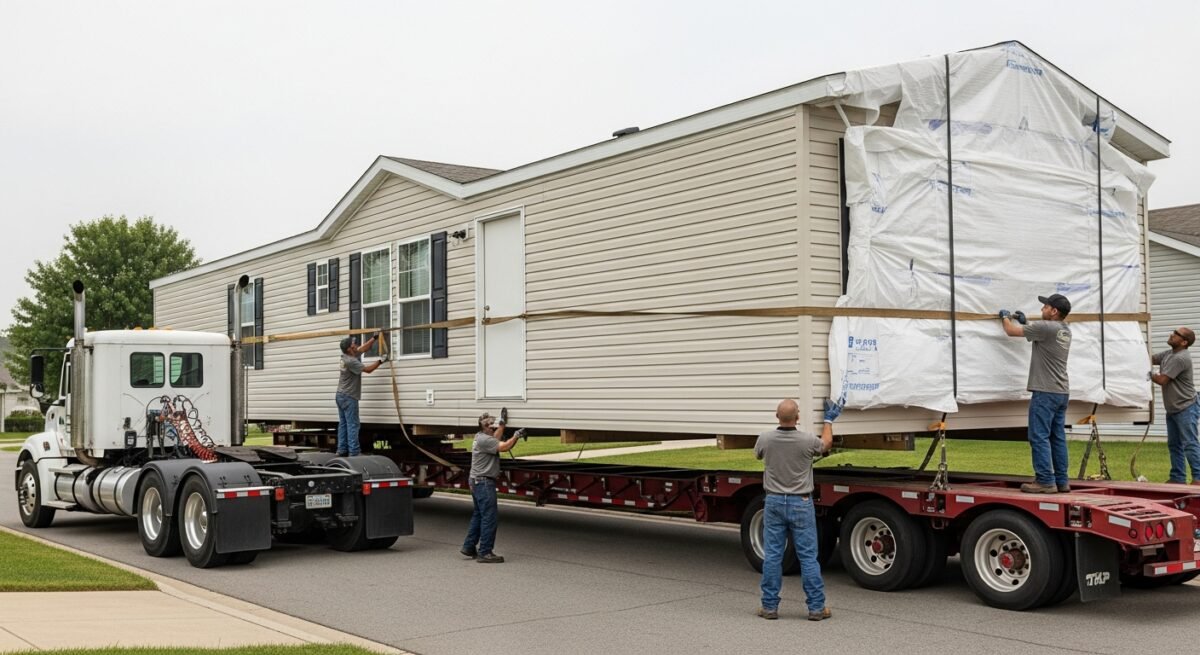
To understand where your money goes, you must look at the line items. A comprehensive quote for the cost to move a double wide should itemize these key services. First, there is the setup and takedown at both locations. This includes disconnecting all utilities, preparing the home for transport by removing skirting and porches, and often securing interior items. Then comes the actual transportation, which involves a specialized truck and pilot cars for wide loads. This fee covers fuel, insurance for the move, and the labor of the drivers and crew.
Permits are a non negotiable and often significant expense. Because a double wide is a wide load, moving companies must obtain travel permits from every city, county, and state the home will pass through. The cost and complexity of these permits increase with distance. Route surveys are also common, where a mover scouts the path for low hanging wires, narrow bridges, or tight turns that could pose a problem. After transportation, the home must be re set on its new foundation, leveled, and reconnected to utilities. This “set up” work is a major part of the job and the quote. For a deeper look at the specialized techniques involved, our guide on how mobile home movers relocate manufactured homes safely explains the critical steps professionals take.
Here is a breakdown of the primary cost components you will encounter:
- Transportation: The core fee for moving the home, calculated per mile.
- Permits: Fees for wide load and travel permits from government authorities.
- Setup and Takedown: Labor to prepare the home for move and reinstall it.
- Pilot/Escort Vehicles: Required by law for wide loads on public roads.
- Utility Disconnection/Reconnection: Arranging and paying for professional utility work.
Average Price Ranges for Local and Long Distance Moves
Providing an exact figure is impossible without a specific scenario, but general ranges can set expectations. For a local move under 50 miles, the cost to move a double wide mobile home typically falls between $3,000 and $8,000. This range assumes relatively straightforward access and standard setup requirements. The price per mile is higher for short distances because the fixed costs of permits, setup, and mobilization are spread over fewer miles.
For long distance moves, the cost structure changes. Moves spanning several hundred miles can range from $10,000 to $20,000 or more. While the per mile rate may decrease, the total mileage adds up quickly, and permit costs multiply as you cross multiple jurisdictions. Extreme long distance moves (over 1,000 miles) can exceed $25,000, especially if the route requires special accommodations or the new site needs significant preparation. The single biggest way to control cost is to minimize distance, but that is not always an option. Getting multiple detailed quotes is the best way to establish a realistic budget for your specific move.
Hidden Fees and Potential Additional Costs
Beyond the standard quote, several potential expenses can arise, turning an estimated mobile home moving cost into a much larger bill. Site preparation is a major one. If your new lot is not level, cleared, and has a proper foundation pad installed, you will need to hire separate contractors to handle that work before the mover arrives. This can cost thousands of dollars. Similarly, if trees need to be trimmed or power lines temporarily raised to allow the home to pass, you are responsible for arranging and paying for those services.
Older homes may require a “engineering certification” or additional bracing to meet state transportation regulations, adding $500 to $2,000. If the home cannot be moved in one piece, it may need to be split into two sections, which significantly increases labor and time. Weather delays can also incur extra fees if the crew is held up. Always ask your mover for a clear list of what is NOT included in their quote. To get a precise idea of what your move will entail, it is wise to get a free moving quote from licensed professionals who can assess your unique situation.
How to Get Accurate Quotes and Choose a Mover
Securing an accurate quote is a process. Reputable mobile home moving companies will almost always insist on an in person inspection of the home and both sites. They need to assess access roads, overhead obstacles, ground conditions, and the home’s condition. Be wary of any company that offers a firm quote over the phone without seeing the property. During the inspection, ask detailed questions about their insurance coverage, licensing, and who handles the permit process. A trustworthy mover will be transparent about all potential fees.
When comparing quotes, ensure they are for the same scope of work. A low quote might exclude setup or permits, which will become costly add ons later. Check online reviews and verify the company is licensed with the Department of Housing and Urban Development (HUD) or your state’s relevant agency. The cheapest option is rarely the best when moving a valuable asset like your home. Investing in an experienced, insured professional can prevent costly damage and logistical nightmares.
Frequently Asked Questions
Can I move a double wide mobile home myself to save money?
No. Moving a double wide requires specialized trucks, permits, and technical knowledge of how to secure and transport a large manufactured structure. Attempting a DIY move is extremely dangerous, illegal without proper permits, and will almost certainly result in severe damage to the home.
Do I need a new foundation at the new location?
Almost always, yes. The home must be placed on a stable, level foundation that meets local code requirements. This is typically a concrete pier system or a full concrete slab. The cost of this foundation is separate from the moving cost and must be completed before the mover delivers the home.
How long does it take to move a double wide?
The process from start to finish can take several weeks to a few months. This includes time for obtaining permits, scheduling the move, the physical transportation (which may be just a day for local moves or a week for cross country), and the final setup and utility reconnection.
Will my homeowners insurance cover the move?
Standard homeowners insurance typically does not cover the home while it is in transit. You must purchase a separate transit insurance policy, usually offered by the moving company. Verify the coverage limits and what it protects before signing a contract.
What is the most expensive part of moving a mobile home?
For long distance moves, the transportation fee (mileage) is often the largest line item. For local moves, the costs of setup, takedown, and permits can constitute a larger portion of the total bill.
Planning and budgeting for the cost to move a double wide mobile home demands careful attention to detail and a clear understanding of the multifaceted process. By accounting for all potential expenses, from permits and pilot cars to site work and setup, you can develop a realistic financial plan. Partnering with a reputable, experienced mobile home moving company is not an area for cutting corners, it is an investment in the safe and successful relocation of your home. With thorough research and precise quotes, you can navigate this complex project with confidence, ensuring your double wide arrives at its new destination ready to become a home once again.