
What Do Household Moving Specialists Actually Do?
Household moving specialists handle the heavy lifting and complex logistics, turning a stressful move into a smooth transition. Call (833) 762-3578 to discuss your specific needs.

By Kevin Morris
You’ve signed the papers on your new home, and the initial excitement is now mingling with a growing sense of dread as you survey a lifetime of possessions. The logistics of moving day loom large, a puzzle of heavy furniture, fragile heirlooms, and countless boxes. This is the precise moment when the value of professional household moving specialists shifts from a luxury to a necessity. These experts are not just people with a truck, they are orchestrators of one of life’s most complex transitions. Their role encompasses logistics, heavy lifting, risk management, and profound peace of mind, transforming a potentially chaotic ordeal into a streamlined, manageable process. Understanding the full scope of their services is the first step in making an informed decision that protects your belongings, your budget, and your sanity.
The Core Services of Professional Moving Companies
At its heart, a professional moving company provides the manpower, equipment, and expertise to physically transport your belongings from point A to point B. However, the depth of service can vary dramatically. The most basic offering is often referred to as a “labor-only” or “loading and unloading” service. Here, you handle all the packing, but the movers take over for the heavy lifting, loading the truck, driving (sometimes in a truck you’ve rented), unloading at the destination, and placing items in the designated rooms. This is a popular choice for local moves or for those who are highly organized and have already packed.
The next tier is the full-service move, which is where household moving specialists truly shine. This comprehensive service typically includes a detailed in-home estimate, the supply of all necessary packing materials (boxes, tape, bubble wrap, furniture pads), the professional packing of your entire household (or specific fragile items like china and artwork), the disassembly and reassembly of furniture, the loading and transportation, the unloading, unpacking, and even the removal of packing debris. The crew handles every aspect, allowing you to focus on other critical elements of your transition, such as transferring utilities or enrolling children in new schools. For long-distance moves, this service is invaluable, as it often includes valuation coverage (a form of insurance for your goods in transit) and precise logistics coordination across state lines.
Beyond the Truck: The Unseen Value of Specialists
The true differentiation between a casual mover and a dedicated household moving specialist lies in the unseen details and specialized knowledge. A reputable specialist brings a systematic approach to an inherently chaotic task. They conduct thorough pre-move surveys to identify potential challenges, like narrow staircases, bulky pianos, or valuable antiques that require custom crating. This planning prevents costly delays and damage on moving day.
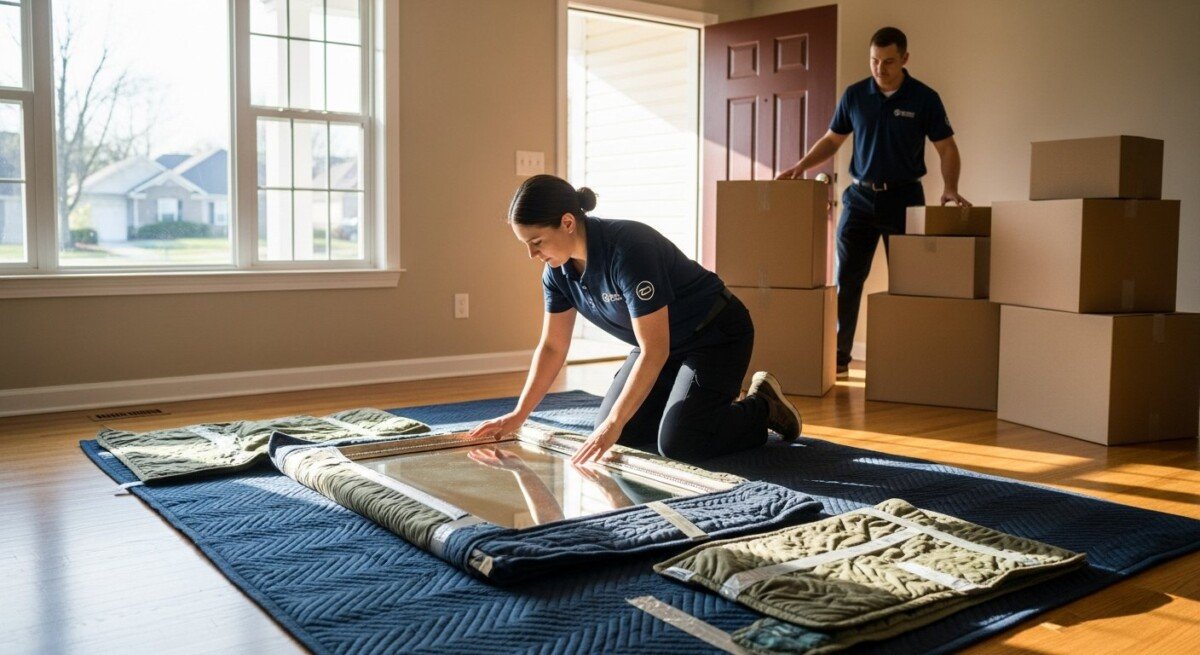
Specialists also possess the right tools for the job. This goes beyond dollies and moving blankets. They use furniture skids, piano boards, appliance dollies, and specialized straps to safely maneuver heavy and awkward items without damaging your floors or walls. Their trucks are equipped with air-ride suspension and load-securing systems to minimize jostling during transit. Furthermore, their crews are trained in proper lifting techniques and the intricacies of packing different material types, from glass and marble to wood and fabric. This training reduces the risk of injury to the crew and damage to your property, a risk you inherently assume with an inexperienced crew or a DIY move.
Specialized Moving Scenarios
Certain situations absolutely demand the attention of specialists. High-value items, such as fine art, grand pianos, antique furniture, or sensitive electronics, require white-glove service. Specialists in this niche use custom-built crates, climate-controlled transportation, and art-handling techniques to ensure these treasures arrive in pristine condition. Similarly, moves involving large, delicate items like pool tables, hot tubs, or commercial-grade appliances require specific disassembly knowledge and tools that general movers may not possess. Identifying these needs during the estimate process is a key sign of a true specialist.
How to Vet and Hire the Right Moving Specialist
Choosing a moving company is a significant decision. Due diligence is your best defense against scams, hidden fees, and poor service. The process should begin with research. Seek recommendations from trusted sources and read online reviews across multiple platforms. Look for patterns in feedback, especially regarding communication, punctuality, care of items, and final billing accuracy.
Always obtain written, in-home estimates from at least three different companies. Be wary of any company that offers a firm quote over the phone or via email without seeing your home; these are often low-ball estimates that balloon on moving day with various added charges. During the in-home survey, walk the estimator through every item to be moved, including those in attics, basements, and garages. Ask pointed questions about what is and is not included in the estimate. Key areas to clarify include:
- Packing Materials: Are boxes, tape, and padding included, or are they an extra charge?
- Furniture Disassembly/Reassembly: Is this included for items like beds, large entertainment centers, or dining tables?
- Valuation Coverage: What level of protection is included in the base rate? What are the options and costs for increased coverage?
- Access Fees: Are there extra charges for long carries from the truck to the door, or for using elevators or stairs?
- Payment Terms: What forms of payment are accepted? Is a deposit required, and when is the final balance due?
Finally, verify the company’s credentials. They should have a valid USDOT number for interstate moves (which you can verify on the FMCSA’s SAFER website) and any required state or local licenses. They should also provide proof of insurance. A reputable company will be transparent with this information. To begin comparing estimates from vetted professionals, you can get a free moving quote to understand current market rates and service inclusions.
Understanding Costs and Avoiding Hidden Fees
Moving costs are primarily determined by the weight of your shipment (for long-distance moves) or the time required (for local moves), plus the distance traveled. A full-service, long-distance move for a standard family home can represent a significant investment, but understanding the breakdown demystifies the price. The in-home estimate should detail the anticipated cost based on the surveyor’s assessment of weight and services.
The most common source of conflict and surprise “hidden fees” stems from the actual weight or time exceeding the estimate. This can happen if you add items after the survey or if packing takes longer than anticipated. To avoid this, be meticulously thorough during the survey and resist the urge to add last-minute items. Other potential add-ons include fees for shuttle services (if a large truck cannot access your home), charges for moving items up or down more than a certain number of flights of stairs, or fees for packing materials used beyond the initial allowance. The key to avoiding surprises is to have every potential charge documented in the written estimate or contract before you sign. A trustworthy household moving specialist will prioritize transparency over obscurity.
Preparing for Moving Day: Your Partnership with the Crew
Even with a full-service move, your preparation sets the stage for success. In the days leading up to the move, declutter aggressively. Donate, sell, or discard items you no longer need or want. Moving specialists charge to move everything, so reducing volume directly reduces cost. Create a detailed floor plan of your new home and label boxes not just with the room they came from, but with the room they belong in (e.g., “Kitchen – East Wall Cabinets”). This gives the movers clear instructions for placement.
Prepare a “first-night” box with essentials like toiletries, medications, a change of clothes, phone chargers, pet food, and basic kitchen items. Keep this box, along with vital documents, jewelry, and other irreplaceable items, with you in your personal vehicle. On moving day, be present and accessible to answer the crew chief’s questions, but stay out of the way. Designate one person to be the point of contact. Provide cold water and a clear path for the movers. A positive, cooperative relationship with the crew can enhance efficiency and care.
Frequently Asked Questions
Q: How far in advance should I book household moving specialists?
A: For local moves, aim for 4-6 weeks in advance. For long-distance moves, especially during peak season (May through September), booking 8-12 weeks ahead is advisable to secure your preferred date.
Q: What is valuation coverage, and is it the same as insurance?
A> Valuation coverage is the mover’s limited liability for your goods. By law, interstate movers are required to offer two levels: Released Value (60 cents per pound per article, minimal cost) and Full Value Protection (covers repair, replacement, or cash settlement for lost/damaged items, at an added cost). It is not standard insurance but functions similarly. You may also purchase third-party moving insurance for broader coverage.
Q: Should I tip the movers, and if so, how much?
A> Tipping is customary for good service. A general guideline is $5-$10 per mover per hour, or a lump sum of $50-$100 per mover for a full-day job, depending on the complexity and quality of service. Consider the crew’s professionalism, care, and efficiency.
Q: What happens if my new home isn’t ready on moving day?
A> Many moving companies offer short-term or long-term storage solutions. Your goods can be kept in a secure, climate-controlled warehouse until your new home is ready, then delivered. This service involves additional fees for storage and a second delivery.
Q: Can I pack my own boxes to save money?
A> Yes, but there are caveats. You may save on packing labor costs. However, if you pack yourself, the mover’s liability for damage to the contents of those boxes may be limited. Also, poorly packed boxes can break, causing damage to other items and slowing down the loading process. If you DIY pack, use strong boxes, pack tightly, and label clearly.
Ultimately, hiring household moving specialists is an investment in efficiency, safety, and emotional well-being. It delegates the immense physical and logistical burden to trained professionals, allowing you to navigate the more personal challenges of relocation. By choosing a reputable company, understanding the services and costs, and preparing effectively, you turn moving day from a source of stress into a well-executed step toward your new beginning. The right team doesn’t just move your furniture, they facilitate your transition, ensuring that you and your belongings arrive at your new home ready to start the next chapter.