Structural House Movers and Home Relocation Services
Moving an entire house from one location to another might sound like a scene from a movie, but it is a real and increasingly popular solution for homeowners who want to preserve a beloved structure, avoid demolition costs, or relocate a historic building. Structural house movers use specialized equipment to lift, transport, and set a house onto a new foundation. This process, known as home relocation, saves time, reduces waste, and can be far more cost-effective than new construction. Whether you are saving a historic farmhouse from the wrecking ball or moving a cabin to a scenic lot, understanding the full scope of structural house moving services is essential for a successful project.
In this guide, we explore what structural house movers do, how the relocation process works, and what you need to consider before hiring a professional team. We also cover topics like trailer house movers and moving a trailer home, which require a slightly different approach but share many of the same principles. By the end, you will have the knowledge needed to plan a smooth, safe, and legally compliant move for your home.
What Are Structural House Movers and Home Relocation Services?
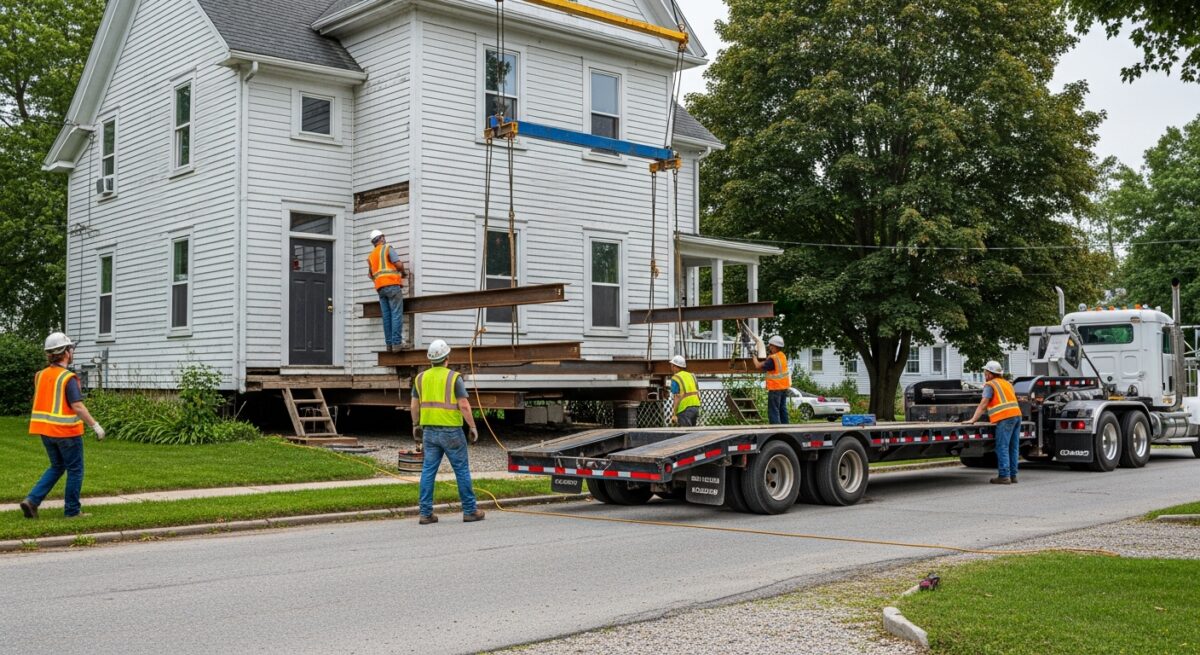
Structural house movers are specialty contractors who handle the physical relocation of an entire building. Unlike standard moving companies that transport furniture and boxes, these professionals move the building itself. They raise the structure onto a steel frame, attach wheels or dollies, and tow it to a new site using heavy-duty trucks. Home relocation services include everything from initial site surveys and permit acquisition to foundation preparation and final placement.
This service is not limited to small cottages. Many structural house movers have moved large, multi-story homes, churches, and even commercial buildings. The key requirement is that the building is structurally sound enough to survive the lifting and transport. Homes with significant rot, termite damage, or weak framing may need extensive reinforcement before a move can occur.
Common Reasons for Moving a House
People choose to relocate a home for several practical and emotional reasons. Understanding these motivations can help you decide if structural house moving is right for you.
- Preserving a historic or sentimental structure: Old homes with unique architecture or family history can be saved from demolition by moving them to a new lot.
- Avoiding high demolition and rebuilding costs: In many cases, moving a house is cheaper than tearing it down and building a new one from scratch.
- Relocating to a better neighborhood or lot: If you love your home but not its current location, moving allows you to keep the house while changing the address.
- Land development pressures: Property owners may sell the land for development while preserving the home by moving it elsewhere.
Each of these scenarios requires careful planning and coordination with local authorities. The cost savings can be significant, but only if the move is executed by experienced professionals who understand structural integrity and transportation logistics.
The Step-by-Step House Relocation Process
Moving a house is a complex, multi-phase project that can take weeks or months from start to finish. Structural house movers follow a structured process to ensure safety and compliance. Below is a typical timeline for a residential move.
1. Initial Assessment and Feasibility Study
The first step is a site visit by the moving company. They inspect the house for structural issues, measure its dimensions, and assess the terrain of both the current and new locations. They also check for obstacles like power lines, trees, and narrow roads. This assessment determines whether the move is feasible and what specialized equipment will be needed.
2. Permits and Legal Approvals
No house can be moved without proper permits. The mover or homeowner must obtain transport permits from local and state authorities. These permits specify the route, time of day, and any escorts required. In some areas, you may also need a building permit for the new foundation and a demolition permit for the old site. The cost of permits varies widely, so factor this into your budget.
3. Site Preparation at Both Locations
Before the move, the old site must be cleared of obstacles, and the house must be disconnected from utilities (gas, water, electricity, sewer). At the new location, a foundation must be prepared. This can be a traditional concrete basement, a crawl space, or a slab. The foundation must be ready to receive the house on moving day.
4. Lifting and Loading
On moving day, the structural house movers use hydraulic jacks to lift the house off its existing foundation. Steel beams are slid underneath, and the house is carefully lowered onto a wheeled transport frame. This process requires precise coordination to avoid damaging the structure. For a trailer home, the process is simpler because the home is already built on a steel chassis designed for transport.
5. Transporting the House
The actual move is a slow, carefully choreographed operation. The truck moves at low speeds, often with police escorts. The route must avoid low bridges, weight-restricted roads, and sharp turns. Depending on the distance, the move may take several hours or multiple days. Throughout the journey, the movers monitor the house for shifting or stress.
6. Placement and Reconnection
Once the house arrives at the new site, it is lowered onto the prepared foundation. The movers level the structure and secure it in place. Then, the homeowner or a general contractor reconnects utilities, finishes the foundation seal, and completes any cosmetic repairs. This final phase can take several weeks, especially if the house needs new siding, roofing, or interior work.
Trailer House Movers and Moving a Trailer Home
Trailer house movers specialize in relocating manufactured homes and mobile homes. These structures are built on a permanent steel chassis with wheels, making them easier to move than site-built houses. However, moving a trailer home still requires professional equipment and knowledge of state regulations. Many structural house movers also offer trailer house moving services, as the skills overlap significantly.
When moving a trailer home, the key considerations include axle condition, tire pressure, and the structural integrity of the frame. Older mobile homes may have rusted frames that need repair before transport. Additionally, the home must be prepared by removing skirting, steps, and tie-downs. Utility disconnection is similar to a site-built home. Once on the road, trailer house movers must adhere to specific speed limits and route restrictions for oversize loads.
Cost Factors and Budgeting for a House Move
The cost of hiring structural house movers varies widely based on distance, house size, and complexity. A short, local move for a small home might cost $10,000 to $20,000, while a long-distance move for a large, multi-story house can exceed $100,000. Understanding the cost drivers helps you budget accurately. In our guide on hot tub movers cost and relocation services guide, we discuss similar cost factors that apply to specialized moving projects.
- Distance and route complexity: Longer distances and routes with obstacles increase labor, fuel, and permit costs.
- House size and weight: Larger, heavier homes require more powerful equipment and more support beams.
- Permits and escorts: Oversize load permits and police escorts add hundreds to thousands of dollars.
- Site preparation: Clearing trees, grading land, and building a new foundation are separate costs.
- Structural reinforcement: Homes in poor condition may need bracing, new beams, or roof supports before the move.
Always request a detailed quote from multiple structural house movers. Make sure the quote includes all permits, escorts, and any potential route changes. A reputable company will provide a transparent breakdown of costs and a guaranteed price.
Choosing a Reliable Structural House Moving Company
Selecting the right contractor is the most important decision you will make. Not all moving companies have the experience or equipment to move a house safely. Look for companies that specialize in structural relocation and have a proven track record. Ask for references and photos of previous projects. Verify that they carry liability insurance and workers’ compensation coverage. A professional team will gladly provide proof of insurance and explain their safety protocols.
It is also wise to check online reviews and ratings on platforms like the Better Business Bureau. Avoid companies that give vague estimates or pressure you to sign a contract quickly. Trust your instincts. If a mover seems disorganized or reluctant to answer questions, look elsewhere.
Frequently Asked Questions
Can any house be moved?
Most houses can be moved if they are structurally sound. However, homes with severe rot, termite damage, or weak foundations may require significant reinforcement before a move. A professional assessment is essential.
How long does it take to move a house?
The entire process, from planning to final placement, can take four to eight weeks. The actual transport day is usually just a few hours, but preparation and post-move work take the most time.
Is it cheaper to move a house or build a new one?
In many cases, moving a house is 30 to 50 percent cheaper than demolishing and rebuilding. However, costs vary by location and house condition. Get quotes for both options before deciding.
Do I need a special permit to move a house?
Yes. Permits are required for transport and for the new foundation. Your structural house mover typically handles the permit process, but you are responsible for fees.
Can I live in the house during the move?
No. The house must be completely empty of people, furniture, and belongings during the move. Utilities are disconnected, and the structure is unstable while in transit.
Final Thoughts on Structural House Movers and Home Relocation Services
Moving a home is a major undertaking, but with the right team and careful planning, it can be a rewarding way to preserve a cherished structure or save money on housing. Structural house movers and home relocation services offer a specialized skill set that turns a seemingly impossible task into a manageable project. Whether you are working with trailer house movers for a manufactured home or a full-service structural moving company for a historic house, the keys to success are research, preparation, and clear communication. For those considering a move, the first step is to contact a reputable professional for an assessment. With the right partner, your home can find a new home of its own.
If you are exploring financing options for your relocation project, consider reviewing resources like car loan refinancing to understand how to manage large expenses. While not directly related to moving, financial planning is a vital part of any major life change.