Smart Storage Solutions for Movers: Save Time and Money

Moving day often brings a flood of decisions, but one of the most important choices you will make involves what to do with your belongings when your new home is not ready or when your current home is already sold. Whether you face a gap between closing dates, need to declutter before showings, or simply require a secure place for seasonal items, finding the right storage solution can transform a chaotic move into a manageable transition. Many people underestimate how much stress a temporary storage unit can relieve, especially when coordinating a long-distance relocation or downsizing to a smaller space.
The key to a smooth move lies in planning ahead and understanding which storage options align with your timeline, budget, and the nature of your possessions. From short-term lockers to full-service climate-controlled facilities, the market offers a wide range of choices. This article breaks down the most practical storage solutions for movers, helping you avoid common pitfalls and keep your belongings safe until you are ready to receive them.
Why Storage Matters During a Move
Gaps in moving timelines are more common than most people expect. A seller might close on your old home two weeks before your new construction is complete, or your lease might end before your long-distance moving truck arrives. Without a secure place to keep furniture, boxes, and fragile items, you risk paying for last-minute hotel stays, renting a truck twice, or storing everything in a friend’s garage where conditions are unpredictable.
Storage solutions for movers address these exact pain points. They offer a bridge between properties, giving you the freedom to move out on schedule without forcing your belongings into unsafe or temporary spaces. Additionally, storage can serve as a staging area for packing and unpacking. You can move boxes out of your home gradually, reducing clutter and making your living space feel more organized during the final days of packing.
Beyond timing, storage also protects your items from damage. If you are moving during a humid summer or a freezing winter, climate-controlled storage prevents wood from warping, electronics from corroding, and fabrics from developing mold. For anyone moving valuable antiques, artwork, or sensitive electronics, this protection is not optional; it is essential.
Types of Storage Solutions for Movers
Not all storage facilities are created equal, and the right choice depends on your specific situation. Below are the most common categories you will encounter when researching options.
Short-Term vs. Long-Term Storage
The duration of your storage need is the first factor to consider. Short-term storage typically covers a few days to a few months. This works well for movers who need a temporary holding space between closing dates or while waiting for a rental to become available. Most facilities offer month-to-month leases with no long-term commitment, making them ideal for this scenario.
Long-term storage, on the other hand, spans six months or more. This is common for individuals who are moving abroad, traveling extensively, or downsizing with plans to retrieve items later. Long-term storage requires more careful packing and often benefits from climate control and pest prevention measures. If you anticipate storing items for over a year, invest in high-quality boxes, furniture covers, and pallets to keep everything off the concrete floor.
Climate-Controlled vs. Standard Storage
Climate-controlled units maintain a consistent temperature and humidity level, usually between 55 and 85 degrees Fahrenheit. This is critical for items like wooden furniture, leather goods, musical instruments, photographs, and electronics. Standard units, while cheaper, expose your belongings to outdoor temperature swings and moisture fluctuations. For a move that involves seasonal changes or if you live in an area with extreme weather, climate control is worth the extra cost.
Consider this practical example: If you store a wooden dining table in a standard unit during a humid summer, the wood can absorb moisture and warp. By the time you retrieve it for your new home, the table might not sit level on the floor. Climate-controlled storage prevents this damage and preserves the value of your furniture.
Portable Storage Containers
Portable storage containers offer a hybrid solution. A company drops off a weatherproof container at your current home. You pack it at your own pace, and then the company picks it up and either stores it at their facility or delivers it directly to your new home. This eliminates the need to rent a truck and drive back and forth between locations.
Portable containers are especially useful for local moves where you want to pack gradually over several days. They also reduce the risk of theft or damage since you load and secure the container yourself. However, you must check local regulations regarding parking permits if the container will sit on a public street. Some cities require permits for roadside containers, and failing to obtain one can result in fines.
Full-Service Storage and Moving
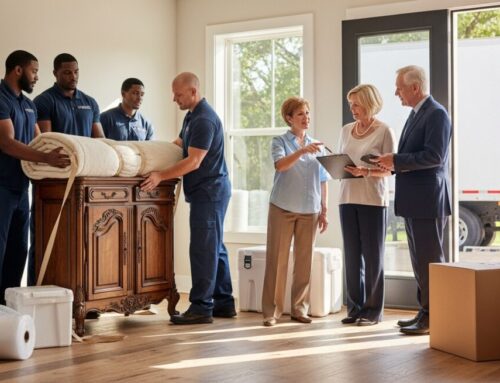
Some moving companies offer integrated storage solutions as part of their service package. With this option, professional movers pack your items, load them onto a truck, and transport them directly to a secure storage facility managed by the same company. When you are ready, they retrieve your items and deliver them to your new home.
This option is ideal for people who want a hands-off experience. You pay for the convenience of having a single point of contact for both moving and storage. It also reduces the risk of miscommunication between separate moving and storage providers. However, full-service storage often costs more than renting a unit independently, so compare quotes carefully.
How to Choose the Right Storage Facility
Selecting a storage facility requires more than comparing monthly rates. You must evaluate security, accessibility, and contract terms to ensure your belongings stay safe and accessible when you need them.
Before signing a lease, check these essential features:
- Security measures: Look for facilities with 24/7 video surveillance, gated access with individual keypad codes, and well-lit premises. Some facilities also offer on-site managers who live in the building.
- Access hours: Confirm whether you can access your unit during evenings and weekends. Some facilities restrict access to business hours, which can be inconvenient if you need to retrieve items after work.
- Pest control: Ask about the facility’s pest management program. Rodents and insects can destroy boxes and furniture if the building is not regularly treated.
- Insurance requirements: Most facilities require tenants to carry renters insurance or purchase their coverage plan. Verify what is covered and whether your homeowner’s policy extends to stored items.
- Contract flexibility: Read the fine print regarding late fees, notice periods for vacating, and automatic renewal clauses. Some facilities penalize early move-outs, while others offer prorated refunds.
Once you have narrowed down your options, visit the facility in person before renting. Online photos can be misleading. Walk through the hallways, check for cleanliness, and ask to see a unit similar to the one you will rent. Pay attention to lighting, temperature, and the overall condition of the building.
Packing Tips for Stored Items
Proper packing is the single most important factor in preventing damage while your items are in storage. Even the best climate-controlled unit cannot fix the damage caused by poorly packed boxes or unprotected furniture.
Start by using sturdy, uniformly sized boxes. Avoid overloading large boxes with heavy items like books, which can cause the box to collapse. Instead, distribute weight across smaller boxes and clearly label each one with its contents and the room it belongs to. Use packing paper or bubble wrap for fragile items, and fill empty spaces in boxes with crumpled paper to prevent shifting during transport.
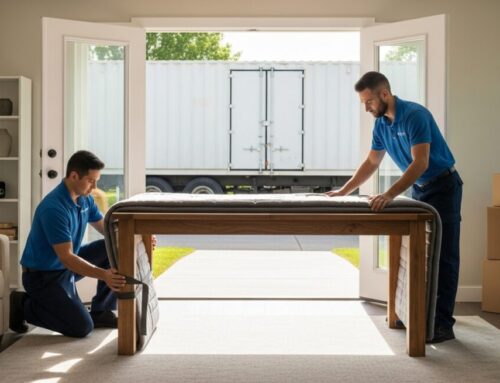
Furniture requires special attention. Disassemble bed frames, tables, and shelving units whenever possible. Wrap wooden legs and tabletops in furniture pads or moving blankets, then secure the padding with stretch wrap. Remove drawers from dressers and store them separately to prevent them from sliding open and damaging the frame. For upholstered items, use breathable fabric covers rather than plastic, which can trap moisture and promote mold growth.

Electronics should be stored in their original boxes if available. If not, use anti-static bubble wrap and place each item in a sturdy box with plenty of cushioning. Remove batteries from devices to prevent corrosion. For televisions and monitors, store them upright and never lay them flat, as the screen can crack under pressure.
Cost Considerations and Budgeting
Storage costs vary widely based on location, unit size, climate control, and demand. A small 5×5 unit in a rural area might cost $30 per month, while a large 10×20 climate-controlled unit in a major city can exceed $300 per month. To avoid overspending, measure your belongings and choose the smallest unit that will fit everything. Renting extra space you do not use is a common mistake among movers.
Many facilities offer promotional rates for the first month, but these prices often increase significantly after the introductory period. Ask about the standard rate after the promotion ends and factor that into your budget. Additionally, some facilities charge administrative fees, security deposits, or mandatory insurance premiums. Request a written estimate that includes all fees before signing.
For those moving on a tight budget, consider sharing a unit with a friend or family member who is also moving. Just ensure you have a written agreement about access times and responsibility for payments. Another cost-saving strategy is to delay renting a unit until absolutely necessary. If you can store items temporarily in a garage or basement of a friend’s home, you might avoid paying for storage for several weeks.
Common Storage Mistakes to Avoid
Even experienced movers make errors when storing their belongings. Being aware of these pitfalls can save you time, money, and frustration.
One frequent mistake is failing to create an inventory list. Without a detailed list of what you stored and where each box is located, retrieving specific items becomes a scavenger hunt. Take photos of your unit after loading and keep a digital copy of your inventory on your phone. This allows you to quickly locate a winter coat or a specific kitchen gadget without unpacking everything.
Another common error is stacking boxes too high or placing heavy boxes on top of fragile ones. Use a sturdy shelving unit inside your storage space to keep boxes organized and prevent crushing. Leave a small aisle down the center of the unit so you can access boxes in the back without moving everything from the front.
Finally, do not store perishable items, flammable materials, or valuable documents without proper protection. Most facilities prohibit storing food, paint, gasoline, or propane tanks. Important documents like passports, birth certificates, and wills should be kept in a fireproof safe or with a trusted family member rather than in a storage unit.
Integrating Storage Into Your Moving Timeline
To get the most out of your storage rental, align your moving schedule with the storage period. If you are moving locally, schedule the storage unit delivery or drop-off a few days before your move-out date. This gives you time to load non-essential items first, such as seasonal decorations, books, and rarely used kitchen appliances. Save essential items like bedding, toiletries, and a few changes of clothes for the final load that goes directly to your new home.
For long-distance moves, coordinate with your moving company to ensure your belongings arrive at the storage facility on the same day they are loaded from your home. This avoids the need for temporary holding at a warehouse, which can add extra handling and increase the risk of damage. In our guide on Choosing Local Residential Movers, we explain how to vet companies that offer combined moving and storage services, ensuring you work with professionals who handle both stages with care.
When it is time to retrieve your items, plan your move-out from storage carefully. Give yourself at least a week to empty the unit, especially if you have large furniture or many boxes. Rushing the process often leads to broken items or forgotten belongings. Schedule a pickup truck or van in advance and invite friends to help if needed.
If you are financing your move and storage costs, some movers turn to short-term personal loans to cover upfront expenses like security deposits and first-month rent. For those exploring flexible payment options, a resource such as StartAutoLoan.com can provide information on financing solutions that help bridge temporary cash flow gaps. Always compare interest rates and terms before committing to any loan, and prioritize paying off the balance quickly to minimize interest.
Frequently Asked Questions
How much storage space do I need for a two-bedroom apartment?
For a two-bedroom apartment, a 10×10 unit is usually sufficient. This size holds furniture from a living room, dining room, and two bedrooms, plus approximately 50 to 60 boxes. If you have oversized items like a piano or large sectional, consider a 10×15 unit.
Can I access my storage unit at any time?
Access policies vary by facility. Some offer 24/7 access with a personal code, while others limit access to business hours (usually 6 a.m. to 9 p.m.). Always confirm access hours before renting, especially if you need to retrieve items after work.
Is climate-controlled storage worth the extra cost?
Yes, for most household goods. The cost difference is typically $20 to $50 per month, but it protects against warping, mold, and electronic damage. For items stored longer than three months, climate control is almost always recommended.
What items should I never store?
Do not store perishable food, live plants, flammable liquids, hazardous chemicals, or illegal items. Also avoid storing important documents like wills and passports unless you have a fireproof safe. Most facilities also prohibit storing tires or vehicles unless specifically allowed.
How do I prevent pests in my storage unit?
Use plastic bins instead of cardboard boxes when possible, as cardboard attracts insects and rodents. Keep items off the floor using pallets or shelving. Avoid storing fabric items like mattresses and couches without protective covers. Finally, check the facility’s pest control schedule to ensure regular treatments.
Final Thoughts on Storage for Your Move
Choosing the right storage solutions for movers can mean the difference between a stressful gap in your timeline and a seamless transition to your new home. By evaluating your needs, comparing facility options, and packing with care, you protect your belongings and your peace of mind. Whether you opt for a short-term unit, a portable container, or full-service storage, the investment pays off when you finally walk into your new home and find everything exactly as you left it. Take the time to plan, ask questions, and secure a facility that meets your standards. Your future self will thank you.