Smart Apartment Moving Services and Relocation Planning

Moving from one apartment to another can feel like a logistical puzzle with too many pieces. Between coordinating elevator reservations, navigating narrow hallways, and protecting furniture from stairwell scuffs, the process requires more than just muscle. Professional apartment moving services and relocation planning turn this chaos into a streamlined operation. With the right strategy and help from trained apt movers, you can avoid common setbacks like broken valuables, surprise fees, and lost time. This guide walks you through every stage of the move, from choosing the right help to unpacking with purpose.
Why Apartment Moves Differ from House Moves
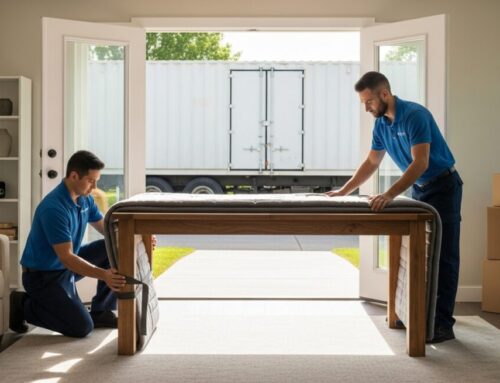
Apartment moves come with unique constraints that house moves rarely present. Building access rules, freight elevator schedules, and parking restrictions require advance coordination. Many apartment dwellers also face tight staircases, small elevators, and limited space for staging boxes. These factors make it essential to work with apartment to apartment movers who understand multi-unit building logistics. They know how to protect hallways, avoid damaging walls, and navigate tight corners without causing damage to your belongings or the building. Experienced apt moving teams also carry specialized dollies and padding designed for corridors and narrow doorways.
Timing is another critical difference. Unlike house moves, where you often control the loading zone, apartment moves depend on building management approval. Many buildings require certificates of insurance from moving companies and restrict move-in or move-out hours to specific windows. Failing to secure these permissions can result in denied access or costly fines. That is why thorough relocation planning should begin at least four to six weeks before your lease ends. Contact your building manager early to understand requirements, reserve the freight elevator, and confirm any fees. A professional apartment moving service will handle many of these details for you, but your advance notice makes their job easier.
Creating Your Relocation Plan: A Step-by-Step Framework
Effective relocation planning starts with a timeline. Break your move into manageable phases rather than cramming everything into the final weekend. Begin with a sorting phase three weeks out, where you declutter closets, drawers, and storage areas. Donate or sell items you no longer need. This reduces the volume of items to pack and lowers your moving cost. Two weeks before the move, start packing non-essential items like off-season clothing, books, and decorative pieces. Use sturdy boxes and label each one clearly with its destination room and contents. This simple step saves hours during unpacking.
One week before moving day, confirm all arrangements with your chosen apartment moving service. Verify the arrival window, truck size, and any special equipment needed for large furniture. If you are using apartment to apartment movers for a cross-town relocation, check that they have the correct address and building access instructions. Prepare a separate bag or box for essentials you will need immediately upon arrival: toiletries, a change of clothes, chargers, medications, and important documents. Label this clearly so it does not get loaded into the moving truck. On moving day, walk through each room with the crew leader to point out fragile items and special handling needs. Clear pathways and protect floors with drop cloths if your movers do not provide them.
Key Elements of a Solid Relocation Plan
Every successful relocation plan includes a few non-negotiable steps. The following checklist covers the essentials most renters overlook until it is too late:
- Building access paperwork: submit certificates of insurance and reservation forms at least two weeks before moving day.
- Utility transfer scheduling: arrange disconnection at your old apartment and connection at your new one for the same day.
- Change of address updates: notify the post office, banks, subscriptions, and government agencies at least one week before the move.
- Packing strategy: pack room by room and label boxes with both content and destination. Use color-coded tape for quick identification.
- Valuables protection: transport jewelry, important documents, and small electronics personally rather than in the moving truck.
Following this framework reduces stress and prevents last-minute scrambles. It also helps your apartment movers work more efficiently, which can reduce your total moving time and cost. Remember that good planning does not just protect your belongings; it protects your time and peace of mind.
Choosing the Right Apartment Moving Service
Not all moving companies specialize in apartment moves. When researching providers, look for those who explicitly offer apartment moving services and have experience with multi-unit buildings. Ask about their equipment: do they have furniture sliders, shoulder dollies, and corner protectors? Do they offer floor and wall protection as a standard part of their service? Reputable companies will answer these questions confidently and may even provide a site survey to assess your building’s layout. In our guide on how to hire and use apartment moving services effectively, we explain how to vet companies and compare quotes without falling for low-ball estimates.
Pricing is another major consideration. Most apartment movers charge by the hour for local moves, with additional fees for stairs, long carries, or bulky items. Get a written estimate that breaks down all potential charges. Avoid companies that demand large deposits upfront or refuse to provide a binding estimate. For long-distance apartment moves, look for movers that offer guaranteed pricing with no hidden fees. Professional services like those featured on Moving.Homes provide 99 percent accurate quotes and trained crews that handle everything from packing to furniture assembly. This level of service is especially valuable for renters moving into high-rise buildings with strict move-in policies.
Insurance coverage should also factor into your decision. Basic liability coverage is often included but may only cover a fraction of your belongings’ value. Ask about full-value protection or consider supplemental insurance for high-value items like electronics, artwork, or antiques. Apartment to apartment movers who offer customized crating and carpentry can also build protective boxes for oddly shaped items. This added service prevents damage that standard packing might not prevent.
Packing Strategies for Apartment Moves
Packing for an apartment move requires more strategy than simply filling boxes. Limited floor space means you must work in zones. Start with one room at a time and pack completely before moving to the next. Use uniform box sizes when possible, as they stack more securely on dollies and in the truck. Heavier items like books should go in small boxes to keep weights manageable for both you and your movers. Lighter items like linens and pillows can fill larger boxes. Wrap fragile items individually in packing paper or bubble wrap, and use dish packs with dividers for glassware and plates.
Labeling is critical in apartment moves because boxes often end up in temporary staging areas before reaching their final rooms. Write the destination room and a brief contents list on each box. Numbering boxes and keeping an inventory list helps you track everything during and after the move. You can also photograph your electronics setup before disconnecting cables to make reconnection easier. For furniture, remove legs and hardware where possible and store screws in labeled bags taped to the item. This prevents lost parts and simplifies reassembly at your new apartment.

Consider using professional packing services if your budget allows. Trained packers work quickly and efficiently, often completing in hours what would take you days. They also bring high-quality materials like double-layered boxes and specialty wraps that protect your items better than store-bought alternatives. Many apartment moving companies offer packing as an add-on service, which simplifies coordination since the same crew handles both packing and moving. This reduces the risk of miscommunication and ensures your belongings are handled consistently from start to finish.
Managing Moving Day Logistics
Moving day in an apartment building operates on a tight schedule. Confirm your elevator reservation and parking spot the night before. If your building requires a specific loading dock or service entrance, make sure your movers know the exact location. Clear hallways and common areas of obstacles to prevent accidents and delays. Keep pets and young children in a separate room or with a friend during the heaviest activity. This keeps them safe and allows the moving crew to work without distractions.
Communicate clearly with your move coordinator throughout the day. Point out any items that require special care, such as antiques or electronics. Verify that your movers have access to water and restroom facilities, especially for long moves. If you are moving into a building with a doorman or concierge, introduce your crew leader to the building staff to ensure smooth coordination. After the truck is loaded, do a final walkthrough of your old apartment to check closets, cabinets, and storage spaces for forgotten items. Take photos of the empty unit for your security deposit records.
At your new apartment, direct the crew on where to place each piece of furniture and box. Having a floor plan ready can speed up this process significantly. Check each room as it is unloaded for any damage and note it on your inventory list. Most professional movers will help you inspect items before they leave. If you notice damage, document it with photos and report it to the company immediately. Reputable services will work with you to resolve claims quickly. For more on protecting your finances during a move, you can explore resources like auto loan guidance that help you manage transportation costs if you are also purchasing a vehicle in conjunction with your relocation.
Frequently Asked Questions
How far in advance should I book apartment moving services?
Most professional movers recommend booking at least four to six weeks in advance, especially during peak season from May to September. Popular moving dates like the first and last of the month fill up quickly. Booking early gives you more flexibility with scheduling and often secures better rates.
What is the average cost of an apartment move?
Costs vary based on distance, apartment size, and services required. Local apartment moves typically range from $400 to $1,500 for a one-bedroom unit. Long-distance moves are priced by weight and distance. Always get a written estimate and ask about potential additional fees for stairs, elevators, or bulky items.
Do apartment movers provide packing supplies?
Many moving companies offer packing supplies for purchase or include them in premium service packages. Supplies typically include boxes of various sizes, tape, bubble wrap, packing paper, and markers. Some companies also offer eco-friendly or reusable packing options.
Can I pack my own belongings to save money?
Yes, self-packing is a common way to reduce moving costs. However, be aware that movers may not be liable for damage to items you packed yourself. If you choose to pack your own belongings, use sturdy boxes and proper cushioning materials. Consider having the movers pack fragile or high-value items for better protection and insurance coverage.
What should I do if my new apartment building has no elevator?
Notify your moving company in advance so they can bring appropriate equipment and assign extra crew members. Stair carries typically incur additional fees based on the number of floors and flight length. Movers may use shoulder dollies or stair rollers to safely navigate staircases. Clear the stairwell of obstacles and ensure good lighting for safety.
Planning an apartment move does not have to be overwhelming. By starting early, hiring experienced professionals, and following a structured plan, you can transition into your new home with minimal stress. Reliable apartment moving services and relocation planning turn a potentially chaotic day into a smooth, efficient process. Whether you are moving across town or across the country, the right preparation makes all the difference.