Short Distance Moving Services Complete Guide
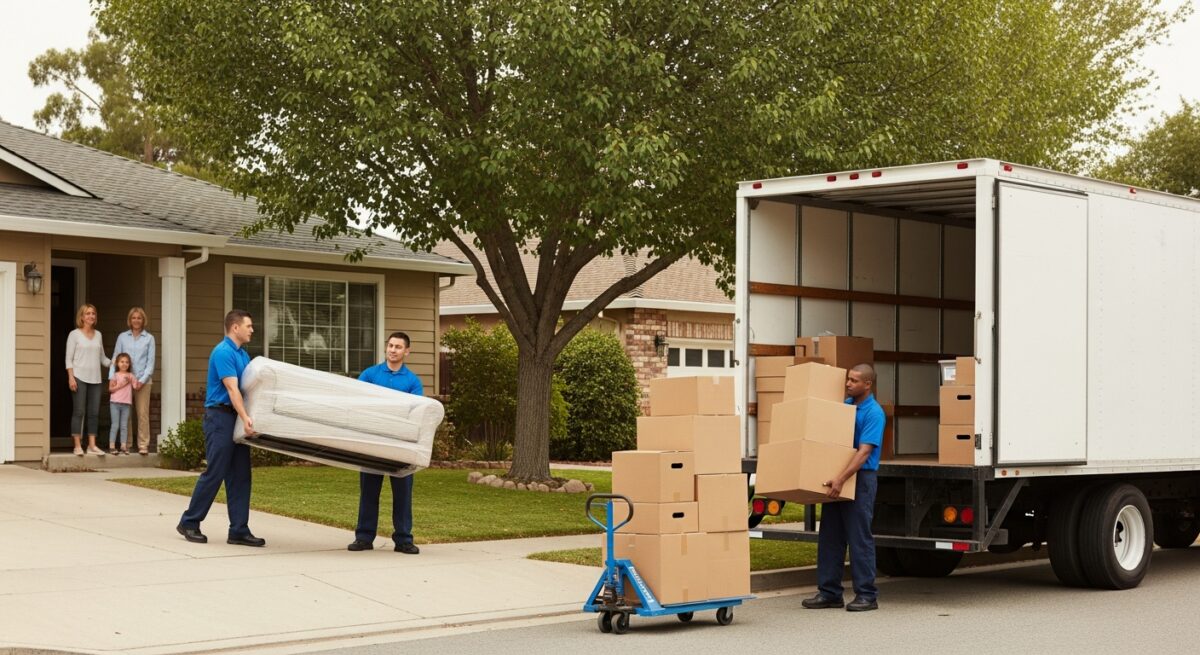
Moving to a new home or office just a few blocks or miles away can feel deceptively simple. Many people assume that because the distance is short, the process will be quick and cheap. In reality, local moves require careful planning, the right equipment, and a trustworthy team to avoid costly mistakes like damaged furniture or wasted time. A short distance move might be local, but it is not a simple task you can handle on a whim. Choosing professional short distance moving services can save you hours of labor and prevent the frustration of hauling heavy items through narrow doorways or up stairs. Whether you are moving across town or to the next neighborhood, this guide walks you through every step to ensure a smooth and efficient relocation.
What Defines a Short Distance Move
A short distance move typically refers to a relocation within the same city, town, or metropolitan area. Moving companies often define this as a distance under 50 to 100 miles, though the exact cutoff varies by provider. Unlike long-distance moves that involve interstate logistics and overnight transport, local moves focus on speed, efficiency, and minimizing downtime. The key difference is that your belongings do not need to be stored on a truck for days. Instead, they travel directly from your old address to your new one in a single day. This makes scheduling more flexible but also demands precise coordination between loading and unloading crews.
Another defining characteristic of short distance moving is the pricing model. Most local movers charge by the hour rather than by weight or mileage. This hourly rate typically includes the travel time between locations, loading and unloading labor, and basic equipment like dollies and furniture pads. Some companies also offer a flat rate for a guaranteed number of hours. Understanding this pricing structure helps you budget accurately and avoid surprise charges. For example, if you have a three-bedroom home, a professional crew might complete the job in four to six hours. Comparing quotes from multiple providers lets you find a balance between cost and service quality.
Benefits of Hiring Professional Local Movers
Hiring professional short distance moving services brings several advantages that go beyond simply lifting boxes. First, experienced movers know how to navigate tight spaces, staircases, and narrow hallways without damaging walls or furniture. They bring specialized equipment such as shoulder straps, furniture sliders, and ramp systems that make moving heavy items safer and faster. Second, professional crews work as a coordinated team, which significantly reduces the total time spent on loading and unloading. What might take you and a few friends an entire weekend can often be completed by a pro crew in a few hours.
Third, hiring movers reduces physical strain and injury risk. Lifting heavy sofas, washing machines, or pianos without proper technique can lead to back injuries or dropped items. Movers are trained in proper lifting mechanics and have insurance to cover any accidental damage. Fourth, many local moving companies offer add-on services such as packing, unpacking, and furniture disassembly or reassembly. These extras can save you even more time and stress. Finally, a professional move frees you to focus on other important tasks like changing your address, setting up utilities, and cleaning your old home.
How to Choose the Right Local Mover
Selecting a reliable moving company is the most important decision you will make during your relocation. Start by asking for recommendations from friends, family, or your real estate agent. Online reviews on platforms like Google, Yelp, and the Better Business Bureau also provide valuable insight into a company’s reputation. Look for movers with consistent positive feedback about punctuality, care for belongings, and transparent pricing. Avoid companies with numerous complaints about hidden fees, damaged items, or poor communication.
Once you have a shortlist of candidates, request in-home or video estimates from at least three companies. A reputable mover will want to see your belongings in person to give an accurate quote. Be wary of companies that provide a price over the phone without a visual inspection. During the estimate, ask about their licensing and insurance. Local movers should have a USDOT number if they operate across state lines, and they should carry liability and cargo insurance. Also inquire about their policy for delays, cancellations, and items that are especially heavy or valuable. After comparing estimates, choose a mover that offers a fair price, clear terms, and a professional demeanor.
Red Flags to Watch For
Certain warning signs should make you reconsider a moving company. If a mover demands a large cash deposit upfront or refuses to provide a written contract, that is a major red flag. Similarly, companies that change their price significantly on moving day or lack a physical address should be avoided. Always verify that the company is registered with the Federal Motor Carrier Safety Administration (FMCSA) if they cross state lines. Trust your instincts: if something feels off during the estimate or phone call, look for another provider.
Packing Strategies for a Local Move
Packing for a short distance move is different from packing for a long-distance relocation. Since your items will be in transit for only a few hours, you can use less heavy-duty packing materials for some items. However, you still need to protect fragile belongings from bumps and jostles during loading and unloading. Start by decluttering your home before you pack. Donate or sell items you no longer need, as this reduces the volume of boxes and lowers your moving cost. Then gather quality packing supplies: sturdy boxes in various sizes, packing tape, bubble wrap, packing paper, and markers for labeling.
When packing, use a room-by-room approach. Pack items from less-used rooms first, such as guest bedrooms or storage closets, and leave daily essentials for last. Clearly label each box with its contents and the room it belongs to. This makes unpacking much faster and helps movers place boxes in the correct rooms. For fragile items like dishes and glassware, wrap each piece individually in packing paper or bubble wrap and use plenty of cushioning inside the box. Fill empty spaces in boxes with crumpled paper to prevent items from shifting. Seal boxes with strong tape and reinforce the bottom. Finally, create a box of essentials that you keep with you: toiletries, a change of clothes, important documents, phone chargers, and basic tools.
The Moving Day Timeline
A well-organized moving day reduces stress and keeps everything on schedule. Here is a typical timeline for a short distance move with professional movers:
- Morning (7:00 AM – 8:00 AM): Movers arrive at your old home. Walk through the house with the crew leader to point out fragile items, heavy furniture, and any special handling needs. Confirm the final price and sign the paperwork.
- Morning to Early Afternoon (8:00 AM – 1:00 PM): The crew loads furniture and boxes onto the truck. They wrap large items in moving blankets and secure them with straps. You can help by keeping walkways clear and answering any questions.
- Midday (1:00 PM – 2:00 PM): The truck travels to your new home. This window includes travel time and a short lunch break for the crew.
- Afternoon (2:00 PM – 5:00 PM): Movers unload the truck and place items in the designated rooms. They reassemble furniture if you requested that service. You inspect each room to ensure everything is accounted for.
- Late Afternoon (5:00 PM onward): The crew completes the job, you pay the balance, and you begin unpacking at your own pace.
This timeline can vary based on the size of your home, the number of items, and the distance between locations. Discuss the expected duration with your moving company during the estimate so you can plan your day accordingly.
Cost Factors and How to Save Money
The cost of short distance moving services depends on several variables. The most significant factor is the size of your move, which determines how many movers and how many hours are needed. A studio apartment might take two movers two hours, while a four-bedroom house could require four movers for six hours. Additional factors include the distance between locations, the presence of stairs or elevators, and any add-on services like packing or furniture disassembly. The season also affects pricing: summer and the first and last weekends of the month are peak times with higher rates. Moving on a weekday or during the off-season (fall or winter) can save you 20 to 30 percent.

To keep costs under control, consider these money-saving strategies:
- Declutter before you move: Fewer items mean fewer boxes and less loading time, which directly reduces your hourly cost.
- Pack yourself: Professional packing is convenient but adds to the total bill. If you pack your own boxes, use proper materials to avoid damage.
- Disassemble furniture yourself: Taking apart bed frames, tables, and shelving units before the movers arrive saves time and labor charges.
- Be flexible with your date: If possible, avoid weekends and month-end dates. A Tuesday or Wednesday in the middle of the month often results in lower rates.
- Compare multiple quotes: Get estimates from at least three different movers. Look for transparent pricing with no hidden fees.
Remember that the cheapest quote is not always the best value. A slightly higher price from a reputable company with good reviews and insurance is often worth the peace of mind.
Special Considerations for Apartments and Stairs
Moving from or into an apartment building adds extra steps to your relocation. You may need to reserve an elevator, schedule a loading dock time, or obtain a parking permit for the moving truck. Contact your building management at least two weeks before moving day to learn about their rules and fees. Some buildings require a certificate of insurance from the moving company, while others have specific hours when moves are allowed. Failing to follow these rules can result in fines or delays. For stair moves, movers often use shoulder straps and furniture sliders to protect both the items and the stairwell walls. If you live on a high floor without a service elevator, expect the moving time to increase by 15 to 30 minutes per floor.
When moving out of an apartment, protect the common areas. Place floor runners in hallways and use corner protectors on walls. Some movers offer floor and wall protection as part of their service, which is worth the small extra cost. For the new apartment, measure doorways, hallways, and elevator dimensions to ensure large furniture pieces will fit. If a sofa or bed frame is too large, the movers may need to disassemble it further or bring it in through a window using a crane, which adds complexity and cost. Discuss these possibilities with your moving company during the estimate.
Common Mistakes to Avoid
Even with a short distance move, certain mistakes can turn a simple relocation into a stressful ordeal. One common error is underestimating the time needed. People often think a local move can be done in a few hours and end up rushing or skipping important steps. Another mistake is failing to protect floors and walls. Moving heavy furniture across hardwood or tile floors without protection can cause scratches and dents that are expensive to repair. A third mistake is not labeling boxes clearly. When boxes arrive at the new home without labels, you waste hours searching for items or carrying boxes to the wrong rooms.
Another frequent issue is overloading boxes. Heavy boxes are difficult to lift and more likely to break. Keep boxes under 50 pounds, especially for books and kitchen items. Also, avoid packing hazardous materials like paint, propane tanks, or cleaning chemicals. Most movers will not transport these items, and you will need to dispose of them separately. Finally, do not forget to change your address with the post office, update your driver’s license, and transfer utilities. These administrative tasks are easy to overlook in the chaos of moving day. By planning ahead and avoiding these pitfalls, your local move will be much smoother.
Frequently Asked Questions
How far in advance should I book a local mover?
For a short distance move, it is best to book at least two to four weeks in advance. During peak season (May to September), you may need to book six weeks ahead to secure your preferred date. Last-minute bookings are sometimes possible but often come with higher rates or limited availability.
Do local movers provide packing materials?
Yes, most local moving companies sell packing supplies such as boxes, tape, bubble wrap, and markers. Some include basic supplies in their packing service, while others charge separately. Ask about this during your estimate so you know what to expect.
What items do movers usually not transport?
Movers typically will not transport hazardous materials (paint, gasoline, propane tanks), perishable food, plants, pets, or valuable documents like passports and wills. You should transport these items yourself or make separate arrangements.
Is tipping the moving crew expected?
Tipping is not required but is appreciated for good service. A common guideline is $20 to $40 per mover for a half-day move, or $40 to $60 per mover for a full day. You can also tip with snacks, drinks, or a positive online review.
What happens if my belongings get damaged?
Reputable movers carry liability and cargo insurance. If an item is damaged during the move, you can file a claim with the moving company. Be sure to document the damage with photos and report it within the time frame specified in your contract. For valuable items, consider purchasing additional valuation coverage.
Final Thoughts
A short distance move does not have to be overwhelming. With the right preparation, a reliable moving company, and a clear plan, you can transition to your new home with minimal stress. Focus on decluttering, packing methodically, and communicating openly with your movers. Professional moving services can handle the heavy lifting and logistics, allowing you to concentrate on settling in and enjoying your new space. Remember to compare quotes, read reviews, and ask questions before you commit. By following the steps in this guide, you will be well equipped to handle every aspect of your local relocation. For more detailed checklists and expert advice, explore our other resources on local moving services and packing tips.