Seasonal Moving Tips for Summer and Winter
Moving is a significant life event that requires careful planning, but the season in which you move can dramatically change the logistics, costs, and overall stress level. Whether you are facing the scorching heat of July or the freezing temperatures of January, each season brings unique challenges that demand a tailored approach. Understanding these seasonal moving tips for summer and winter can save you time, money, and physical strain. By preparing for the specific weather conditions, you can protect your belongings, ensure the safety of your moving crew, and keep your budget on track. This guide provides actionable advice for both extremes of the calendar, helping you navigate your relocation with confidence and efficiency. For a broader look at overcoming seasonal hurdles, our guide on How to Navigate Seasonal Moving Challenges offers additional strategies.
Summer Moving: Beating the Heat and Managing Demand
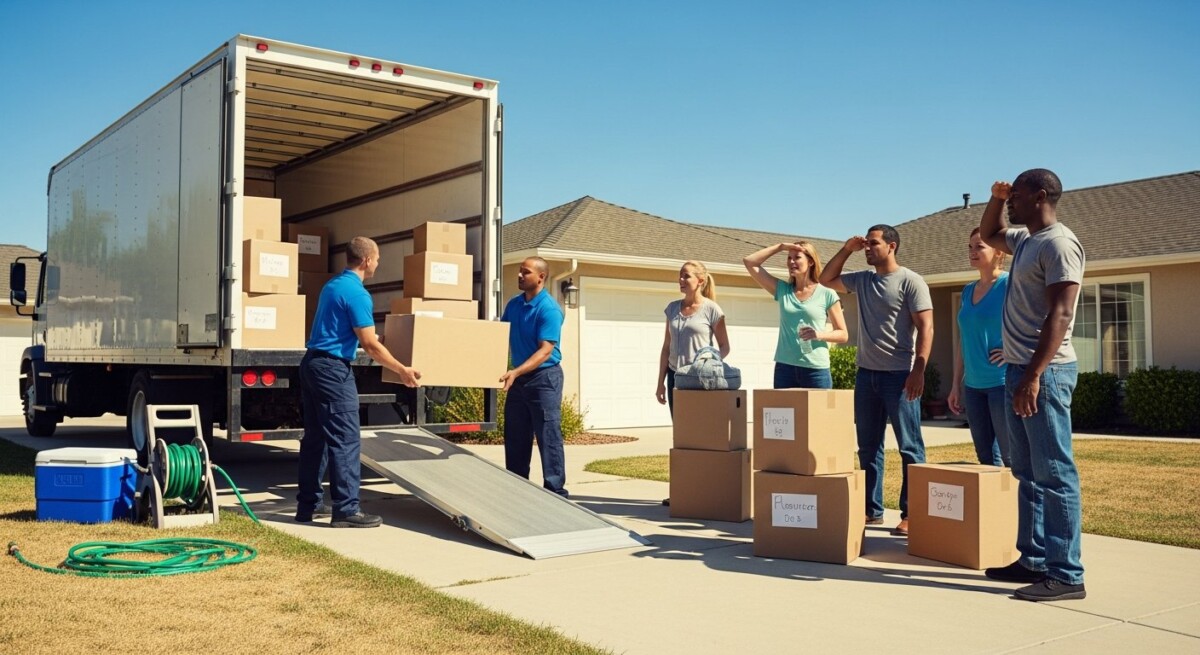
Summer is the peak season for moving, driven by school breaks, favorable weather, and the traditional real estate cycle. While the long daylight hours offer more time to work, the intense heat and high demand for moving services create a set of specific obstacles. The first step to a successful summer move is to plan well in advance. Professional movers often book up weeks or even months ahead during June, July, and August. Securing your moving date as early as possible is critical to avoid paying a premium for last-minute availability or settling for a less reputable company.
Hydration and heat management are paramount for everyone involved. Moving boxes and furniture in direct sunlight or inside a non-air-conditioned truck can quickly lead to heat exhaustion. Schedule heavy lifting for the early morning or late evening when temperatures are lower. Provide plenty of water, electrolyte drinks, and breaks for your moving crew, whether they are friends, family, or hired professionals. Additionally, consider the impact of heat on your possessions. Electronics, vinyl records, candles, and certain food items can warp, melt, or spoil in high temperatures. Pack these sensitive items in insulated containers or plan to transport them in your own air-conditioned vehicle.
Protecting Your Belongings from Summer Elements
The summer sun is not the only concern. Sudden thunderstorms can pose a serious threat to your furniture and boxes. Have a clear plan for protecting items if rain strikes during the loading or unloading process. Keep a supply of large plastic tarps and heavy-duty trash bags on hand to quickly cover furniture and electronics. Professional movers typically have these materials, but it is wise to have a backup. Furthermore, summer moves often involve navigating through grass, dirt, and pollen. Use floor runners or old sheets to protect carpets and flooring inside both your old and new homes. If you are moving plants, the heat can be especially damaging. Water them well the day before, and transport them in a climate-controlled vehicle if possible.
Winter Moving: Navigating Cold, Snow, and Ice
Moving in winter presents a different set of challenges, including freezing temperatures, snow, ice, and shorter daylight hours. While the demand for movers is generally lower, which can lead to better rates and more flexible scheduling, the weather conditions require extra precautions. The primary concern is safety for both people and possessions. Icy driveways, sidewalks, and steps create slip hazards. Before moving day, ensure all walking paths are cleared of snow and treated with salt or sand. This simple step can prevent serious injuries and make the process smoother for movers carrying heavy loads.
Cold temperatures can also damage your belongings. Electronics, batteries, and certain liquids can freeze and break. Similarly, wood furniture can crack or warp if exposed to sudden temperature changes. When moving items from a warm house to a cold truck, condensation can form, leading to mold or water damage if items are packed tightly. To mitigate this, allow items to acclimate slowly. Pack electronics and delicate items in insulated blankets and avoid leaving them exposed to the cold for extended periods. For any move, securing the right financing can ease the burden. When planning your budget, explore options like moving loan solutions to cover unexpected costs or professional services.
Preparing Your Home and Vehicle for Winter Relocation
Your new home may not have the heat turned on immediately, or the pipes might be at risk of freezing. Coordinate with your utility companies to ensure that gas, electricity, and water are active on moving day. If the house will be unheated, ask the movers to take extra care with items that could freeze, such as paint cans, cleaning supplies, or water-based glue. Also, protect your flooring from melted snow and slush. Place heavy-duty mats at all entrances and ask movers to wipe their boots frequently. Inside the moving truck, arrange furniture and boxes to prevent shifting during transit on potentially slick roads. If you are driving a rental truck, check that the vehicle has proper winter tires and that the heating system works correctly.
Essential Packing Strategies for Extreme Seasons
Packing is the most time-consuming part of any move, and the season dictates specific strategies. For a summer move, use high-quality boxes that can withstand humidity. Avoid packing items too tightly, as heat can cause expansion. Label boxes clearly with their contents and destination room, and mark any that contain heat-sensitive items. For winter moves, use moisture-resistant packing materials. Plastic bins are excellent for protecting items from snow and slush. Wrap fragile items individually in bubble wrap and then in a plastic bag to create a moisture barrier. A well-organized packing approach reduces stress and prevents damage.
Cost and Budget Considerations Across Seasons
The season you choose directly impacts your moving budget. Summer moves cost 20-30% more on average due to high demand. Moving companies often charge peak rates, and you may have to pay for additional services like expedited scheduling. On the other hand, winter moves offer significant savings. Many companies offer discounts or lower hourly rates during their off-peak season (November through March). However, these savings can be offset by potential costs like snow removal, extra packing materials for cold weather, or hotel stays if travel is delayed by a storm. When comparing quotes, ask specifically about seasonal surcharges or discounts. A detailed list of cost factors includes:

- Moving company rates: Peak season (summer) vs. off-peak (winter) pricing.
- Travel and lodging: Potential for weather-related delays and extra nights.
- Packing supplies: Need for specialized materials like plastic bins or thermal blankets.
- Utility connections: Fees for expedited hookups or deposits in a new home.
By understanding these variables, you can choose a season that aligns with your financial situation. If you have flexibility, a winter move can stretch your dollar further, but it requires more rigorous preparation for weather risks.
Health and Safety Precautions for Movers
Moving is physically demanding, and extreme weather amplifies the risks. In summer, the primary dangers are heat stroke, dehydration, and sunburn. Wear lightweight, breathable clothing, apply sunscreen, and take frequent breaks in the shade or air conditioning. Watch for symptoms of heat exhaustion, such as dizziness, nausea, or excessive sweating. In winter, the threats are hypothermia, frostbite, and muscle strains from lifting in awkward positions on icy surfaces. Dress in layers, wear insulated gloves with good grip, and use proper lifting techniques. Never rush on ice or snow. A few extra minutes of caution can prevent a serious injury that could derail your entire move.
Frequently Asked Questions
What is the best season to move to save money?
Winter is generally the most affordable season to move. From November to March, demand for moving services drops significantly, leading to lower rates and more negotiating power. Many companies offer discounts of 20-30% compared to summer prices.
How do I protect my electronics from heat during a summer move?
Pack electronics in their original boxes if possible, or use sturdy boxes with plenty of cushioning. Avoid leaving them in a hot truck for long periods. Transport sensitive items like computers and gaming consoles in your own air-conditioned vehicle.
Can I move plants in winter?
Yes, but extra care is needed. Wrap the pots in insulating material like bubble wrap and place the plant in a box. Keep the plants inside the moving truck where they are shielded from direct wind, and try to minimize the time they spend exposed to freezing temperatures.
Should I tip movers differently based on the season?
Tipping is a gesture of appreciation for good service, and the season can influence the amount. In summer, when movers work in intense heat, a larger tip (15-20% of the total cost) is appropriate. In winter, a similar percentage is fine, but you might also offer hot drinks or a warm meal as a thoughtful bonus.
Successfully navigating a move requires adapting your strategy to the season. Whether you are sweating through a July afternoon or bundling up for a January transfer, these seasonal moving tips for summer and winter will help you protect your belongings, manage your budget, and keep your stress levels in check. Plan ahead, communicate with your movers, and stay flexible. By respecting the weather and preparing accordingly, you can turn a potentially chaotic experience into a smooth transition to your new home. For personalized assistance and a free quote, call our team at (833) 762-3578.