RV Transport Services Cost and How It Works
Planning a cross-country road trip or relocating to a new state often involves a difficult decision: what to do with your recreational vehicle. Driving it yourself might seem economical, but the fuel, wear and tear, and time commitment can add up fast. For many RV owners, hiring a professional hauler is the smarter choice. Understanding RV transport services cost and how it works is the first step to making an informed decision that saves money and reduces stress.
The cost of shipping an RV varies widely based on distance, vehicle size, and the type of transport you choose. Whether you own a small travel trailer or a Class A motorhome, professional RV shipping services offer a safe and convenient alternative to driving. This guide breaks down the pricing factors, the step-by-step process, and what you can expect when you hire a carrier. By the end, you will know exactly how to budget for your move and what questions to ask before booking.
What Determines the Price of RV Transport?
The total price for RV transport is not a flat rate. Carriers calculate costs using several key variables that affect fuel consumption, route complexity, and insurance risk. Understanding these factors helps you get accurate quotes and avoid surprise fees.
Distance and Route
As with any shipping service, distance is the primary cost driver. Longer routes require more fuel, more driver hours, and more wear on the equipment. A cross-country move from California to Florida will cost significantly more than a 300-mile trip within the same state. Additionally, the specific route matters. Highways with tolls, mountainous terrain, or remote areas with limited fuel stops can increase the price. Carriers often add surcharges for difficult access, such as narrow roads or steep driveways at the pickup or delivery locations.
RV Size and Weight
The dimensions and weight of your RV directly impact the type of trailer or flatbed needed for transport. A lightweight pop-up camper may fit on a standard open trailer, while a heavy Class A diesel pusher requires a specialized heavy-haul trailer. Larger and heavier RVs reduce the carrier’s fuel efficiency and may require special permits for certain roads. Expect to pay more for oversized vehicles that exceed standard width or height limits. Most transporters charge based on the RV’s length, with price brackets for vehicles under 20 feet, 20 to 30 feet, and over 30 feet.
Transport Type: Open vs. Enclosed
One of the biggest decisions you will make is whether to use open or enclosed transport. Open transport is the most common and most affordable option. Your RV is loaded onto an open trailer and exposed to weather, road debris, and dust. This method works well for standard RVs that are not show-quality or extremely valuable. Enclosed transport places your RV inside a covered trailer, protecting it from the elements and road hazards. This option is ideal for luxury motorhomes, vintage campers, or vehicles with delicate finishes. Enclosed transport typically costs 30 to 50 percent more than open transport due to the specialized equipment and limited capacity.
Other factors that influence the final quote include the season (summer is peak season and more expensive), the required delivery timeframe (expedited shipping costs more), and the availability of carriers on your specific route. If you are flexible with pickup and delivery dates, you can often negotiate a lower price.
The Step-by-Step Process of RV Shipping
Once you understand the cost structure, the next question is how the actual shipping process works. Professional RV shipping services follow a consistent workflow designed to protect your vehicle and ensure timely delivery. Here is a breakdown of the typical steps from quote to delivery.
Getting a Quote and Booking
Start by requesting quotes from multiple licensed and insured carriers. Provide accurate details about your RV, including the make, model, year, length, height, weight, and whether it is drivable. Also specify your pickup and delivery zip codes and desired dates. Most companies offer free online quotes. After comparing options, you will sign a transport order or bill of lading that outlines the agreed price, pickup window, delivery window, and liability terms. A deposit is usually required to secure the booking, with the balance due upon delivery.
Preparing Your RV for Transport
Preparation is crucial for a smooth shipping experience. You must complete a detailed inspection of your RV before the carrier arrives. Take photos of all sides, the roof, the tires, and any existing damage. This documentation protects you if the carrier damages your vehicle during loading or transit. Remove all personal belongings from the interior and exterior. Most carriers will not transport items inside the RV due to insurance restrictions and weight limits. Secure or remove any loose parts, such as antennas, awnings, bike racks, or satellite dishes. Disconnect the battery and propane tanks, and ensure the fuel tank is no more than a quarter full to reduce weight and fire risk.
Loading, Transport, and Delivery
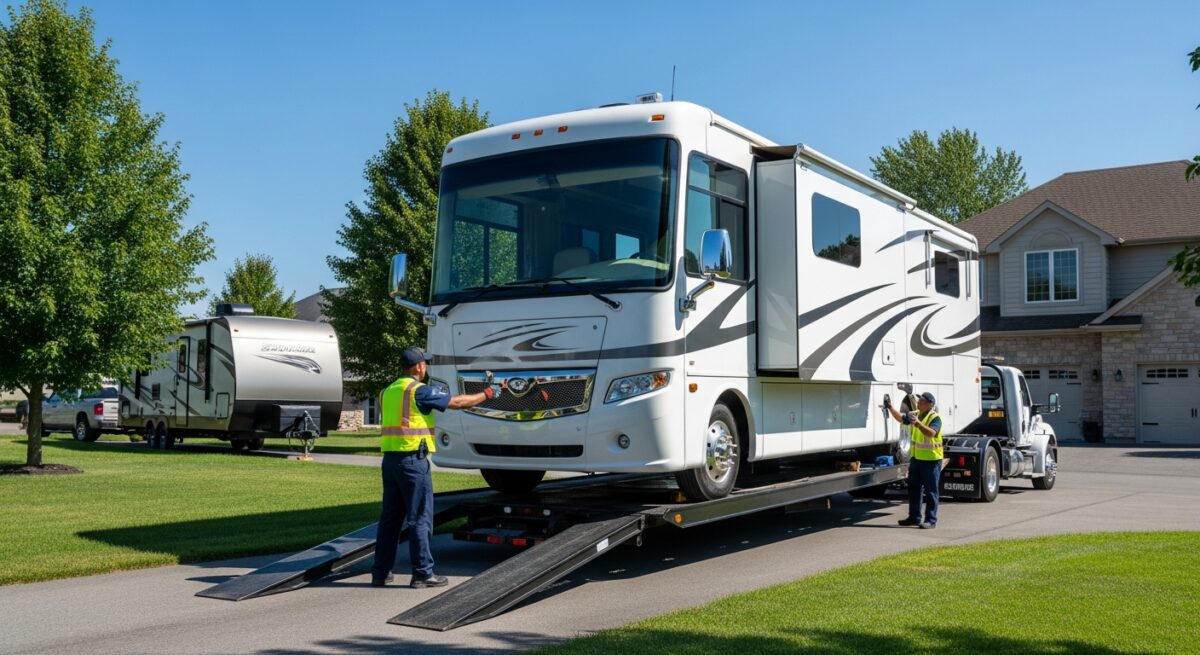
On the scheduled pickup day, the carrier will arrive with the appropriate trailer. They will perform their own inspection and note any pre-existing damage on the bill of lading. Both parties sign the document to confirm the condition. The RV is then carefully loaded using winches and ramps. During transit, the carrier will provide updates on the estimated arrival time. When the RV arrives at the destination, you or a designated representative must be present for inspection. Compare the vehicle’s condition to the original photos and the bill of lading. If you find any new damage, note it on the delivery receipt before signing. The carrier then collects the remaining payment, and the job is complete.
Comparing DIY Driving vs. Professional RV Transport
Many RV owners debate whether to drive the vehicle themselves or hire a transporter. While driving your own RV seems straightforward, the hidden costs often make professional transport more economical. Consider the following comparison when evaluating your options.
- Fuel costs: A motorhome that gets 8 to 10 miles per gallon will consume hundreds of dollars in fuel on a long trip. Professional carriers consolidate multiple vehicles, spreading the fuel cost across several customers.
- Wear and tear: Driving thousands of miles adds significant wear to tires, brakes, engine, and transmission. Professional transport eliminates this mileage and preserves your RV’s resale value.
- Time and convenience: Driving an RV across the country can take a week or more. Using RV transport services frees you to fly or drive a smaller vehicle, saving days of travel time and reducing fatigue.
- Insurance and liability: If you have an accident while driving, you are responsible for repairs and potential liability. Professional carriers carry cargo insurance that covers your RV during transit.
For many owners, the combination of cost savings and convenience makes professional shipping the smarter choice. However, if you enjoy the road trip experience and have the time to spare, driving yourself can still be a rewarding option.
How to Choose a Reliable RV Transport Company
Not all RV shipping companies provide the same level of service. Choosing the wrong carrier can lead to delays, damage, or hidden fees. Use these criteria to evaluate potential companies before booking.
Start by verifying the company’s licensing and insurance. Legitimate carriers hold a Motor Carrier (MC) number from the Federal Motor Carrier Safety Administration (FMCSA). You can check their safety record and complaint history on the FMCSA website. Request a certificate of insurance that confirms cargo coverage for the full value of your RV. Avoid companies that offer quotes significantly lower than competitors, as they may cut corners on insurance or equipment quality.
Read online reviews from multiple sources, such as the Better Business Bureau, Google, and transport-specific forums. Look for patterns in feedback. Consistent complaints about late deliveries, poor communication, or damage disputes are red flags. A reputable company will provide clear contracts, transparent pricing, and responsive customer support. They should also offer a guaranteed pickup and delivery window, not just an estimate.
For more detailed guidance on evaluating moving services, including how to compare quotes and understand contract terms, refer to our article on Furniture Delivery Service Costs and What to Expect. The same principles of due diligence apply when selecting an RV transporter.
Frequently Asked Questions
How much does it cost to transport an RV across the country?
Cross-country RV transport typically ranges from $1,500 to $5,000 depending on the RV size, distance, and transport type. A small travel trailer from New York to California might cost around $1,800, while a large Class A motorhome on the same route could exceed $4,000. Enclosed transport adds 30 to 50 percent to the base price.
Is it cheaper to drive my RV or ship it?
For trips over 1,000 miles, shipping is often cheaper when you factor in fuel, lodging, food, and vehicle wear and tear. Driving yourself may save money on shorter trips if you already plan to travel that way. Use an online cost calculator to compare the two options for your specific route.
Can I leave personal belongings inside my RV during transport?
Most carriers prohibit personal items inside the RV due to insurance limitations and weight distribution concerns. Some companies allow a small amount of items if they are secured and do not exceed a weight limit, but always confirm with your carrier beforehand. It is safer to remove all valuables and essentials.
How long does RV transport take?
Transit time depends on distance and route. A local move under 200 miles may take 1 to 2 days. Cross-country shipping typically takes 5 to 10 business days. Carriers provide a pickup and delivery window, and you can request expedited service for an additional fee.
If you are financing your recreational vehicle, you may also want to explore options for managing your loan payments during a relocation. For helpful resources on vehicle financing and refinancing, visit Car Loan Refinancing to learn how to potentially lower your monthly payments.
What happens if my RV is damaged during transport?
Reputable carriers carry cargo insurance that covers damage during transit. You must document any damage on the delivery receipt before signing. If the carrier disputes the claim, your documentation and the bill of lading serve as evidence. Always perform a thorough inspection at delivery.
Understanding RV transport services cost and how it works empowers you to make a confident decision. Whether you are moving across the state or across the country, professional shipping offers a safe, cost-effective alternative to driving. By comparing quotes, preparing your vehicle correctly, and choosing a reliable carrier, you can ensure your RV arrives at its destination in the same condition it left. Take the time to research your options, and your next relocation will be smoother than ever.