Post-Move Unpacking Checklist: Settling Into Your New Home
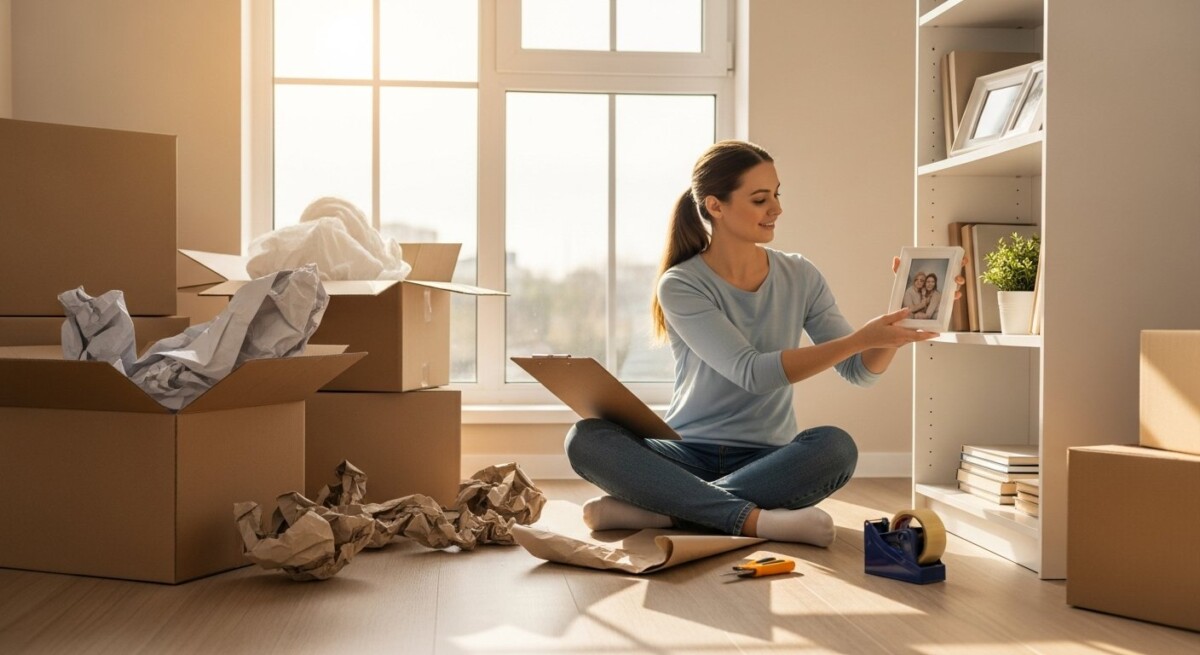
Moving day is over. The truck is empty, the keys are in your hand, and a mountain of boxes fills every room. It is tempting to collapse on the nearest couch and deal with everything tomorrow. But the hours and days immediately after your move set the tone for how quickly you will feel at home. Without a clear plan, unpacking can drag on for weeks, leaving you frustrated and surrounded by chaos. A structured post-move unpacking checklist for settling into your new home turns that overwhelm into a series of manageable steps, helping you transform a house into a home with less stress and more confidence.
Why a Post-Move Unpacking Checklist Matters
Unpacking is not just about opening boxes and placing items on shelves. It is a logistical process that, when done thoughtfully, can save you time, reduce anxiety, and prevent damage to your belongings. Many people make the mistake of unpacking randomly, pulling out kitchen items while the bedroom is still a disaster zone. This approach leads to half-finished rooms and misplaced essentials. A checklist gives you a clear path forward, prioritizing the spaces that matter most first. It also helps you track what you own, ensuring nothing gets lost or forgotten in the shuffle. When you follow a systematic plan, you regain a sense of control during a time that often feels chaotic.
Step 1: Prepare Your Unpacking Area
Before you dive into boxes, set yourself up for success. Clear a central space, such as a living room or dining area, where you can sort items and break down boxes. Gather essential tools: a box cutter or scissors, trash bags for packing waste, markers for labeling, and a notepad for notes. If you have children or pets, create a safe zone for them away from the busy unpacking area. This preparation might seem small, but it prevents interruptions and keeps your workflow smooth. Remember to open windows or run a fan to ventilate the space, as dust and debris from packing materials can accumulate quickly.
Step 2: Prioritize Room-by-Room Unpacking
The key to an efficient unpacking strategy is tackling rooms in order of importance. Start with the spaces you use immediately: the bedroom, bathroom, and kitchen. These are the rooms that directly affect your daily comfort and routine. By focusing on them first, you ensure that you have a place to sleep, a way to shower, and the ability to prepare a meal. Leave less critical areas, such as a guest room or home office, for later in the week. This approach prevents burnout and gives you a sense of accomplishment early on.
Bedroom: Your Sanctuary for Rest
Your bedroom should be the first room you fully unpack. After a long moving day, a comfortable bed is non-negotiable. Start by assembling the bed frame and mattress, then make the bed with fresh linens and pillows. Next, unpack your clothing, hanging items in the closet and folding others into drawers. Place a lamp on the nightstand for soft lighting, and set up a small trash can. Do not worry about decorating or organizing accessories at this stage. The goal is functionality. Once your bedroom feels livable, you can move on to the rest of the house with a rested body and clearer mind.
Bathroom: Immediate Hygiene Needs
The bathroom is another critical space. Unpack a box containing toiletries, towels, a shower curtain, toilet paper, and a first-aid kit. Hang the shower curtain and install the liner if needed. Arrange toiletries on the counter or in a caddy so you can freshen up without digging through boxes. Make sure the toilet is clean and functional, and check that the water heater is working. If you have medications, store them in a cool, dry place. A fully stocked bathroom makes the first morning in your new home feel civilized rather than frantic.
Kitchen: Fuel for the Days Ahead
The kitchen is the heart of the home, but it does not need to be perfect on day one. Focus on the essentials: unpack pots, pans, utensils, and a few plates and bowls. Set up the coffee maker or tea kettle, as caffeine can be a lifesaver during unpacking. Stock the pantry with non-perishable staples like pasta, rice, and canned goods. Wash and put away a few cups and glasses. Leave specialty appliances, fine china, and bulk food items for later. A functional kitchen allows you to prepare simple meals, saving money and energy that would otherwise go to takeout.
Step 3: Manage Boxes and Packing Materials
As you unpack, packing waste will accumulate quickly. Have a system in place to handle it. Break down empty boxes and stack them flat for recycling or reuse. Collect bubble wrap, packing paper, and foam peanuts in a separate bag. If you are environmentally conscious, consider donating clean boxes to local moving groups or recycling centers. Keeping your workspace tidy prevents tripping hazards and makes the process feel less cluttered. It also helps you stay organized, as you can easily see which boxes remain unopened.
Step 4: Set Up Essential Utilities and Services
Unpacking is not just about physical items. You also need to ensure that your new home is fully functional. Confirm that your internet, cable, and phone services are active. Test smoke detectors and carbon monoxide alarms. Locate the circuit breaker and water shut-off valves in case of emergencies. If you have not already done so, set up mail forwarding with the postal service. These tasks are easy to overlook but are vital for safety and daily convenience. Address them early to avoid disruptions later.

Step 5: Create a Comfortable Living Space
Once the essential rooms are functional, shift your focus to creating a comfortable living area. Unpack your sofa, chairs, and coffee table. Set up the television and streaming devices if you have them. Arrange throw pillows and blankets for a cozy feel. This space will be your retreat during the unpacking process, a place where you can relax and recharge. It also serves as a gathering spot for family members, helping everyone feel settled. Do not worry about wall art or decorative accents just yet. Simple comfort is the priority.
Step 6: Tackle Non-Essential Rooms and Storage
With the core rooms complete, you can move on to less critical areas. These might include a home office, guest bedroom, basement, or garage. For each room, sort items by category: books, office supplies, seasonal decorations, tools, and so on. Use clear storage bins for items you do not need frequently, labeling each one clearly. This is a good time to evaluate what you truly need. If you find items you have not used in years, consider donating or selling them. Reducing clutter now will make your new home feel more spacious and organized.
Step 7: Personalize and Decorate Slowly
Once the boxes are empty and everything is in its place, you can begin to make your new home feel like yours. Hang artwork, place family photos on shelves, and arrange plants or decorative objects. But resist the urge to do everything at once. Personalization is a gradual process that happens over weeks or even months. Live in the space first. Notice how light moves through the rooms, where you naturally sit, and what colors make you feel calm. Then make decorating decisions that reflect your lifestyle and taste. This patient approach leads to a home that feels authentic and comfortable, not rushed or impersonal.
Frequently Asked Questions
How long should unpacking take after a move?
Most people complete the majority of unpacking within one to two weeks. However, the timeline depends on the size of your home, the amount of belongings, and your schedule. Focus on essential rooms first, and allow yourself grace for the rest. It is normal to have a few boxes left for a month or more.
What should I do if I feel overwhelmed by unpacking?
Break the process into small, manageable tasks. Set a timer for 30 minutes and unpack one box or focus on one corner of a room. Take breaks, stay hydrated, and ask for help from friends or family. If you are truly struggling, consider hiring professional unpacking services. In our guide on can movers pack for you, we explain how full-service options can reduce your workload significantly.
Should I unpack everything immediately?
No. It is smarter to prioritize daily essentials and leave non-urgent items for later. Rushing to unpack everything can lead to poor organization decisions and burnout. Give yourself permission to take it slow.
How can I reduce waste from packing materials?
Break down boxes for recycling, and save bubble wrap and packing paper for future moves or shipping. Many local community groups accept used moving boxes. You can also repurpose sturdy boxes for storage or crafts.
Your New Home Awaits
Settling into a new home is a journey, not a race. By following a post-move unpacking checklist, you give yourself a roadmap that reduces stress and increases efficiency. Each box you open, each item you place, and each room you complete brings you closer to the comfort and familiarity of home. Remember that it is okay to ask for help, whether from friends, family, or professional movers. For those looking for financial flexibility during the transition, exploring options like auto loan solutions can free up cash for home essentials. Take a deep breath, start with one room, and trust the process. Before you know it, your new house will feel like the home you have always imagined.